
Pet Anxiety Symptoms: The Growing Link Between Stress And Physical Health
Posted: 06/24/2026 | BY: Jenna Bruce | Categories: Behavior , Cat , Dog , Health problems
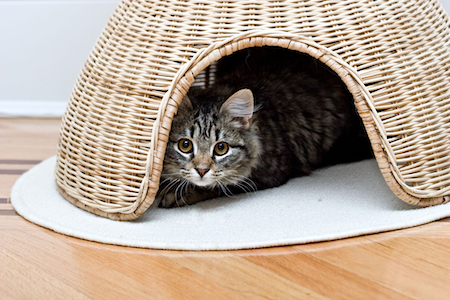
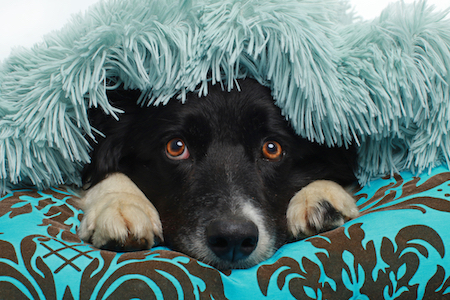
As the Fourth of July approaches, many pet parents are preparing for a familiar challenge: pet anxiety symptoms triggered by fireworks and other loud celebrations. The first firework explodes somewhere down the street and suddenly your dog is wedged between the toilet and the bathtub, panting and refusing to come out. A cat that’s normally chill has disappeared under the bed and has not been seen for hours.
Most pet parents recognize these as pet anxiety symptoms. What surprises many people is that anxiety can affect much more than behavior. Stress can sometimes show up as diarrhea, vomiting, excessive grooming, urinary issues, sleep disruption, and other physical symptoms that seem completely unrelated at first.
Veterinarians are paying closer attention to this connection between emotional and physical health. The relationship is not unique to humans. Pets experience it too, which is why understanding pet anxiety symptoms has become an increasingly important part of overall wellness.

What Pet Anxiety Actually Looks Like
When people think about pet anxiety symptoms, they usually picture the obvious behaviors. Trembling, hiding, barking, pacing, and clinginess are often the first things that come to mind.
Those signs certainly matter, but anxiety does not always announce itself so clearly.
Some pets become quieter rather than more reactive. A normally social dog may seem withdrawn. A cat that usually seeks attention may start spending more time alone. Changes in appetite, disrupted sleep, excessive grooming, and changes in bathroom habits can all be pet anxiety symptoms as well.
Part of the challenge is that these changes often happen gradually. It is easy to assume a pet is simply having an off week or adjusting to a new routine. Over time, however, those small shifts can point to an underlying stress response that deserves attention.
How Stress Affects The Body
When your dog hears a firework explode outside or your cat encounters something that feels threatening, the body releases stress hormones designed to help them react quickly. This response is useful when the threat is temporary.
Problems can develop when the stress keeps happening over and over again.
Separation anxiety, major household changes, frequent travel, conflicts with other pets, unpredictable schedules, and repeated exposure to stressful events can all create ongoing anxiety. Over time, the body’s stress response can begin affecting systems far beyond behavior alone.
That is when pet anxiety symptoms may start showing up in places many pet parents would never think to connect to stress.

Physical Symptoms Linked To Pet Anxiety
This is where things get tricky. Many of the physical symptoms linked to anxiety are the same symptoms that send pet parents searching online late at night, wondering whether they need to schedule a vet appointment first thing in the morning.
Digestive Problems
The digestive system is particularly sensitive to stress.
Some dogs develop diarrhea before boarding stays or family vacations. Others vomit before long car rides or refuse food when visitors arrive. Cats dealing with ongoing stress may develop digestive upset that seems to appear and disappear without any obvious explanation.
When pet anxiety symptoms affect the digestive system, the connection is not always easy to spot because the stomach issue often gets all the attention.
Skin And Coat Issues
Veterinarians frequently see anxiety-related behaviors affecting the skin and coat.
Excessive licking, chewing at paws, overgrooming, and recurring hot spots can sometimes be linked to stress. Some dogs will focus on the same paw so persistently that the fur starts thinning. Some cats groom certain areas so aggressively that patches of hair disappear completely.
Many pet parents understandably focus on treating the skin problem itself without realizing there may be an emotional component contributing to it.
Urinary Symptoms
Cats are particularly known for showing stress through urinary issues.
A move, a new pet, houseguests, construction noise, or changes in routine can sometimes trigger litter box problems or increased urinary frequency. Dogs may also experience accidents in the house during periods of heightened stress.
Because urinary symptoms can also indicate serious medical conditions, veterinary evaluation is always important.
Sleep And Energy Changes
Some pet anxiety symptoms appear during periods that should be restful.
An anxious pet may struggle to settle down, wake frequently during the night, or seem unable to fully relax. Others appear unusually tired because living in a constant state of stress can be physically exhausting.
Changes in energy level are easy to dismiss, especially in older pets, but they can sometimes provide important clues about overall well-being.
When Anxiety Might Actually Be A Medical Problem
The relationship between physical health and anxiety works both ways.
While stress can contribute to physical symptoms, medical conditions can also create behaviors that look like anxiety.
Pain is a common example. A pet experiencing discomfort may become withdrawn, restless, clingy, or reactive. Thyroid disorders, digestive disease, neurological conditions, and cognitive decline can sometimes produce behaviors that resemble pet anxiety symptoms.
This is one reason veterinarians often recommend diagnostic testing when new behavioral changes appear. Before assuming anxiety is the cause, it is important to rule out underlying medical conditions.

What Pet Parents Can Do
Helping a pet manage anxiety is rarely about finding one perfect solution. Small changes often work together to create meaningful improvement.
Creating predictable routines can help many pets feel more secure. Consistent feeding schedules, regular exercise, and designated safe spaces give pets a sense of stability.
Mental enrichment can also make a difference. Puzzle toys, training sessions, scent games, and interactive play help redirect nervous energy into productive activities.
It can also help to look for patterns. Does the vomiting happen before visitors arrive? Does the licking become more intense when schedules change? Does your cat stop eating when you travel? Identifying these connections can help you and your veterinarian understand what may be contributing to your pet’s stress.
For known triggers like fireworks, thunderstorms, travel, or visitors, preparation often helps more than waiting for a problem to develop. Setting up a quiet space, using calming strategies recommended by your veterinarian, and planning ahead can reduce stress before it escalates.
Most importantly, do not hesitate to involve your veterinarian. Behavioral concerns are health concerns, and there are often more options available than many pet parents realize.
Where Pet Insurance Fits Into The Conversation
Pet anxiety symptoms do not always stay confined to behavior. When physical symptoms develop, finding answers often requires veterinary testing.
A dog with chronic diarrhea may need bloodwork, fecal testing, imaging, or multiple veterinary visits before anxiety becomes part of the conversation. A cat with urinary symptoms may need testing to rule out infections, crystals, inflammation, or other medical conditions before stress is considered a contributing factor.
Those diagnostic costs can add up quickly.
Some pet insurance providers also offer coverage for certain behavioral treatments, although coverage varies by policy. That makes it important to understand what is included before a health issue arises.
As veterinarians continue learning more about the connection between emotional and physical health, pet parents may find themselves pursuing more comprehensive evaluations when symptoms appear. Insurance can help support those decisions by reducing some of the financial pressure that often accompanies diagnostic testing and ongoing care.
Closing: Listening To What Your Pet Is Telling You
Pet anxiety symptoms are not always limited to trembling, hiding, or pacing. Sometimes they show up through digestive issues, skin problems, changes in sleep, or other physical symptoms that can be easy to overlook.
The dog hiding in the bathroom during fireworks may be dealing with more than a single stressful night. Sometimes the body’s response to anxiety lingers long after the noise stops.
Paying attention to those changes and addressing them early can help protect both your pet’s emotional well-being and physical health. If you are exploring ways to prepare for unexpected veterinary expenses, compare free quotes from leading pet insurance providers to see what coverage options may be available for your pet before you need them.
Thinking of insuring your pet?
Get Quotes & Compare
References:
- Sacoor C, Marugg JD, Lima NR, Empadinhas N, Montezinho L. Gut-Brain Axis Impact on Canine Anxiety Disorders: New Challenges for Behavioral Veterinary Medicine. Vet Med Int. 2024 Jan 23;2024:2856759. doi: 10.1155/2024/2856759. PMID: 38292207; PMCID: PMC10827376.
- https://www.sciencedirect.com/science/article/abs/pii/S0168159110001243
- https://www.vin.com/apputil/content/defaultadv1.aspx?pId=12886&catId=57087&id=7054740&ind=16&objTypeID=17&print=1
Disclaimer
The information contained on this blog is intended for informational and educational purposes only and should not be construed as medical advice. It is not a substitute for professional veterinary care. Always consult with your veterinarian before making any changes to your pet's health care or treatment plan.
The authors of this blog are not veterinarians and do not claim to be experts in pet health. The information provided here is based on our own experiences and research, as well as information from reputable sources. However, we cannot guarantee the accuracy or completeness of this information.
We encourage you to do your own research and consult with your veterinarian before making any decisions about your pet's health.
Charitable Giving
With every pet insurance policy we generate, we do our bit to help less fortunate animals across Canada and the U.S. by making a donation to one of our chosen animal charities or rescue centres.
Compare top pet insurance providers plans.
Popular Articles
-
![Dog Personalities | 20 Dog Breeds & What Personality You Can Expect]() Dog Personalities | 20 Dog Breeds & What Personality You Can Expect
Dog Personalities | 20 Dog Breeds & What Personality You Can Expect
-
![Pitbull Weight and Growth Chart: Male, Female, and Puppy Growing Patterns]() Pitbull Weight and Growth Chart: Male, Female, and Puppy Growing Patterns
Pitbull Weight and Growth Chart: Male, Female, and Puppy Growing Patterns
-
![Beagle Weight and Growth Chart]() Beagle Weight and Growth Chart
Beagle Weight and Growth Chart
-
![Labrador Retriever Weight and Growth Chart: Male, Female and Puppy Growing Patterns]() Labrador Retriever Weight and Growth Chart: Male, Female and Puppy Growing Patterns
Labrador Retriever Weight and Growth Chart: Male, Female and Puppy Growing Patterns
-
![Shih Tzu Growth and Weight Chart]() Shih Tzu Growth and Weight Chart
Shih Tzu Growth and Weight Chart
-
![Cane Corso Weight and Growth Chart]() Cane Corso Weight and Growth Chart
Cane Corso Weight and Growth Chart




Enter your dog’s age in years and months to calculate their age equivalent to human years.
Calculate your dog’s ageEnter your cat’s age in years and months to calculate their age equivalent to human years.
Calculate your cat’s age