
Veterinary Diagnostic Tests: Why Your Vet Recommends Them And Why They’re Worth It
Posted: 07/30/2026 | BY: Jenna Bruce | Categories: Cat , Dog , Health problems , Pet care
Veterinary Diagnostic Tests: Why Your Vet Recommends Them And Why They’re Worth It
If you’ve ever taken your pet to the veterinarian expecting a simple answer, only to hear that bloodwork, X-rays, or other veterinary diagnostic tests are recommended, you’re not alone. Many pet parents wonder why so many tests are needed before treatment begins. After all, if the symptoms seem obvious, why not just prescribe medication and see if it works?
The reality is that many illnesses look surprisingly similar on the surface. Vomiting, coughing, limping, loss of appetite, and lethargy can all have dozens of possible causes. Veterinary diagnostic tests help veterinarians move beyond educated guesses so they can identify the real problem and recommend the most effective treatment for your pet.

Why A Physical Exam is Only The First Step
A physical exam provides your veterinarian with valuable information, but it’s only one piece of the puzzle. By checking your pet’s temperature, listening to their heart and lungs, examining their eyes and ears, and gently feeling their abdomen and joints, a veterinarian can often narrow down the possibilities.
What they can’t always do is see what’s happening inside the body.
Many diseases produce nearly identical symptoms, especially in the early stages. A dog that’s vomiting could simply have eaten something that didn’t agree with them. That same dog could also have pancreatitis, a stomach blockage, kidney disease, or another serious condition that requires a completely different treatment.
Different Problems Can Share the Same Symptoms
Some of the most common symptoms veterinarians see include:
- Vomiting
- Diarrhea
- Coughing
- Limping
- Loss of appetite
- Lethargy
While these symptoms may seem straightforward, each one can be linked to a wide range of illnesses. Veterinary diagnostic tests help narrow those possibilities and allow treatment to begin with greater confidence.
What are Veterinary Diagnostic Tests?
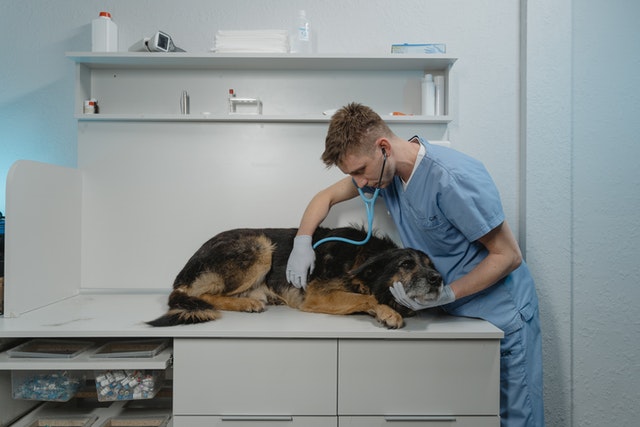
Veterinary diagnostic tests are tools that help veterinarians gather information they simply can’t obtain during a physical exam alone. Instead of treating symptoms based on assumptions, these tests provide objective evidence about what’s happening inside your pet’s body.
Sometimes only one test is needed. In other cases, several tests work together to build a complete picture.
Common Veterinary Diagnostic Tests
| Diagnostic Test | What It Can Help Detect |
| Bloodwork | Infection, anemia, diabetes, dehydration, liver and kidney disease |
| Urinalysis | Urinary tract infections, kidney disease, diabetes, bladder stones |
| X-rays | Broken bones, swallowed objects, pneumonia, arthritis |
| Ultrasound | Organ disease, bladder issues, abdominal abnormalities |
| Cytology | Ear infections, skin infections, lumps and bumps |
| Fecal Exam | Intestinal parasites |
Each test answers a different question, allowing your veterinarian to narrow the list of possible causes and develop an appropriate treatment plan.
How Each Test Helps Your Veterinarian
One of the biggest misconceptions about veterinary diagnostic tests is that they’re all looking for the same thing. In reality, each one provides a different piece of information.
Bloodwork
Bloodwork is one of the most common diagnostic tools because it provides a broad overview of your pet’s health. A complete blood count can identify signs of infection, inflammation, or anemia, while a chemistry panel evaluates how well organs like the liver and kidneys are functioning. Bloodwork can also reveal dehydration, electrolyte imbalances, and diseases such as diabetes.
Many serious illnesses begin with changes that aren’t visible from the outside. Bloodwork often detects those changes long before they become obvious.

Urinalysis
A urine sample can reveal much more than whether your pet has a urinary tract infection. Urinalysis helps evaluate kidney function, hydration status, bladder health, diabetes, and the presence of crystals that could lead to bladder stones. It’s frequently recommended alongside bloodwork because the two tests complement one another.
X-Rays
X-rays allow veterinarians to see structures hidden beneath the skin.
They’re commonly used to diagnose:
- Broken bones
- Arthritis
- Pneumonia
- Swallowed foreign objects
- Certain types of tumors
For an active dog that suddenly starts limping or a curious puppy that may have swallowed a toy, X-rays can quickly provide valuable answers.
Ultrasound
While X-rays are excellent for evaluating bones and many structures within the chest and abdomen, ultrasound offers a closer look at soft tissues and internal organs. It allows veterinarians to examine the liver, kidneys, spleen, bladder, intestines, and other organs in real time. Ultrasound is especially useful when investigating abdominal pain, unexplained vomiting, or suspected masses.
Cytology
Cytology involves examining cells under a microscope. Veterinarians commonly use it to evaluate skin infections, ear infections, and lumps. Rather than guessing whether a bump is filled with fat, inflammation, or abnormal cells, cytology often provides a clearer answer within minutes.
Can Pet Parents Say No To Diagnostic Tests?
The cost of veterinary care is a real concern for many families, and it’s okay to have questions about recommended testing. If a proposed diagnostic plan feels overwhelming, let your veterinarian know. They can often explain which tests are most important, what information each one provides, and whether testing can be prioritized in stages based on your pet’s condition and your budget.
Most veterinarians understand that every family’s financial situation is different. Their goal is to gather enough information to provide the safest and most effective care possible while working with you to develop a practical plan.
Open communication almost always leads to better decisions than simply declining testing without understanding why it’s being recommended.
Can Veterinary Diagnostic Tests Actually Save Money?
At first glance, additional testing may seem like an unnecessary expense. In many situations, however, veterinary diagnostic tests can actually reduce overall costs.
Finding the correct diagnosis early often prevents repeated office visits, ineffective medications, and worsening illness that becomes far more expensive to treat later.
For example, identifying kidney disease in its early stages allows treatment to begin before permanent damage progresses. Detecting an intestinal blockage quickly may prevent life-threatening complications that require more extensive surgery and hospitalization.
Sometimes spending a little more upfront leads to faster answers, better outcomes, and lower overall veterinary expenses.
Where Pet Insurance Fits Into The Picture
Diagnostic testing is one of the biggest reasons a routine veterinary visit can become unexpectedly expensive. A simple exam may quickly expand to include bloodwork, X-rays, ultrasound, or other veterinary diagnostic tests needed to determine what’s making your pet sick.
Depending on your policy and the condition being treated, many accident and illness plans help cover eligible diagnostic testing, including bloodwork, imaging, urinalysis, and other medically necessary procedures. That financial support can make it easier to move forward with your veterinarian’s recommendations without delaying important answers because of cost concerns.
As veterinary medicine continues to advance, diagnostic testing is becoming an increasingly important part of providing accurate, timely care. Having pet insurance in place before your pet develops an illness can help reduce financial stress when those tests become necessary.
Thinking of insuring your pet?
Get Quotes & Compare
Final Thoughts
Veterinary diagnostic tests aren’t ordered to make a veterinary visit more complicated or more expensive. They’re recommended because they give veterinarians the information they need to diagnose illness accurately, rule out serious conditions, and choose the treatment most likely to help your pet recover.
While no pet parent wants to hear that additional testing is needed, those answers often provide peace of mind and can make all the difference in your pet’s health.
If you’re looking for a way to prepare for unexpected veterinary expenses, compare free quotes from leading pet insurance providers today. Having coverage before illness or injury strikes can help you focus on what matters most: getting your pet the care they need when they need it.
Thinking of insuring your pet?
Get Quotes & Compare
References:
- https://www.merckvetmanual.com/special-pet-topics/diagnostic-tests-and-imaging/veterinary-medical-tests
- https://vmc.vet.osu.edu/services/clinical-diagnostic-labs
- https://www.ellicottvets.com/top-5-annual-pet-diagnostic-tests/
- https://bluegrassvet.net/what-is-the-importance-of-veterinary-diagnostics/
Frequently Asked Questions
Why does my vet recommend diagnostic tests for my pet?
Veterinarians recommend diagnostic tests to accurately identify the underlying cause of your pet's symptoms. Many illnesses present similar signs, and tests like bloodwork or X-rays provide objective evidence that helps in determining the right treatment.
What types of diagnostic tests do vets commonly use?
Common veterinary diagnostic tests include bloodwork, urinalysis, X-rays, ultrasounds, cytology, and fecal exams. Each test serves a different purpose, helping to detect various health issues in pets.
Can I refuse diagnostic tests for my pet?
Yes, you can discuss your concerns with your veterinarian if you feel overwhelmed by recommended tests. Open communication can help you understand the importance of each test and prioritize them based on your pet's condition and your budget.
How can diagnostic tests save me money in the long run?
While diagnostic tests may seem costly upfront, they can actually save money by providing early and accurate diagnoses. This can prevent the need for repeated visits, ineffective treatments, and more expensive interventions later on.
What symptoms might indicate my pet needs diagnostic testing?
Symptoms such as vomiting, diarrhea, coughing, limping, loss of appetite, or lethargy can indicate that your pet may need diagnostic testing. These signs can be linked to a wide range of illnesses that require further investigation.
How does pet insurance help with the costs of veterinary diagnostic tests?
Pet insurance can help cover eligible diagnostic testing costs, including bloodwork and imaging, depending on your policy. This financial support can ease the burden of unexpected expenses and allow you to proceed with necessary tests recommended by your veterinarian. Compare free quotes to see your actual number.
Disclaimer
The information contained on this blog is intended for informational and educational purposes only and should not be construed as medical advice. It is not a substitute for professional veterinary care. Always consult with your veterinarian before making any changes to your pet's health care or treatment plan.
The authors of this blog are not veterinarians and do not claim to be experts in pet health. The information provided here is based on our own experiences and research, as well as information from reputable sources. However, we cannot guarantee the accuracy or completeness of this information.
We encourage you to do your own research and consult with your veterinarian before making any decisions about your pet's health.
Charitable Giving
With every pet insurance policy we generate, we do our bit to help less fortunate animals across Canada and the U.S. by making a donation to one of our chosen animal charities or rescue centres.

Compare top pet insurance providers plans.
Popular Articles
-
![Dog Personalities | 20 Dog Breeds & What Personality You Can Expect]() Dog Personalities | 20 Dog Breeds & What Personality You Can Expect
Dog Personalities | 20 Dog Breeds & What Personality You Can Expect
-
![Pitbull Weight and Growth Chart: Male, Female, and Puppy Growing Patterns]() Pitbull Weight and Growth Chart: Male, Female, and Puppy Growing Patterns
Pitbull Weight and Growth Chart: Male, Female, and Puppy Growing Patterns
-
![Beagle Weight and Growth Chart]() Beagle Weight and Growth Chart
Beagle Weight and Growth Chart
-
![Labrador Retriever Weight and Growth Chart: Male, Female and Puppy Growing Patterns]() Labrador Retriever Weight and Growth Chart: Male, Female and Puppy Growing Patterns
Labrador Retriever Weight and Growth Chart: Male, Female and Puppy Growing Patterns
-
![Shih Tzu Growth and Weight Chart]() Shih Tzu Growth and Weight Chart
Shih Tzu Growth and Weight Chart
-
![Cane Corso Weight and Growth Chart]() Cane Corso Weight and Growth Chart
Cane Corso Weight and Growth Chart





Enter your dog’s age in years and months to calculate their age equivalent to human years.
Calculate your dog’s ageEnter your cat’s age in years and months to calculate their age equivalent to human years.
Calculate your cat’s age