
Dog Ear Infections: Why Your Dog Keeps Getting Them And How To Break The Cycle
Posted: 08/03/2026 | BY: Jenna Bruce | Categories: Dog , Ear infection
If your dog has had one ear infection after another, you’re probably asking yourself the same question many pet parents do: Why do these dog ear infections keep coming back? You finish the medication, your dog’s ears seem better, and then a few weeks or months later the head shaking, scratching, and unpleasant odor return. While recurring dog ear infections can be frustrating, they’re often a sign that something else is going on beneath the surface.
The good news is that repeat ear infections are rarely just bad luck. In many cases, identifying the underlying cause is the key to helping your dog find long-term relief instead of temporary improvement.
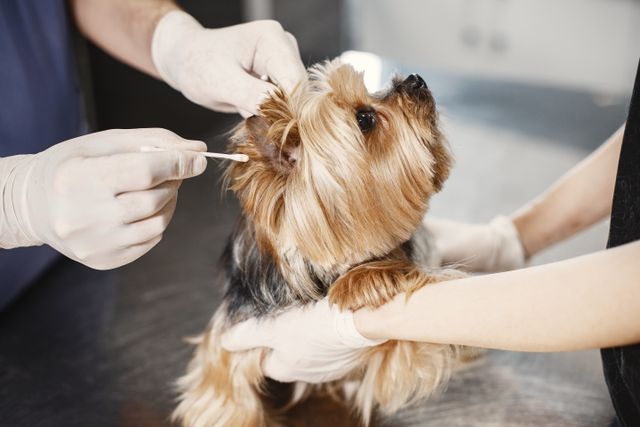
Why Dog Ear Infections Keep Coming Back
An ear infection is often the result of another problem rather than the problem itself. Medication can successfully clear the yeast or bacteria causing the infection, but if the underlying issue isn’t addressed, the infection is likely to return.
Think of it like pulling weeds without removing the roots. Everything may look fine for a while, but before long the same problem appears again.
That’s why veterinarians don’t just focus on treating the infection. They also try to determine what created the ideal environment for that infection in the first place.
Allergies Are One Of The Most Common Causes
One of the biggest reasons dogs develop recurring ear infections is allergies. In fact, veterinarians frequently see chronic dog ear infections in pets with environmental or food allergies.
When a dog has allergies, inflammation develops inside the ear canal. That warm, irritated environment becomes the perfect place for yeast and bacteria to multiply.
Environmental Allergies
Many dogs react to substances they encounter every day, including:
- Pollen
- Grass
- Dust mites
- Mold
- Weeds
Just like seasonal allergies can make people miserable, environmental allergies can leave dogs dealing with itchy ears and inflamed skin.
Food Allergies
Although less common than environmental allergies, food sensitivities can also contribute to recurring ear infections.
Some dogs experience chronic inflammation year-round because of an ingredient in their diet, making ear infections one of several recurring symptoms.
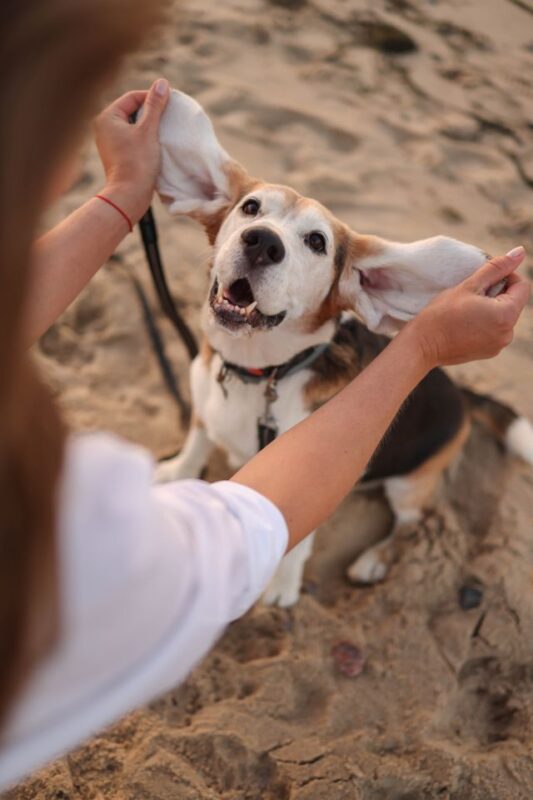
Signs Allergies May Be Contributing
If your dog experiences any of these along with recurring ear infections, allergies may be playing a role:
- Constant paw licking
- Itchy skin
- Face rubbing
- Frequent scratching
- Seasonal flare-ups
- Recurring hot spots
Treating the infection without managing the allergy often means the cycle simply repeats itself.
Yeast And Bacteria Thrive In The Right Conditions
Healthy dogs naturally have small amounts of yeast and bacteria living in their ears. Problems develop when those microorganisms multiply beyond normal levels.
Yeast Infections
Yeast loves warm, moist environments.
Common signs include:
- Dark brown discharge
- A strong, musty odor
- Intense itching
- Head shaking
Yeast infections are especially common in dogs with allergies because inflammation changes the environment inside the ear canal.
Bacterial Infections
Bacterial ear infections often cause:
- Redness
- Swelling
- Yellow or green discharge
- Pain when the ear is touched
Some dogs develop infections involving both bacteria and yeast, which may require different medications to resolve completely.
Moisture Can Create The Perfect Environment
Water trapped inside the ear can create ideal conditions for yeast and bacteria to grow.
Dogs that swim frequently, enjoy lake days, or receive regular baths may be more likely to develop ear infections if moisture isn’t removed afterward.
Even humid weather can contribute, particularly in dogs with floppy ears that trap warmth and reduce airflow.
Drying your dog’s ears thoroughly after swimming or bathing and using veterinarian-approved ear cleaners when recommended can help reduce the risk of future infections.
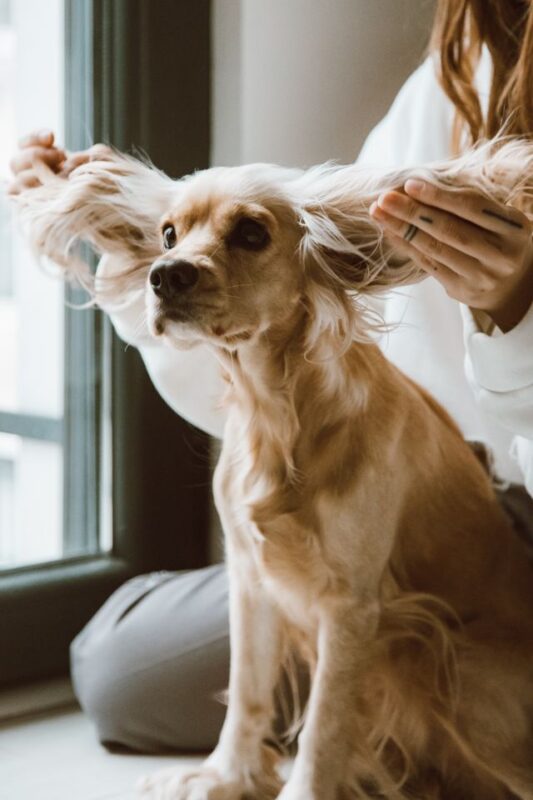
Your Dog’s Ear Anatomy May Be Part Of The Problem
Some dogs are simply more prone to dog ear infections because of the shape of their ears.
Floppy Ears
Breeds such as:
- Cocker Spaniels
- Basset Hounds
- Labrador Retrievers
have ears that cover the ear canal, reducing airflow and trapping moisture.
Hairy Ear Canals
Breeds like Poodles and Schnauzers often grow excess hair inside their ear canals.
This can trap debris and moisture, creating an environment where infections are more likely to develop.
Narrow Ear Canals
Some dogs naturally have narrow ear canals, while others develop narrowing after years of chronic inflammation.
When airflow is reduced, infections become increasingly difficult to prevent and treat.
Why Your Veterinarian May Recommend Diagnostic Tests
If your dog keeps getting ear infections, your veterinarian may recommend more than another prescription.
Diagnostic testing helps determine exactly what’s causing the problem.
An ear cytology allows the veterinarian to examine cells under a microscope to identify whether yeast, bacteria, or both are present. In stubborn or severe cases, a culture may be recommended to determine which bacteria are involved and which antibiotics are most likely to be effective.
If allergies are suspected, your veterinarian may also discuss additional testing or long-term allergy management.
These recommendations aren’t about ordering unnecessary procedures. They’re designed to identify the root cause so treatment has a better chance of lasting.
The Cycle Of Repeat Veterinary Visits
Many pet parents become stuck in the same frustrating pattern.
The infection improves.
Medication is finished.
Everything seems normal.
Then the symptoms slowly return.
This cycle often continues because the infection was treated, but the underlying cause remained.
A dog with uncontrolled allergies may continue developing inflammation that allows yeast or bacteria to return. A dog that swims frequently without proper ear care may repeatedly create the same moist environment that encourages infection.
Breaking the cycle usually requires addressing both the infection and whatever is allowing it to keep coming back.
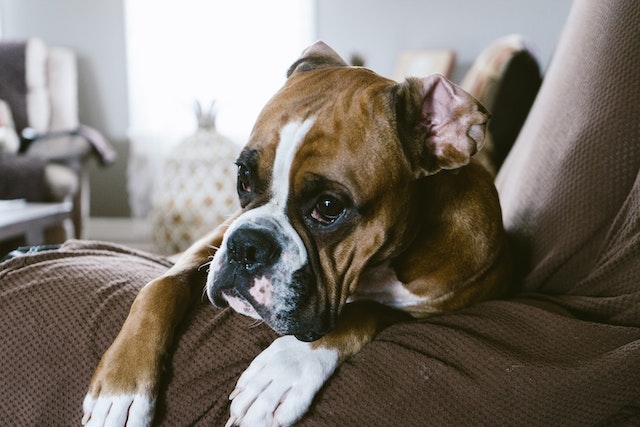
How Pet Parents Can Help Prevent Dog Ear Infections
While not every ear infection can be prevented, there are several steps that may reduce the risk of recurrence.
Helpful Prevention Tips
- Check your dog’s ears regularly for redness, odor, or discharge.
- Dry ears thoroughly after swimming or bathing.
- Use only veterinarian-approved ear cleaning products.
- Follow medication instructions exactly as prescribed.
- Attend recommended follow-up appointments.
- Work with your veterinarian to manage allergies if they’re contributing to the problem.
The earlier changes are noticed, the easier many ear infections are to treat.
Where Pet Insurance Fits Into The Picture
Recurring dog ear infections often involve much more than a single office visit. Over time, costs can add up through repeat examinations, ear cytology, prescription medications, cultures, allergy testing, and long-term management.
Depending on your policy and when coverage begins, many accident and illness plans may help cover eligible diagnostics and treatments for new ear infections and the underlying conditions contributing to them. Having pet insurance in place before chronic problems develop can provide valuable financial support if your dog needs ongoing veterinary care.
Find & Compare the Top Pet Insurance Companies
Get Quotes for Your Dog
Final Thoughts
Dog ear infections are common, but recurring infections usually have an underlying cause that deserves attention. Whether the issue is allergies, excess moisture, bacteria, yeast, or your dog’s ear anatomy, identifying the root problem is often the first step toward lasting relief.
If your dog seems caught in a cycle of repeat ear infections, don’t settle for temporary fixes. Work with your veterinarian to uncover what’s driving the problem and develop a long-term treatment plan.
And if you’re thinking ahead about future veterinary expenses, now is a great time to compare free quotes from leading pet insurance providers. Having the right coverage in place before unexpected health issues arise can help you focus on your dog’s care instead of worrying about the cost.
Find & Compare the Top Pet Insurance Companies
Get Quotes for Your Dog
References:
- https://www.petmd.com/dog/conditions/dog-ear-infections
- https://www.merckvetmanual.com/dog-owners/ear-disorders-of-dogs/ear-infections-and-otitis-externa-in-dogs
- https://advancedvmc.net/dont-let-ear-itation-get-the-best-of-your-pup-a-guide-to-dog-ear-infections/
Frequently Asked Questions
Why does my dog keep getting ear infections?
Recurring ear infections in dogs often indicate an underlying issue, such as allergies or anatomical factors. Treating the infection without addressing the root cause can lead to repeated problems.
What are the signs of a dog ear infection?
Common signs of ear infections in dogs include head shaking, scratching, a strong odor, redness, and discharge from the ear. Yeast infections may also cause intense itching and dark brown discharge.
How can I help prevent my dog from getting ear infections?
To help prevent ear infections, regularly check your dog's ears for signs of redness or discharge, dry their ears thoroughly after swimming or bathing, and use veterinarian-approved ear cleaning products.
What role do allergies play in dog ear infections?
Allergies are a common cause of recurring ear infections in dogs. They can lead to inflammation in the ear canal, creating an environment that allows yeast and bacteria to thrive.
When should I take my dog to the vet for ear infections?
If your dog is experiencing repeated ear infections or shows signs such as persistent scratching, odor, or discharge, it's important to consult your veterinarian. They can help identify the underlying cause and recommend appropriate treatment.
How can pet insurance help with my dog's recurring ear infections?
Pet insurance can help cover the costs associated with diagnosing and treating recurring ear infections, including veterinary examinations, diagnostic tests, and medications. Having coverage in place before chronic issues arise can provide financial support for ongoing care. Compare free quotes to see your actual number.
Disclaimer
The information contained on this blog is intended for informational and educational purposes only and should not be construed as medical advice. It is not a substitute for professional veterinary care. Always consult with your veterinarian before making any changes to your pet's health care or treatment plan.
The authors of this blog are not veterinarians and do not claim to be experts in pet health. The information provided here is based on our own experiences and research, as well as information from reputable sources. However, we cannot guarantee the accuracy or completeness of this information.
We encourage you to do your own research and consult with your veterinarian before making any decisions about your pet's health.
Charitable Giving
With every pet insurance policy we generate, we do our bit to help less fortunate animals across Canada and the U.S. by making a donation to one of our chosen animal charities or rescue centres.
Compare top pet insurance providers plans.
Popular Articles
-
![Dog Personalities | 20 Dog Breeds & What Personality You Can Expect]() Dog Personalities | 20 Dog Breeds & What Personality You Can Expect
Dog Personalities | 20 Dog Breeds & What Personality You Can Expect
-
![Pitbull Weight and Growth Chart: Male, Female, and Puppy Growing Patterns]() Pitbull Weight and Growth Chart: Male, Female, and Puppy Growing Patterns
Pitbull Weight and Growth Chart: Male, Female, and Puppy Growing Patterns
-
![Beagle Weight and Growth Chart]() Beagle Weight and Growth Chart
Beagle Weight and Growth Chart
-
![Labrador Retriever Weight and Growth Chart: Male, Female and Puppy Growing Patterns]() Labrador Retriever Weight and Growth Chart: Male, Female and Puppy Growing Patterns
Labrador Retriever Weight and Growth Chart: Male, Female and Puppy Growing Patterns
-
![Shih Tzu Growth and Weight Chart]() Shih Tzu Growth and Weight Chart
Shih Tzu Growth and Weight Chart
-
![Cane Corso Weight and Growth Chart]() Cane Corso Weight and Growth Chart
Cane Corso Weight and Growth Chart


Enter your dog’s age in years and months to calculate their age equivalent to human years.
Calculate your dog’s ageEnter your cat’s age in years and months to calculate their age equivalent to human years.
Calculate your cat’s age