
What Actually Happens During an Emergency Vet Visit?
Posted: 08/12/2026 | BY: Jenna Bruce | Categories: Cat , Dog , Health problems , Pet care
An emergency vet visit is something no pet parent wants to experience, but when your dog suddenly can’t stop vomiting, your cat is struggling to breathe, or your pet has been injured, there isn’t much time to prepare. You grab your keys, get your pet into the car, and head to the nearest emergency hospital hoping someone can tell you what’s wrong.
Once you arrive, though, the experience can feel very different from a regular veterinary appointment. There may be a crowded waiting room, pets arriving after you who are seen first, and recommendations for tests you’ve never heard of. On top of worrying about your pet, you’re probably wondering what everything is going to cost.
Knowing what happens during an emergency vet visit can remove some of that uncertainty and help you understand what the veterinary team is doing at each stage.
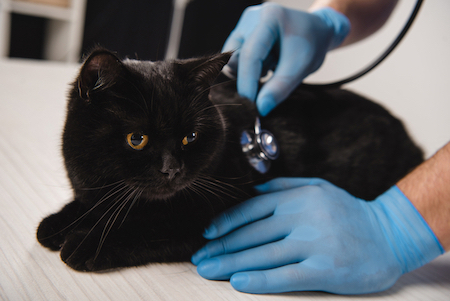
Step 1: Checking In At The Emergency Vet
The first few minutes are usually about gathering information quickly. While you’ll likely complete some paperwork, the veterinary team will also want to know why you’re there and whether your pet needs immediate attention.
What You’ll Be Asked
Be prepared to share information such as:
- What symptoms you’re seeing
- When the symptoms started
- Any existing medical conditions
- Medications your pet currently takes
- Recent injuries
- Possible exposure to toxins
- Anything unusual your pet may have eaten
If the emergency hospital isn’t affiliated with your regular veterinarian, having access to medication names or recent medical records can be helpful. Don’t worry if you don’t have everything with you. Give the team as much information as you can.
Step 2: Triage Determines Who Gets Seen First
One of the biggest differences between an emergency vet visit and a regular appointment is that patients generally aren’t seen in the order they arrive. Emergency hospitals use triage, which means the pets with the most urgent medical needs are treated first.
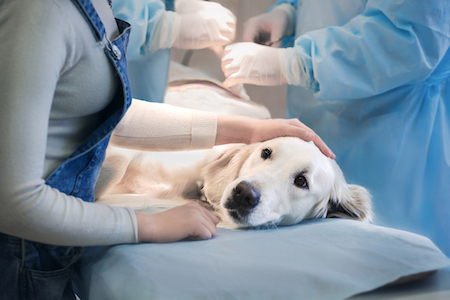
What Happens During Triage
A veterinary professional may quickly assess your pet’s:
- Breathing
- Heart rate
- Gum color
- Temperature
- Pain level
- Alertness
- Signs of bleeding or trauma
If another pet arrives after yours and immediately goes into the treatment area, it doesn’t mean your pet has been forgotten. That animal may be experiencing a life-threatening emergency that requires immediate intervention.
Waiting can certainly be frustrating when you’re worried, but it can also mean the veterinary team believes your pet is currently stable enough to wait safely.
Step 3: The Veterinarian Examines Your Pet
Once your pet is seen, the veterinarian will perform a more complete physical examination and ask additional questions about what happened. Sometimes the cause of the problem becomes clearer during this examination. Other times, the symptoms could point to several very different conditions.
The Same Symptom Can Mean Different Things
Take vomiting as an example.
A dog might be vomiting because they ate something that upset their stomach. But vomiting can also be caused by pancreatitis, kidney disease, toxin exposure, or an intestinal blockage.
Those conditions require very different treatments, which is why your veterinarian may need more information before deciding what to do next.
Step 4: Diagnostic Testing May Be Recommended
This is often the point when an emergency vet visit starts to become more expensive, and it’s also where pet parents sometimes wonder why so many tests are necessary.
Diagnostics help your veterinarian look beyond the symptoms and figure out what’s happening inside your pet’s body.
Common Emergency Diagnostic Tests
| Diagnostic Test | What It Can Help Evaluate |
| Bloodwork | Organ function, infection, anemia, dehydration and more |
| X-rays | Fractures, swallowed objects and internal abnormalities |
| Ultrasound | Organs, soft tissues and abdominal problems |
| Urinalysis | Kidney, bladder and urinary health |
Your pet may only need one of these tests, or several may be recommended together. Each provides different information, and the results can help the veterinarian rule conditions in or out before starting treatment.
Step 5: You’ll Discuss A Treatment Plan
Once the veterinary team has enough information, the veterinarian will explain what they believe is happening and what they recommend doing next. In many cases, you’ll also receive a cost estimate before major treatment begins.
What An Estimate May Include
Depending on your pet’s condition, the estimate could include:
- Additional diagnostic testing
- Medications
- IV fluids
- Procedures
- Surgery
- Monitoring
- Hospitalization
Don’t be afraid to ask questions about the estimate. If you’re worried about cost, say so. The veterinary team can explain which parts of the plan are most urgent and whether there are different options available.
Keep in mind that an estimate can sometimes change. If testing uncovers another problem or your pet’s condition changes, additional care may become necessary.
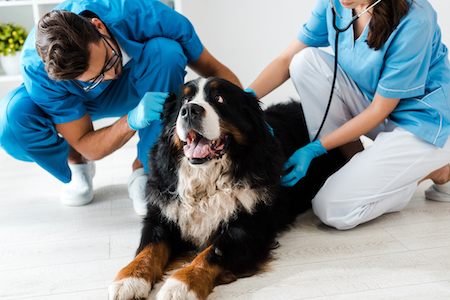
Step 6: Treatment Begins
Treatment during an emergency vet visit depends entirely on what’s happening with your pet. Some pets need medication, fluids, and a few hours of observation before they’re ready to go home. Others require immediate intervention.
Common Emergency Treatments
Treatment may include:
- IV fluids
- Pain medication
- Anti-nausea medication
- Oxygen
- Wound care
- Antibiotics
- Emergency surgery
In serious cases, stabilization may begin before the veterinary team has a final diagnosis. If a pet is struggling to breathe, bleeding heavily, or experiencing shock, the immediate priority is getting them stable enough for additional testing and treatment.
Step 7: Your Pet May Need To Stay In The Hospital
Not every emergency vet visit ends with your pet coming home that same day. Sometimes the safest option is hospitalization so your pet can receive treatment and be monitored overnight or for several days.
What Happens During Hospitalization
Depending on the condition, your pet may receive:
- Continuous monitoring
- IV fluids
- IV medications
- Oxygen therapy
- Pain management
- Repeat bloodwork
- Additional imaging
This level of care is one reason emergency veterinary bills can become expensive. Emergency hospitals need trained veterinary professionals available around the clock, along with specialized equipment, medications, laboratory services, and monitoring capabilities.
A hospitalized pet may require hands-on care throughout the night, particularly if their condition is unstable.

Step 8: Discharge And Going Home
Eventually, you hear the words you’ve been hoping for: your pet can go home. Before you leave, the veterinary team should provide instructions explaining what happens next.
Make Sure You Understand
Ask about:
- Medications and when to give them
- Feeding instructions
- Activity restrictions
- Symptoms you should monitor
- When to see your regular veterinarian
- Signs that mean you should return to the emergency hospital
After several stressful hours, it’s completely normal if you don’t absorb everything the first time. Ask the veterinary team to explain anything that isn’t clear, and keep your written discharge instructions somewhere easy to find.
Why An Emergency Vet Visit Can Get Expensive Quickly
An emergency bill isn’t simply the cost of an examination. Depending on what your pet needs, one visit can involve an emergency exam, bloodwork, imaging, medications, procedures, specialist care, surgery, hospitalization, and continuous monitoring.
And unlike a routine veterinary appointment, many of those things may need to happen within a few hours. Understanding what goes into emergency care doesn’t make the bill any easier to receive, but it can help explain why the cost can climb so quickly.
Where Pet Insurance Fits Into An Emergency Vet Visit
Nobody wants to be standing in an emergency hospital trying to make medical decisions while also worrying about how much those decisions will cost.
Depending on the policy, accident and illness pet insurance may help cover eligible expenses associated with an emergency vet visit, including diagnostic testing, treatment, surgery, hospitalization, and prescription medications.
Coverage varies by provider and policy, and pre-existing conditions are generally excluded. That’s one reason pet insurance is worth considering while your pet is healthy, rather than waiting until an emergency happens.
Thinking of insuring your pet?
Get Quotes & Compare
Knowing What To Expect Can Make An Emergency Less Scary
An emergency vet visit will probably never feel routine, especially when you’re worried about a pet you love. But understanding what happens from the moment you walk through the door can make the experience a little less confusing.
Triage determines who needs immediate help, diagnostics give your veterinarian the information needed to make treatment decisions, and hospitalization provides around-the-clock care when a pet isn’t ready to go home. Every stage has the same goal: figuring out what’s wrong and getting your pet safely on the road to recovery.
If you’re thinking about how you would handle an unexpected veterinary emergency, you may want to explore your pet insurance options before you need them. Comparing free quotes from leading pet insurance providers can help you see what’s available and find coverage that fits both your pet’s needs and your budget.
Thinking of insuring your pet?
Get Quotes & Compare
References:
- https://veterinary.rossu.edu/about/blog/what-emergency-veterinarians-do
- https://altaanimalhospitalclovisca.com/signs-pet-needs-emergency-vet-care/
- https://www.aspca.org/pet-care/general-pet-care/emergency-care-your-pet
- https://www.vet.cornell.edu/hospitals/services/emergency-and-critical-care-0
Frequently Asked Questions
What should I expect when I arrive at the emergency vet?
When you arrive at the emergency vet, you'll check in and provide information about your pet's symptoms, medical history, and any medications they are taking. The veterinary team will quickly assess your pet's condition to determine if they need immediate attention.
How does triage work at an emergency vet?
Triage at an emergency vet means that pets are not seen in the order they arrive. Instead, those with the most urgent medical needs are treated first, which may mean waiting if your pet is stable.
What kind of diagnostic tests might my pet need?
Common diagnostic tests during an emergency visit can include bloodwork, X-rays, ultrasounds, and urinalysis. These tests help the veterinarian evaluate your pet's condition and determine the appropriate treatment.
What happens if my pet needs to stay in the hospital?
If your pet needs to stay in the hospital, they will receive continuous monitoring and treatment, which may include IV fluids, medications, and additional testing. Hospitalization is often necessary for pets that require more intensive care.
How can I prepare for an emergency vet visit?
To prepare for an emergency vet visit, try to have information ready about your pet's symptoms, medical history, and any medications. If possible, bring recent medical records or medication names to help the veterinary team.
How can pet insurance help during an emergency vet visit?
Pet insurance may help cover eligible expenses associated with an emergency vet visit, such as diagnostic testing, treatment, surgery, hospitalization, and medications. Coverage varies by provider and policy, and pre-existing conditions are typically excluded. Compare free quotes to see your actual number.
Disclaimer
The information contained on this blog is intended for informational and educational purposes only and should not be construed as medical advice. It is not a substitute for professional veterinary care. Always consult with your veterinarian before making any changes to your pet's health care or treatment plan.
The authors of this blog are not veterinarians and do not claim to be experts in pet health. The information provided here is based on our own experiences and research, as well as information from reputable sources. However, we cannot guarantee the accuracy or completeness of this information.
We encourage you to do your own research and consult with your veterinarian before making any decisions about your pet's health.
Charitable Giving
With every pet insurance policy we generate, we do our bit to help less fortunate animals across Canada and the U.S. by making a donation to one of our chosen animal charities or rescue centres.

Compare top pet insurance providers plans.
Popular Articles
-
![Dog Personalities | 20 Dog Breeds & What Personality You Can Expect]() Dog Personalities | 20 Dog Breeds & What Personality You Can Expect
Dog Personalities | 20 Dog Breeds & What Personality You Can Expect
-
![Pitbull Weight and Growth Chart: Male, Female, and Puppy Growing Patterns]() Pitbull Weight and Growth Chart: Male, Female, and Puppy Growing Patterns
Pitbull Weight and Growth Chart: Male, Female, and Puppy Growing Patterns
-
![Beagle Weight and Growth Chart]() Beagle Weight and Growth Chart
Beagle Weight and Growth Chart
-
![Labrador Retriever Weight and Growth Chart: Male, Female and Puppy Growing Patterns]() Labrador Retriever Weight and Growth Chart: Male, Female and Puppy Growing Patterns
Labrador Retriever Weight and Growth Chart: Male, Female and Puppy Growing Patterns
-
![Shih Tzu Growth and Weight Chart]() Shih Tzu Growth and Weight Chart
Shih Tzu Growth and Weight Chart
-
![Cane Corso Weight and Growth Chart]() Cane Corso Weight and Growth Chart
Cane Corso Weight and Growth Chart





Enter your dog’s age in years and months to calculate their age equivalent to human years.
Calculate your dog’s ageEnter your cat’s age in years and months to calculate their age equivalent to human years.
Calculate your cat’s age