AI In Veterinary Care And How It’s Changing Diagnostics
Posted: 06/17/2026 | BY: Jenna Bruce | Categories: Cat , Consumer , Dog , Pet care
AI in veterinary care is becoming a regular part of how clinics approach diagnostics. In many cases, it’s already working in the background during a visit, helping interpret lab results, review imaging, and flag patterns that might take longer to notice during a manual review.
For pet parents, this doesn’t usually look like technology taking over the exam room, it looks more like a vet pausing while a scan finishes processing or ordering an additional test because a system flagged something subtle worth a closer look. The veterinarian is still making every decision, but they now have more information in front of them, faster than before.
What AI Actually Does Inside a Vet Clinic
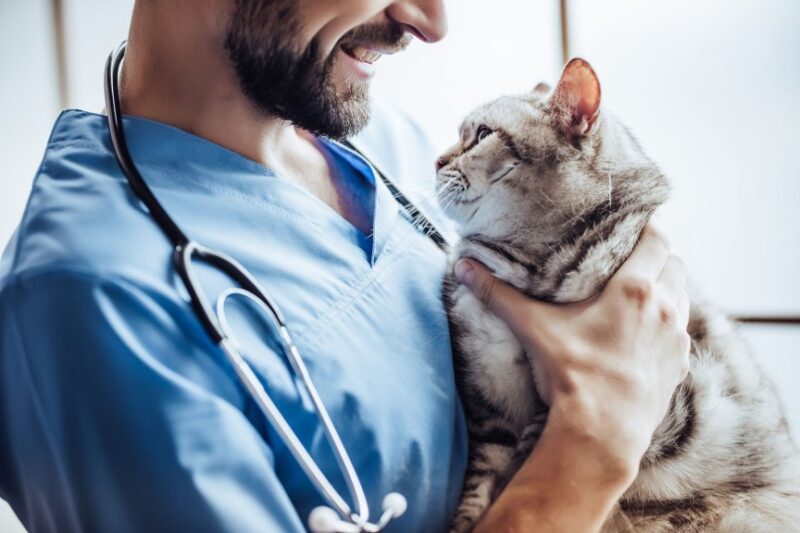
AI in veterinary care is not replacing veterinarians or making final medical decisions, but it is being used as a support tool that helps process medical data more efficiently. In many clinics, these systems assist with reading X-rays, analyzing ultrasound images, and reviewing bloodwork for patterns that may not be immediately obvious. They can also help flag changes in lab results over time, which is especially useful for pets with chronic conditions.
In emergency and telehealth settings, AI tools are increasingly used to help prioritize cases. A pet showing subtle warning signs in their history or symptoms may be flagged for quicker attention, helping veterinary teams decide who needs care first.
In practice, this works like a second layer of analysis, giving veterinarians more context rather than replacing their judgment.
How AI is Changing Diagnostics in Real Clinics
How AI in veterinary care shows up in real clinics is often more subtle than pet parents expect. It’s usually not the first thing you notice during a visit, but it can influence how quickly information comes back and how decisions start to take shape.
Faster Imaging Interpretation
One of the most visible changes is in diagnostic imaging. X-rays, ultrasounds, and other scans can now be analyzed with AI assistance that highlights possible abnormalities quickly.
This does not replace radiologists or veterinarians reviewing the images, but it can shorten the time between scan and initial insight. For pet parents, that often means less waiting in the exam room or at home wondering what the results might show.
Earlier Detection Of Disease Patterns
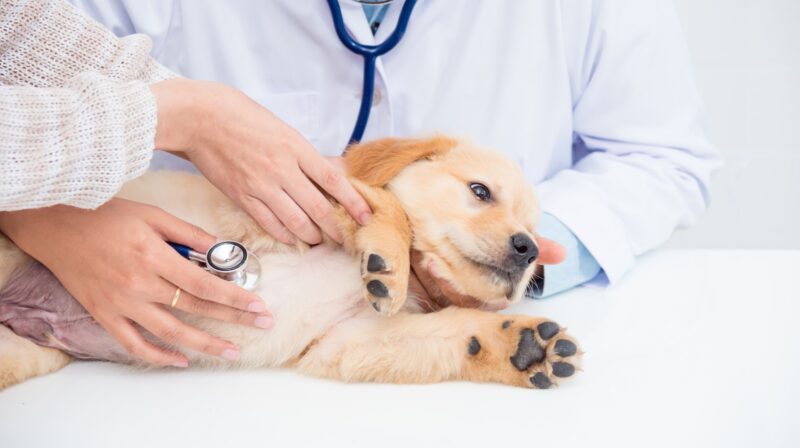
AI systems are particularly useful in spotting gradual changes over time. When bloodwork is repeated across months or years, these tools can identify small shifts that may signal early stages of conditions such as kidney disease or metabolic disorders.
These patterns are often subtle enough that they might not stand out in a single visit, especially if a pet is not showing obvious symptoms yet.
More Structured Triage Decisions
In urgent care and telehealth environments, AI in veterinary care is helping support triage decisions by analyzing symptom descriptions, history, and clinical data.
This helps veterinary teams prioritize cases more effectively, especially during busy periods or after hours when decisions need to be made quickly.
Better Long Term Monitoring
For chronic conditions, AI tools can track trends over time and help identify whether a condition is stable, improving, or slowly progressing.
This is especially important for illnesses that develop gradually, where small changes matter more than dramatic symptoms.

The Limitations of AI in Veterinary Care
Even as AI in veterinary care becomes more common, it has clear limits. For instance, it can’t replace a physical exam, observe movement, or assess a pet’s behavior in real time. It also can’t make final diagnostic decisions without veterinary interpretation.
Different systems also vary in quality and focus. Some are designed specifically for imaging, while others focus on lab analysis or symptom screening. That means results still depend heavily on how a veterinarian interprets and applies the information.
Veterinarians remain the central decision makers, using AI as one tool among many.
Why Diagnostics Are Becoming A Bigger Part Of Vet Visits
As AI in veterinary care improves the ability to detect early or subtle changes, more conditions are being identified sooner. That often leads to additional testing to confirm findings or rule out other possibilities.
Instead of a single diagnostic step, a visit may now involve a sequence of imaging, lab work, and follow up evaluations to build a clearer picture of a pet’s health.
This doesn’t mean care is becoming unnecessarily complex. In many cases, it leads to earlier treatment and better outcomes. But it does change how veterinary visits feel, both medically and financially.

Where Pet Insurance Connects To AI Diagnostics
This is where AI in veterinary care starts to directly affect financial decisions in the clinic.
When diagnostic tools become more sensitive, they often lead to more follow up testing. A scan might trigger additional imaging. Bloodwork might prompt a specialist referral. These steps are not unnecessary, but they can add up quickly in cost.
Pet insurance helps bridge that gap by making it easier for pet parents to move forward with recommended diagnostics without hesitation. Instead of weighing cost in the moment, they can focus on understanding what is going on with their pet.
AI also contributes to earlier detection of chronic conditions like kidney disease or diabetes. When these are identified sooner, they often require longer term management, which can include ongoing testing, medication, and monitoring. Insurance becomes especially relevant in those cases because care does not end after the first diagnosis.
In practice, the combination of AI in veterinary care and insurance support often leads to faster decision making, earlier intervention, and fewer delays in getting answers.
Faster Diagnostics and A New Standard of Care
AI in veterinary care is changing how quickly and how deeply veterinarians can look into a pet’s health. Conditions are being identified earlier, imaging is being analyzed faster, and diagnostic conversations are becoming more detailed.
At the same time, this is increasing the role of testing and diagnostics in everyday care, which naturally influences both timing and cost. For pet parents, understanding how these tools affect veterinary decisions can make it easier to prepare for what care might look like in the future.
If you want a clearer sense of what that kind of coverage could look like for your own pet, it can help to compare free quotes from leading pet insurance providers. A quick comparison can show you options for covering diagnostics, treatments, and unexpected care before you ever need them.
Thinking of insuring your pet?
Get Quotes & Compare
References:
- https://www.avma.org/news/artificial-intelligence-poised-transform-veterinary-care
- Bellamy JEC. Artificial intelligence in veterinary medicine requires regulation. Can Vet J. 2023 Oct;64(10):968-970. PMID: 37780472; PMCID: PMC10506349.
- https://www.aaha.org/trends-magazine/trends-may-2024/applications-of-ai-in-veterinary-practice/
Disclaimer
The information contained on this blog is intended for informational and educational purposes only and should not be construed as medical advice. It is not a substitute for professional veterinary care. Always consult with your veterinarian before making any changes to your pet's health care or treatment plan.
The authors of this blog are not veterinarians and do not claim to be experts in pet health. The information provided here is based on our own experiences and research, as well as information from reputable sources. However, we cannot guarantee the accuracy or completeness of this information.
We encourage you to do your own research and consult with your veterinarian before making any decisions about your pet's health.
Charitable Giving
With every pet insurance policy we generate, we do our bit to help less fortunate animals across Canada and the U.S. by making a donation to one of our chosen animal charities or rescue centres.
Compare top pet insurance providers plans.
Popular Articles
-
![Dog Personalities | 20 Dog Breeds & What Personality You Can Expect]() Dog Personalities | 20 Dog Breeds & What Personality You Can Expect
Dog Personalities | 20 Dog Breeds & What Personality You Can Expect
-
![Pitbull Weight and Growth Chart: Male, Female, and Puppy Growing Patterns]() Pitbull Weight and Growth Chart: Male, Female, and Puppy Growing Patterns
Pitbull Weight and Growth Chart: Male, Female, and Puppy Growing Patterns
-
![Beagle Weight and Growth Chart]() Beagle Weight and Growth Chart
Beagle Weight and Growth Chart
-
![Labrador Retriever Weight and Growth Chart: Male, Female and Puppy Growing Patterns]() Labrador Retriever Weight and Growth Chart: Male, Female and Puppy Growing Patterns
Labrador Retriever Weight and Growth Chart: Male, Female and Puppy Growing Patterns
-
![Shih Tzu Growth and Weight Chart]() Shih Tzu Growth and Weight Chart
Shih Tzu Growth and Weight Chart
-
![Cane Corso Weight and Growth Chart]() Cane Corso Weight and Growth Chart
Cane Corso Weight and Growth Chart




Enter your dog’s age in years and months to calculate their age equivalent to human years.
Calculate your dog’s ageEnter your cat’s age in years and months to calculate their age equivalent to human years.
Calculate your cat’s age