
Pet-Safe Lawn Care
Posted: 07/14/2025 | BY: Jenna Bruce | Categories: Cat , Dog , Pet care
Ah, summer—the season of sunshine, long walks, and grassy adventures with your furry best friend. But before you let your pup romp through that lush green lawn, it’s worth asking: is it truly safe? Many lawns and public parks are treated with chemicals that can pose serious risks to pets. That’s why pet-safe lawn care is essential for protecting your companion while still enjoying those outdoor moments together.
Let’s explore how to spot the risks and build a pet-safe lawn care routine that keeps your companion happy and healthy.
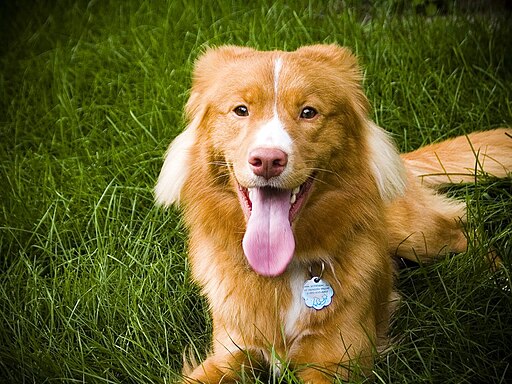
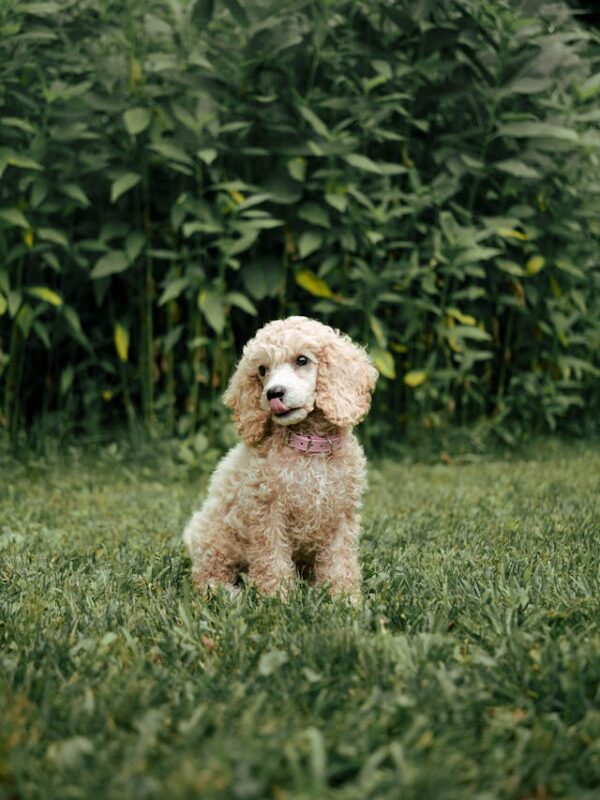
Christopher Woo, CC BY 2.0 <https://creativecommons.org/licenses/by/2.0>, via Wikimedia Commons
What Is Pet-Safe Lawn Care?
Pet-safe lawn care means maintaining your grass and green spaces in a way that minimizes or eliminates toxic chemical exposure for pets. It focuses on avoiding products that contain harmful ingredients and using natural or pet-friendly alternatives instead.
While we might love a lush lawn, the methods used to achieve it can pose hidden dangers to our pets, especially during the warmer months when chemical treatments peak and paws are constantly in contact with treated surfaces.
What’s in Lawn Chemicals and Why it Matters
Here’s a breakdown of the most common lawn care chemicals harmful to dogs and cats:
- Herbicides (like glyphosate): Used to kill weeds, but linked to potential cancer risks.
- Pesticides: Designed to repel insects but often toxic to animals.
- Fungicides: Used to prevent mold and mildew on grass.
- Fertilizers: May contain nitrogen, phosphorus, and potassium compounds that can irritate skin and upset stomachs.
The real issue? These chemicals don’t just disappear after application. They cling to grass blades, soak into soil, and stick to paws, fur, and noses. That’s where problems begin.
How Lawn Chemicals Affect Pets
Your dog doesn’t just walk across the lawn, they roll in it, sniff it, lick their paws afterward, and even dig into it. This behavior increases their risk of exposure exponentially.
Some health risks linked to lawn pesticide exposure in dogs include:
- Skin irritation or burns
- Upset stomach or vomiting
- Lethargy, respiratory issues, or coughing
- Long-term exposure linked to bladder cancer and malignant lymphoma
A study published in Science of the Total Environment found that pesticide residues were present in the urine of dogs even days after lawn exposure, a clear sign that these chemicals linger longer than we might think.
Spot the Signs: Is Your Pet Reacting to Lawn Chemicals?
If your pet has been walking or playing on treated grass, keep an eye out for these warning signs:
- Excessive licking or chewing of the paws
- Redness, swelling, or blisters on paw pads
- Itchy skin or rashes
- Sneezing, coughing, or wheezing
- Behavior changes like tiredness or irritability after outdoor time
If symptoms persist, talk to your vet, especially if your pet may have ingested grass or soil from a chemically treated area.
5 Easy Ways to Practice Pet-Safe Lawn Care
Summer should be all about playtime, tail wags, and belly rubs in the sunshine, not emergency vet visits. Here’s how to keep your green spaces pet-safe without giving up your outdoor adventures.
1. Wipe Paws After Every Walk (and Why It Really Matters)
It might sound overly cautious, but this small step goes a long way. Chemical residues, allergens, and even sharp grass burrs can stick to your pet’s paws like glue. Left alone, they can cause irritation or get licked off and ingested.
Pro Tip: Keep a pack of fragrance-free, pet-safe wipes near your front door or in your car. If you’re home, a quick rinse with warm water and a towel works wonders.
Bonus Idea: If your dog has allergies, wiping down legs and belly after walks can help reduce environmental allergens that sneak into your home.
2. Avoid Recently Treated Lawns
Most lawn chemicals come with instructions to “keep pets off for 24–72 hours,” but many treatments don’t advertise their presence. When in doubt, steer clear.
Look for these clues:
- Warning flags or signage in grassy areas
- Strong chemical smells
- Bright green “perfect” lawns (especially if they appear treated compared to surrounding areas)
If you’re unsure, wait at least two full days after rain or watering before letting your pet roll around.
Alternative: Opt for natural areas like wooded trails or beaches that don’t rely on chemical lawn treatments at all.
3. Use Paw Wax or Dog Booties
Paw waxes, like Musher’s Secret, create a gentle, breathable barrier between your dog’s feet and whatever they’re walking through. It’s especially helpful in summer, when hot pavement and lawn chemicals can be a nasty combination.
Not all dogs love wearing booties, but with a little training (and a lot of treats), many learn to tolerate them and even strut their stuff in style.
How to Apply Paw Wax:
- Clean and dry your dog’s paws
- Rub a small amount of wax into each pad
- Let it absorb for a minute or two before heading out
This also works as a moisture sealant, preventing cracked or dry pads caused by heat and chemical exposure.
4. Go Organic at Home
If you have a yard, you’re in control! Choosing natural lawn care methods not only benefits your pets, but also supports local wildlife and reduces harmful runoff into waterways.
Pet-safe alternatives include:
- Compost tea or fish emulsion for fertilizing
- Vinegar or boiling water for spot-weeding
- Corn gluten meal to prevent weed germination
- Installing clover or native grasses that require less maintenance
Want a low-maintenance lawn that’s naturally safer? Consider planting:
- Microclover: Resilient, drought-tolerant, and pet-friendly
- Buffalo grass: Low-growing and soft underfoot
- Creeping thyme: Smells amazing and resists trampling
Many garden centers now carry pet-friendly lawn care products, and some even feature dedicated sections for chemical-free living. Just look for labels that specify “safe for pets and children” or are certified organic.
5. Choose Parks That Use Eco-Friendly Practices
More cities and communities are getting the memo: we want safe places for our pets to play. Some now use Integrated Pest Management (IPM) or certified organic methods to reduce chemical exposure in public parks.
How to find them:
- Look for parks labeled as “pesticide-free” or “organic-certified”
- Check your city’s parks and rec website or call to ask
- Follow local environmental groups—they often publish safe green space maps
Don’t underestimate your voice! Ask your city council or HOA to consider pet-safe landscaping. Change often starts with just one curious (and caring) pet parent.
What About Cats?
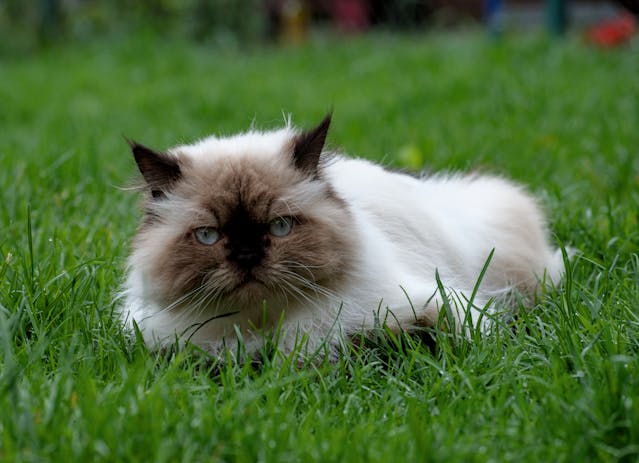
Cat parents, don’t tune out just yet. If your kitty goes outside, even briefly, she’s also at risk of chemical exposure. Cats often lie in treated gardens or stroll across freshly sprayed lawns. Since they groom themselves obsessively, anything that touches their fur usually ends up in their mouth.
Make sure your outdoor spaces are chemical-free, or consider supervised outdoor time in a catio or screened patio where exposure is limited.
Let’s Keep Summer Safe (and Fun)
There’s nothing quite like watching your dog zoom across an open lawn or sunbathe under a tree. But when it comes to green spaces, we have to look past appearances. Those vibrant blades of grass might be hiding something your pet’s body won’t love.
By making small changes and choosing smarter outdoor routines, you can reduce risks without sacrificing summer fun. Whether it’s wiping paws, choosing better parks, or rethinking what you use in your own yard, every step toward pet-safe lawn care is a step toward a healthier, happier companion.
So leash up, head out, and enjoy the sunshine—with a little extra peace of mind!
References:
- Bus JS, Hammond L. Re: Knapp DW, Peer WA, Conteh A, Diggs AR, Cooper BR, Glickman NW, et al. detection of herbicides in the urine of pet dogs following home lawn application. Sci Total Env 2013; 456-457: 34-41. Sci Total Environ. 2014 Jul 15;487:576-7. doi: 10.1016/j.scitotenv.2014.03.081. Epub 2014 Apr 13. PMID: 24739893.
- https://www.aspca.org/news/tips-pet-safe-yard-and-garden
Disclaimer
The information contained on this blog is intended for informational and educational purposes only and should not be construed as medical advice. It is not a substitute for professional veterinary care. Always consult with your veterinarian before making any changes to your pet's health care or treatment plan.
The authors of this blog are not veterinarians and do not claim to be experts in pet health. The information provided here is based on our own experiences and research, as well as information from reputable sources. However, we cannot guarantee the accuracy or completeness of this information.
We encourage you to do your own research and consult with your veterinarian before making any decisions about your pet's health.
Charitable Giving
With every pet insurance policy we generate, we do our bit to help less fortunate animals across Canada and the U.S. by making a donation to one of our chosen animal charities or rescue centres.
Compare top pet insurance providers plans.
Popular Articles
-
![Dog Personalities | 20 Dog Breeds & What Personality You Can Expect]() Dog Personalities | 20 Dog Breeds & What Personality You Can Expect
Dog Personalities | 20 Dog Breeds & What Personality You Can Expect
-
![Pitbull Weight and Growth Chart: Male, Female, and Puppy Growing Patterns]() Pitbull Weight and Growth Chart: Male, Female, and Puppy Growing Patterns
Pitbull Weight and Growth Chart: Male, Female, and Puppy Growing Patterns
-
![Beagle Weight and Growth Chart]() Beagle Weight and Growth Chart
Beagle Weight and Growth Chart
-
![Labrador Retriever Weight and Growth Chart: Male, Female and Puppy Growing Patterns]() Labrador Retriever Weight and Growth Chart: Male, Female and Puppy Growing Patterns
Labrador Retriever Weight and Growth Chart: Male, Female and Puppy Growing Patterns
-
![Shih Tzu Growth and Weight Chart]() Shih Tzu Growth and Weight Chart
Shih Tzu Growth and Weight Chart
-
![Cane Corso Weight and Growth Chart]() Cane Corso Weight and Growth Chart
Cane Corso Weight and Growth Chart


Enter your dog’s age in years and months to calculate their age equivalent to human years.
Calculate your dog’s ageEnter your cat’s age in years and months to calculate their age equivalent to human years.
Calculate your cat’s age