
Excessive Sniffing in Dogs
Posted: 07/21/2025 | BY: Jenna Bruce | Categories: Behavior , Dog , Health problems
Dogs sniff. It’s one of their most natural behaviors. They explore their world through scent, learning about their surroundings, other animals, and even us. But what happens when your dog’s sniffing moves beyond normal curiosity and becomes obsessive? If you’ve noticed your dog sniffing excessively, it’s important to understand that this behavior could be signaling something deeper. In this article, we’ll explore common causes of excessive sniffing in dogs, what this behavior might mean for your pup’s health and wellbeing, and when it’s time to consult your veterinarian.
Why Do Dogs Sniff So Much?
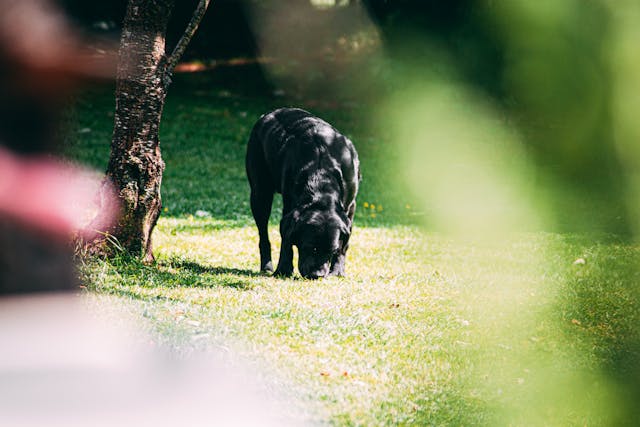
Dogs’ noses are extraordinary. With up to 300 million olfactory receptors compared to humans’ 5–6 million, dogs experience the world primarily through their sense of smell. Their brains dedicate a large portion to processing scents, so sniffing isn’t just a quirky habit – it’s how they gather information.
For example, when your dog sniffs a tree, they’re not just smelling a tree. They’re learning which dogs passed by, whether the neighborhood smells different, or if there’s something new or unusual.
But when sniffing becomes excessive or obsessive, it might mean your dog is trying to communicate something else – like stress, discomfort, or a medical problem.
Common Causes of Excessive Sniffing in Dogs
Let’s dig into the top reasons why your dog might be sniffing more than usual:
1. Anxiety and Stress
One of the most common causes of excessive sniffing in dogs is anxiety. When dogs feel stressed, whether due to changes in their environment, new people, loud noises like fireworks, or even separation from their favorite humans, they often sniff to self-soothe.
This behavior works like a coping mechanism, helping dogs calm their nerves. You may notice your dog sniffing the floor, furniture, or even your clothes more frequently during or after stressful situations.
If this sounds familiar, finding ways to reduce your dog’s stress, like consistent routines, calming aids, or safe spaces, can help decrease obsessive sniffing.
2. Investigating New or Unfamiliar Scents
Dogs are scent detectives, and even the slightest change in their environment can pique their noses. A new piece of furniture, a freshly cleaned floor, or scents from other animals carried on your clothes can trigger increased sniffing.
Usually, this type of sniffing is short-lived. Once your dog has gathered the information, they move on. But if the sniffing lasts longer than a couple of days or intensifies, it could be a sign that something else is going on.
3. Hormonal Influences and Mating Behavior
Hormones can play a big role in your dog’s sniffing habits. Intact males, for example, tend to sniff more intensely when a female in heat is nearby – even if she’s not physically present.
Female dogs, too, may show increased sniffing during different stages of their reproductive cycle.
While this is natural behavior, if your dog seems obsessed or fixated on sniffing one particular spot or person, it may be driven by hormones.
4. Cognitive Decline and Neurological Issues
As dogs age, they sometimes develop canine cognitive dysfunction (CCD), similar to dementia in humans. One symptom can be repetitive or aimless sniffing.
If your senior dog suddenly starts sniffing the same area repeatedly, seems confused, or gets “stuck” sniffing, this could be an early neurological sign.
Neurological problems or brain disorders can also cause compulsive sniffing behaviors. If you notice excessive sniffing combined with other odd behaviors, a vet visit is crucial.
5. Underlying Medical Problems
Sometimes, excessive sniffing can be your dog’s way of telling you something is wrong physically. They might sniff their own body, or certain areas in the house where they rest, due to discomfort or pain.
Some common medical causes include:
- Skin infections or irritations that your dog is trying to locate or relieve
- Urinary tract infections causing discomfort and prompting sniffing and licking
- Gastrointestinal issues that affect your dog’s comfort and behavior
- Nasal tumors or infections that make your dog sniff and sneeze more than usual
If your dog’s sniffing is accompanied by coughing, sneezing, licking, or changes in appetite, it’s time to get professional help.
6. Sensory Loss or Vision Problems
Dogs rely heavily on their senses to navigate the world. If your dog’s eyesight is deteriorating, they may sniff more often to “map” their environment.
This kind of excessive sniffing in dogs often involves sniffing along walls, furniture, or floors as a way to orient themselves.
If your dog is also bumping into things or hesitating on stairs, vision loss could be the cause.
7. Nutritional Deficiencies and Pica
If your dog suddenly starts sniffing and even eating non-food items – like dirt, rocks, or plastic – it might indicate a nutritional deficiency or a condition called pica.
Low-quality diets or sudden diet changes can cause dogs to search for missing minerals or vitamins in unusual places.
If you notice this behavior, it’s important to consult your vet and review your dog’s diet.
When to Seek Veterinary Care for Excessive Sniffing in Dogs
While sniffing is usually harmless, you should see a vet if:
- It’s a new behavior for your dog with no clear cause
- It’s paired with other symptoms like lethargy, loss of appetite, coughing, or sneezing
- Your dog licks or bites at specific areas obsessively
- Your dog shows signs of confusion, disorientation, or vision problems
Early diagnosis can make a big difference in treatment and quality of life.
How to Help Your Dog Manage Excessive Sniffing
Here are some tips for helping your dog if they’re sniffing more than usual:
- Maintain a calm and predictable environment to reduce anxiety
- Stick to routines that your dog can rely on
- Use enrichment activities like scent games to redirect sniffing energy positively
- Monitor your dog’s health closely, and schedule regular veterinary checkups
- Keep an eye on diet and nutrition to prevent deficiencies that could trigger abnormal behaviors
Protect Your Dog’s Health with Pet Insurance
Sometimes, excessive sniffing in dogs can be the first sign of a health problem that requires veterinary care. Having pet insurance gives you the freedom to seek timely treatment without worrying about unexpected costs.
Whether it’s diagnostic tests, specialist visits, or treatment for chronic conditions, pet insurance can help protect your wallet and your peace of mind.
Don’t wait for a sniffing behavior to turn into an expensive health crisis – explore pet insurance options today and give your furry friend the comprehensive care they deserve.
Find & Compare the Top Pet Insurance Companies
Get Quotes for Your Dog
References:
- https://www.aspca.org/pet-care/dog-care/common-dog-behavior-issues/behavior-problems-older-dogs
- https://www.akc.org/expert-advice/advice/why-does-my-dog-sniff-everything/
- https://catanddoghouse.com/dog-sniffing-a-lot/
Disclaimer
The information contained on this blog is intended for informational and educational purposes only and should not be construed as medical advice. It is not a substitute for professional veterinary care. Always consult with your veterinarian before making any changes to your pet's health care or treatment plan.
The authors of this blog are not veterinarians and do not claim to be experts in pet health. The information provided here is based on our own experiences and research, as well as information from reputable sources. However, we cannot guarantee the accuracy or completeness of this information.
We encourage you to do your own research and consult with your veterinarian before making any decisions about your pet's health.
Charitable Giving
With every pet insurance policy we generate, we do our bit to help less fortunate animals across Canada and the U.S. by making a donation to one of our chosen animal charities or rescue centres.
Compare top pet insurance providers plans.
Popular Articles
-
![Dog Personalities | 20 Dog Breeds & What Personality You Can Expect]() Dog Personalities | 20 Dog Breeds & What Personality You Can Expect
Dog Personalities | 20 Dog Breeds & What Personality You Can Expect
-
![Pitbull Weight and Growth Chart: Male, Female, and Puppy Growing Patterns]() Pitbull Weight and Growth Chart: Male, Female, and Puppy Growing Patterns
Pitbull Weight and Growth Chart: Male, Female, and Puppy Growing Patterns
-
![Beagle Weight and Growth Chart]() Beagle Weight and Growth Chart
Beagle Weight and Growth Chart
-
![Labrador Retriever Weight and Growth Chart: Male, Female and Puppy Growing Patterns]() Labrador Retriever Weight and Growth Chart: Male, Female and Puppy Growing Patterns
Labrador Retriever Weight and Growth Chart: Male, Female and Puppy Growing Patterns
-
![Shih Tzu Growth and Weight Chart]() Shih Tzu Growth and Weight Chart
Shih Tzu Growth and Weight Chart
-
![Cane Corso Weight and Growth Chart]() Cane Corso Weight and Growth Chart
Cane Corso Weight and Growth Chart



Enter your dog’s age in years and months to calculate their age equivalent to human years.
Calculate your dog’s ageEnter your cat’s age in years and months to calculate their age equivalent to human years.
Calculate your cat’s age