
Early Warning Signs in Pets: What Insurance Data Can Teach Us About Keeping Them Healthy
Posted: 12/15/2025 | BY: Jenna Bruce | Categories: Behavior , Cat , Dog , Health problems
Pets are amazing at hiding discomfort. Your cat may still curl up in your lap, purring as usual, and your dog may still wag their tail during walks, even if something is off under the surface. That’s why knowing the early warning signs in pets is so important. Often, by the time we notice obvious symptoms, the problem has been developing for weeks or even months.
The good news is that insurance companies collect a lot of data from claims, and by looking at trends in that data, we can learn what conditions tend to show up first and how to act before it’s too late.

Why Insurance Data Matters
You might not think of pet insurance companies as wellness experts, but the claims they handle provide a treasure trove of information about pet health. Every visit, procedure, or treatment submitted creates a pattern. When you step back and look at those patterns across thousands of pets, trends emerge! Some issues tend to appear at certain ages, while others are linked to lifestyle, breed, or underlying conditions.
By reviewing these trends, we can see which problems often develop slowly and which ones can escalate if left unchecked. This gives pet parents a chance to spot the early warning signs in pets and take preventive action.
Common Patterns That Show Up in Claims
When reviewing pet insurance claims, certain conditions appear again and again. While claims data reflects diagnosed illnesses and treatments rather than early symptoms themselves, many of these cases share a common thread: subtle changes at home often showed up long before a diagnosis was made. Recognizing these early signs can help pet parents take action sooner.
Dental Disease
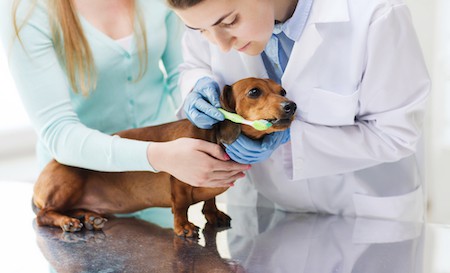
Dental procedures are among the most common types of claims, including cleanings, extractions, infections, and anesthesia related treatments. In many cases, pets were later found to have had early dental issues that went unnoticed, such as mild bad breath or changes in chewing. Regular brushing and routine veterinary dental exams can help reduce the likelihood of advanced dental disease and costly treatment.
Weight Related Conditions
Claims data frequently reflects conditions associated with excess weight, including arthritis, joint injuries, diabetes, and ligament damage. While weight gain itself may not always appear as a claim, the medical issues linked to it do. Monitoring body condition, managing portions, and maintaining regular activity can help prevent many of these chronic, claim related conditions.
Digestive and Gastrointestinal Conditions
Vomiting, diarrhea, pancreatitis, food sensitivities, and chronic gastrointestinal disease are common reasons for claims. These issues often appear repeatedly over a pet’s lifetime. In many cases, owners later report earlier digestive changes that seemed minor at the time. Early dietary adjustments and veterinary guidance can help prevent more serious GI problems.
Conditions Linked to Behavior Changes
Many claims for pain, illness, neurological issues, or age related conditions note behavior changes as the reason for the initial veterinary visit. Increased sleeping, reduced grooming in cats, clinginess, or withdrawal can all precede a medical diagnosis. Paying attention to changes in normal behavior can help prompt earlier evaluation and treatment.

Skin and Allergy Related Issues
Allergies, ear infections, dermatitis, and skin infections are consistently common in claims data and often recur. Excessive scratching, hair loss, or changes in skin condition are frequently reported once treatment begins. Early veterinary care can help manage these issues before they become chronic or require long term treatment.
Turning Data Into Action
So, how do you translate what insurance data shows into practical steps for your pet? Here are some simple ways:
- Regular checkups: Even if your pet seems fine, routine vet visits catch early signs before they become serious. Use the trends to guide which areas need attention, such as dental care or weight management.
- Observe behavior daily: Keep an eye on your pet’s activity, appetite, and mood. Note anything unusual, even minor changes. These small observations often align with what the claims data suggests as early warning signs.
- Maintain a healthy lifestyle: Balanced diet, exercise, and enrichment are simple but powerful ways to prevent many common conditions that show up in claims.
- Create a health record: Keep track of weight, dental health, vaccinations, and vet visits. This record helps you notice trends and gives your veterinarian useful information if something seems off.
- Act quickly on changes: If you notice any of the red flags from above, don’t wait. Early intervention can mean easier treatment and faster recovery.
Breed and Age Considerations
Claims data also reveals that certain breeds are predisposed to specific conditions. For example, larger breeds often face joint problems earlier, while smaller breeds might have dental or heart issues more frequently. Age plays a role too. Senior pets are more likely to develop chronic conditions, while young pets might show behavioral changes or digestive sensitivities. Tailoring your observation and care to your pet’s breed and age can help catch early warning signs in pets even before they escalate.

How Technology Can Help
Along with paying attention to your pet and using trends from claims data, technology can be an ally. Activity monitors, smart collars, and even simple apps that track eating, sleep, and behavior patterns can alert you to deviations from normal behavior. This data complements what we’ve learned from insurance trends, giving you a clearer picture of your pet’s health.
Making Preventive Care Routine
Using the knowledge from insurance data, you can turn preventive care into a daily habit. Brush teeth regularly, monitor weight, keep up with vet visits, and pay attention to behavior and coat condition. Small, consistent actions reduce the likelihood of major health events later and make it easier to enjoy more time with your pet without worry.
The Big Picture
At the end of the day, the goal is to catch problems early when they are easier to treat. Insurance claims show us that many serious conditions begin with subtle signs that owners can spot if they know what to look for. By understanding these trends and acting proactively, you can help your pet stay healthier and happier.
And while you’re paying attention to these early warning signs in pets, unexpected issues can still happen. Pet insurance helps cover the cost of veterinary care so you can respond quickly without worrying about bills. With the right policy, you can focus on keeping your pet healthy and enjoy peace of mind knowing you’re ready for whatever comes next.
Take 2 minutes to get a free quote and a little peace of mind.
Thinking of insuring your pet?
Get Quotes & Compare
Disclaimer
The information contained on this blog is intended for informational and educational purposes only and should not be construed as medical advice. It is not a substitute for professional veterinary care. Always consult with your veterinarian before making any changes to your pet's health care or treatment plan.
The authors of this blog are not veterinarians and do not claim to be experts in pet health. The information provided here is based on our own experiences and research, as well as information from reputable sources. However, we cannot guarantee the accuracy or completeness of this information.
We encourage you to do your own research and consult with your veterinarian before making any decisions about your pet's health.
Charitable Giving
With every pet insurance policy we generate, we do our bit to help less fortunate animals across Canada and the U.S. by making a donation to one of our chosen animal charities or rescue centres.
Compare top pet insurance providers plans.
Popular Articles
-
![Dog Personalities | 20 Dog Breeds & What Personality You Can Expect]() Dog Personalities | 20 Dog Breeds & What Personality You Can Expect
Dog Personalities | 20 Dog Breeds & What Personality You Can Expect
-
![Pitbull Weight and Growth Chart: Male, Female, and Puppy Growing Patterns]() Pitbull Weight and Growth Chart: Male, Female, and Puppy Growing Patterns
Pitbull Weight and Growth Chart: Male, Female, and Puppy Growing Patterns
-
![Beagle Weight and Growth Chart]() Beagle Weight and Growth Chart
Beagle Weight and Growth Chart
-
![Labrador Retriever Weight and Growth Chart: Male, Female and Puppy Growing Patterns]() Labrador Retriever Weight and Growth Chart: Male, Female and Puppy Growing Patterns
Labrador Retriever Weight and Growth Chart: Male, Female and Puppy Growing Patterns
-
![Shih Tzu Growth and Weight Chart]() Shih Tzu Growth and Weight Chart
Shih Tzu Growth and Weight Chart
-
![Cane Corso Weight and Growth Chart]() Cane Corso Weight and Growth Chart
Cane Corso Weight and Growth Chart





Enter your dog’s age in years and months to calculate their age equivalent to human years.
Calculate your dog’s ageEnter your cat’s age in years and months to calculate their age equivalent to human years.
Calculate your cat’s age