
Natural Eye Health for Senior Pets
Posted: 12/21/2025 | BY: Jenna Bruce | Categories: Cat , Dog , Health problems , Pet care
As pets grow older, their eyes often need a little more care and attention. You may notice cloudiness, slower reaction to light, or a bit of hesitation in dim rooms. That is completely normal with age, and the good news is that you can support natural eye health for senior pets with simple habits, nutrient-rich foods, and small daily adjustments that keep their vision as strong and comfortable as possible.
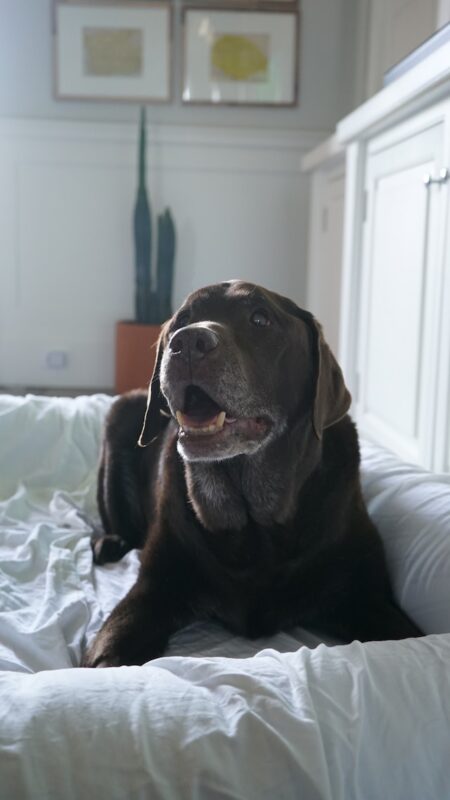
Why Senior Pet Eyes Need Extra Support
As pets enter their senior years, natural changes in the eye begin to appear. The lenses become less flexible, tear production can slow down, and oxidative stress has more time to build. These shifts can lead to dryness, cloudiness, or a slight loss of sharpness.
Natural eye health for senior pets focuses on supporting these changes gently rather than trying to stop the aging process altogether. The goal is comfort, clarity, and protection. With the right nutrients and environmental adjustments, many pets continue to see well and enjoy their surroundings with ease.
Antioxidants Your Pet’s Eyes Will Love
One of the most helpful ways to support natural eye health for senior pets is through antioxidant rich foods. Antioxidants help neutralize free radicals, which can damage eye tissue over time. They also provide a gentle boost to the immune system that keeps the eyes better protected.
Helpful antioxidants include:
- Vitamin C and vitamin E for tissue support
- Lutein and zeaxanthin for lens and retina protection
- Beta carotene for overall vision wellness
- Omega-3 fatty acids to reduce dryness and inflammation
Many high quality senior diets already include some of these nutrients, but you can add them through safe whole foods, too. A small scoop of cooked carrots, blueberries, pumpkin, or leafy greens can give a natural nutrition boost. Fish oil or algae based omega supplements are another simple addition your vet may recommend.
Hydration Helps More Than You Think
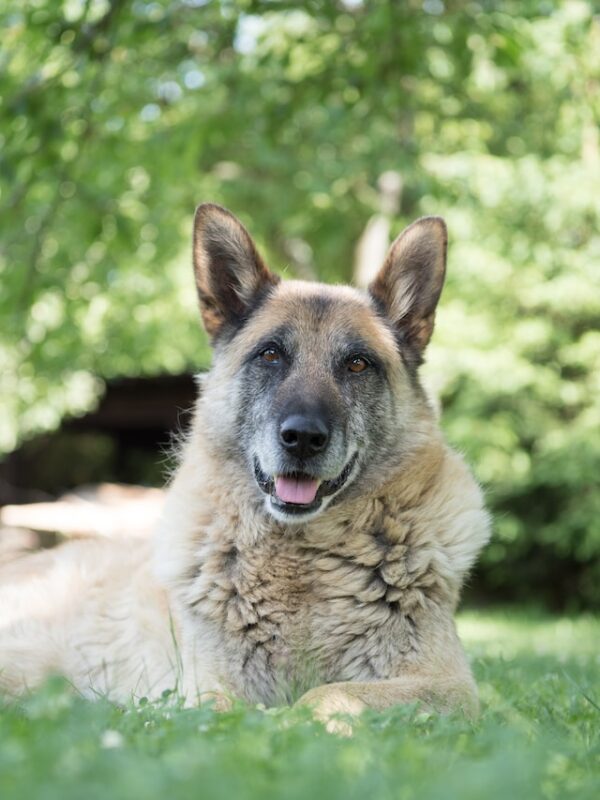
Water plays a quiet but powerful role in eye comfort. When senior pets are only mildly dehydrated, their eyes can become dry or irritated. This is especially true in older pets who drink less when the weather cools or when they sleep longer during the day.
Make hydration easy and appealing. Use multiple water bowls, add a splash of warm water to meals, or include moisture rich foods like wet food or bone broth. Better hydration supports natural eye health for senior pets by keeping tissues cushioned and tear production steady.
Gentle Grooming Around the Eyes
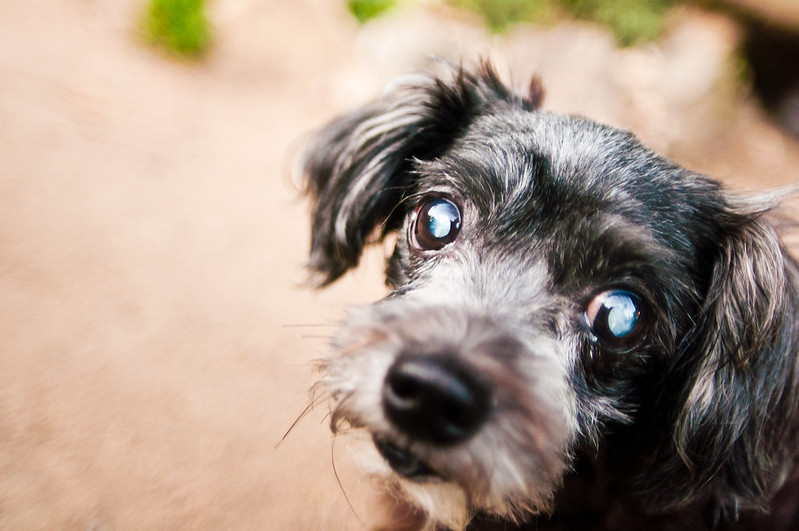
A little grooming goes a long way, especially for pets with longer fur or more tear staining. Keeping the fur around the eyes clean and trimmed reduces the chances of irritation. Soft, fragrance free wipes can help remove buildup without bothering delicate skin.
If your pet has chronic tear staining, avoid harsh whitening products. A mild cleanser recommended by your vet is much safer and kinder. Slow, gentle cleaning once a day is often enough to support eye comfort.
https://www.flickr.com/photos/carbonnyc/
Lighting and Home Adjustments for Aging Eyes
Senior eyes may not adapt to lighting changes as quickly as they once did. This can make dim rooms or dark hallways harder to navigate. Small changes can make a big difference.
Try these simple adjustments:
- Add nightlights near stairs and hallways
- Keep furniture in consistent locations
- Use soft, indirect lighting in areas your pet frequently walks through
- Avoid sudden bright flashes when taking photos
These changes support natural eye health for senior pets by helping them rely less on quick light adaptation and more on steady, predictable surroundings.
Eye Supporting Herbs and Natural Supplements
Certain herbs have been traditionally used to support vision and eye comfort. Always check with your vet before adding supplements, but here are a few commonly recommended options:
- Bilberry for circulation to the eye
- Eyebright for mild irritation
- Calendula for gentle comfort and skin soothing
- Omega-3s for tear film support
Quality matters when choosing herbal supplements, so look for reputable brands or formulas made specifically for pets. When used correctly, these herbs offer gentle support for natural eye health in senior pets.
Protecting Eyes During Outdoor Time
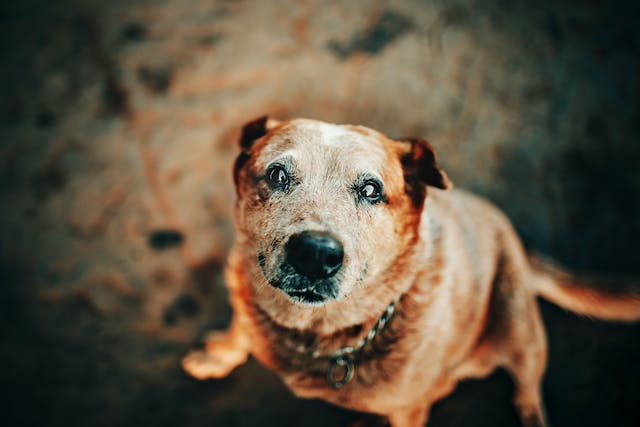
Sun exposure can affect pets just like it affects people. While most pets do not need sunglasses, a little sun protection can go a long way. Avoid long stretches of intense midday sun and give your pet shady spots to rest in. For dogs who join you on hikes, windy days, or sandy outings, protective goggles can prevent debris from irritating aging eyes.
If your senior pet loves car rides, keep windows partially closed to prevent dust and dirt from blowing directly into the eyes.
The Role of Regular Checkups
Even with the best at home care, regular vet visits are a key part of natural eye health for senior pets. Older eyes can develop conditions like cataracts, dry eye, or increased pressure. These issues are easier to manage when caught early.
Your vet may recommend annual or twice yearly exams depending on your pet’s age and medical history. Keeping up with routine care allows you to give your pet the best chance at maintaining comfortable, functional vision well into their senior years.
When to Call the Vet
While natural support is helpful, some symptoms need prompt attention. Call your vet if you notice any of the following:
- Sudden cloudiness
- Redness or excessive tearing
- Squinting or pawing at the eyes
- Visible discharge
- Trouble seeing in bright or low light
- Changes in eye shape or size
Early care can prevent complications and keep your pet more comfortable.
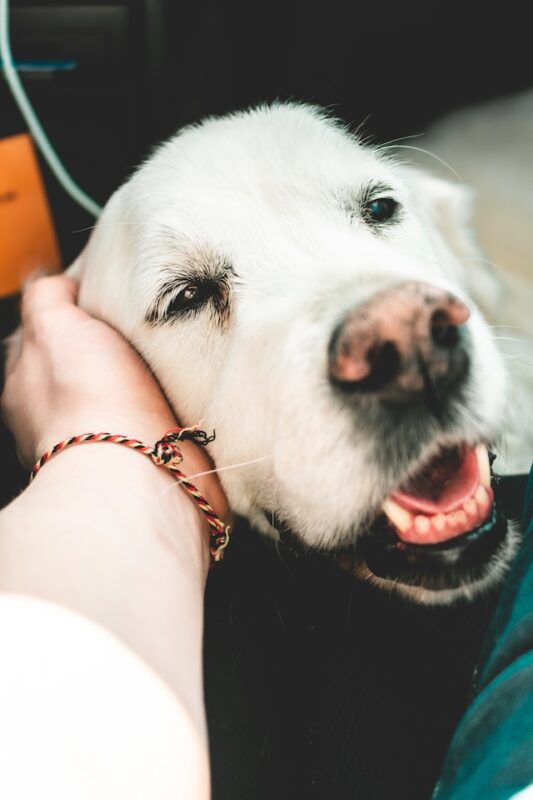
A Little Support Goes a Long Way
Natural eye health for senior pets is about gentle, smart choices that help them feel their best. With nutrient rich foods, good hydration, thoughtful grooming, environmental adjustments, and consistent checkups, you can make a meaningful difference in your pet’s comfort and confidence as they age.
And while you are doing everything you can to protect your pet’s wellbeing, remember that unexpected changes in vision or overall health can still happen. Pet insurance helps you manage the cost of care so you can focus on what your pet needs without worrying about financial strain. A solid policy gives you peace of mind and helps you stay ready for whatever life brings.
Thinking of insuring your pet?
Get Quotes & Compare
References:
- https://vetmed.tamu.edu/news/pet-talk/managing-eyesight-decline-in-aging-pets/
- https://www.aaha.org/resources/a-watchful-eye-recognizing-senior-pet-health-problems/
- https://vcahospitals.com/know-your-pet/lenticular-sclerosis-in-dogs
Disclaimer
The information contained on this blog is intended for informational and educational purposes only and should not be construed as medical advice. It is not a substitute for professional veterinary care. Always consult with your veterinarian before making any changes to your pet's health care or treatment plan.
The authors of this blog are not veterinarians and do not claim to be experts in pet health. The information provided here is based on our own experiences and research, as well as information from reputable sources. However, we cannot guarantee the accuracy or completeness of this information.
We encourage you to do your own research and consult with your veterinarian before making any decisions about your pet's health.
Charitable Giving
With every pet insurance policy we generate, we do our bit to help less fortunate animals across Canada and the U.S. by making a donation to one of our chosen animal charities or rescue centres.
Compare top pet insurance providers plans.
Popular Articles
-
![Dog Personalities | 20 Dog Breeds & What Personality You Can Expect]() Dog Personalities | 20 Dog Breeds & What Personality You Can Expect
Dog Personalities | 20 Dog Breeds & What Personality You Can Expect
-
![Pitbull Weight and Growth Chart: Male, Female, and Puppy Growing Patterns]() Pitbull Weight and Growth Chart: Male, Female, and Puppy Growing Patterns
Pitbull Weight and Growth Chart: Male, Female, and Puppy Growing Patterns
-
![Beagle Weight and Growth Chart]() Beagle Weight and Growth Chart
Beagle Weight and Growth Chart
-
![Labrador Retriever Weight and Growth Chart: Male, Female and Puppy Growing Patterns]() Labrador Retriever Weight and Growth Chart: Male, Female and Puppy Growing Patterns
Labrador Retriever Weight and Growth Chart: Male, Female and Puppy Growing Patterns
-
![Shih Tzu Growth and Weight Chart]() Shih Tzu Growth and Weight Chart
Shih Tzu Growth and Weight Chart
-
![Cane Corso Weight and Growth Chart]() Cane Corso Weight and Growth Chart
Cane Corso Weight and Growth Chart

Enter your dog’s age in years and months to calculate their age equivalent to human years.
Calculate your dog’s ageEnter your cat’s age in years and months to calculate their age equivalent to human years.
Calculate your cat’s age