
Dog Anesthesia Risks: What to Ask Your Vet Before Your Pup’s Surgery
Posted: 11/10/2025 | BY: Jenna Bruce | Categories: Dog , Health problems , Pet care
If your dog needs surgery, it’s natural to feel scared. You’ve probably been searching for information about dog anesthesia risk hoping to ease your mind before the big day. The idea of your pet “going under” can be frightening, especially if you’ve never experienced it before. The good news is that anesthesia is much safer today than it used to be, and with the right questions, you can help ensure your dog’s procedure goes smoothly.
Let’s walk through what you need to know, how to prepare, and what to ask your vet to give you peace of mind.
Why Anesthesia Feels So Scary
For many pet parents, the fear isn’t just about the surgery itself. It’s about the unknown. You can’t explain to your dog what’s happening, and you’re trusting a team of professionals to care for your beloved family member while you wait and worry. Even though the risks are generally low, the fear of “what if” can feel overwhelming.
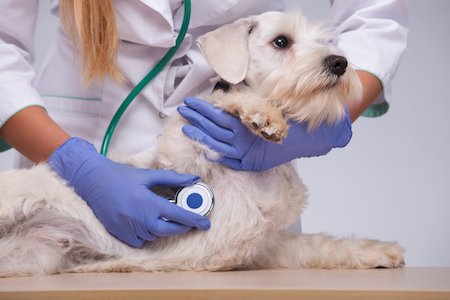
Understanding how anesthesia works and the safety measures veterinarians use can make the process feel much less mysterious. In most cases, your vet will perform a full physical exam and often run bloodwork before anesthesia to check liver and kidney function. These organs are responsible for processing anesthesia drugs, so it’s important they’re working well.
What Actually Happens During Dog Anesthesia
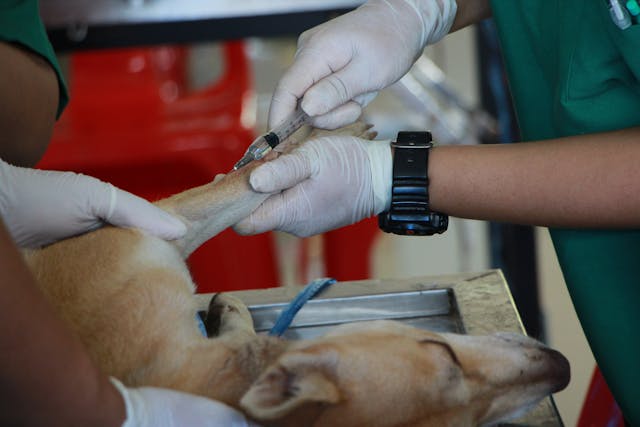
Anesthesia simply means your dog is put into a controlled state of unconsciousness so they won’t feel pain during surgery. Depending on the type of procedure, your vet may use a sedative first to help your dog relax, followed by an intravenous anesthetic to induce sleep. Once your dog is asleep, a breathing tube is placed, and oxygen mixed with anesthetic gas keeps them safely under for the procedure.
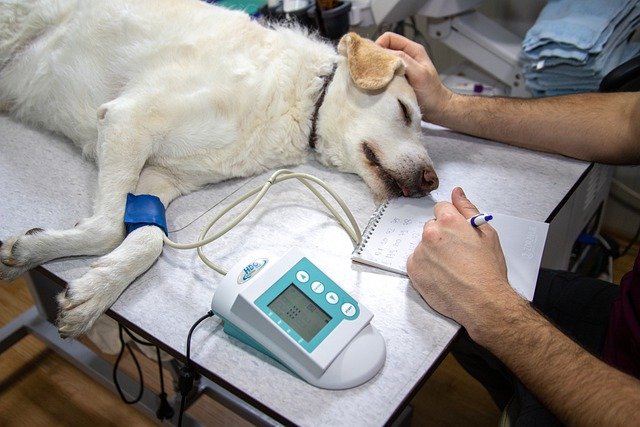
Throughout surgery, trained staff carefully monitor vital signs like heart rate, breathing, oxygen levels, and body temperature. These safeguards dramatically reduce risk, and most veterinary clinics have strict safety protocols that mirror those used in human medicine.
Common Concerns About Dog Anesthesia
Every anesthesia carries some risk, but for healthy pets, those risks are very small. Complications happen in less than one in a thousand cases. The risk can increase slightly for very old, very young, or medically fragile dogs, which is why the pre-anesthetic evaluation is so important.
Some dog parents worry about side effects afterward, such as grogginess, nausea, or disorientation. These are normal and usually temporary. Your vet will likely send you home with instructions on how to keep your pet warm, hydrated, and comfortable during recovery.
The most important thing to remember is that anesthesia is not something vets take lightly. They use the lowest effective dose for your dog’s size and health, and they have emergency medications and equipment on hand in case anything unexpected happens.
What to Ask Your Vet Before Surgery
Knowing what questions to ask can help you feel more confident and informed. Here are key topics to cover when talking to your vet about dog anesthesia risks:
- What type of anesthesia will my dog receive?
Ask whether it will be gas, intravenous, or a combination. Each has different recovery times and side effects. - How will my dog be monitored during surgery?
Make sure a trained technician will be watching vital signs the entire time. Ask what specific equipment is used for monitoring. - Is pre-anesthetic bloodwork recommended?
This test checks your dog’s organs to ensure they can safely handle anesthesia. Even young, healthy dogs benefit from it. - Will my dog receive pain medication before and after the procedure?
Pain management is essential for a smooth recovery. Ask what medications are used and what to expect when you bring your dog home. - What are the most common side effects after anesthesia?
Knowing what’s normal versus what’s a red flag helps you monitor your dog confidently at home. - What emergency measures are in place if something goes wrong?
Every reputable clinic should have a clear emergency plan. Don’t be afraid to ask for details. - Should I fast my dog before surgery?
Your vet will usually recommend no food for 8 to 12 hours before anesthesia, but water may be allowed. Always confirm the timing with your clinic. - What is the expected recovery time?
Some dogs bounce back within hours, while others may need a day or two to feel normal. Understanding the timeline helps you prepare.
Vets genuinely appreciate when pet parents ask thoughtful questions because it shows you’re proactive and care deeply about your pet’s safety. And, by having this conversation ahead of time, you’ll walk into the clinic feeling more informed and less anxious. That’s not only good for you, that’s great for your pup, who is going to look to you for comfort and security on surgery day.
How to Prepare Your Dog for Surgery Day
Helping your dog feel calm before surgery starts at home. Give them a quiet, stress-free evening before the procedure. Follow your vet’s fasting instructions carefully, and avoid giving any medications or supplements unless the vet says they’re okay.
Bring your dog’s favorite blanket or toy to the clinic if permitted. Familiar scents can help them feel more at ease. On the day of surgery, stay positive and calm. Dogs are remarkably sensitive to our emotions, so your energy can influence how relaxed they feel when you hand them over to the veterinary team.
After the procedure, your vet will let you know when your dog is ready to go home. The first 24 hours are usually the most delicate. Keep your pet warm, limit activity, and encourage small sips of water. Most dogs recover beautifully with just a little TLC.
Senior Dogs and Special Risks
If your dog is older or has health issues, you might be especially worried about anesthesia. It’s true that senior dogs can have a slightly higher risk, but modern veterinary medicine has made great strides in minimizing those concerns. Vets can tailor anesthesia plans to your dog’s specific health profile, using shorter-acting drugs or different combinations that are easier on the system.
Pre-surgical bloodwork and sometimes additional diagnostics like X-rays or heart exams help identify hidden issues before anesthesia. In many cases, the benefits of the procedure outweigh the small risk involved. Your vet will help you weigh those factors and decide what’s best for your dog’s well-being.
Reassurance for the Worried Pet Parent
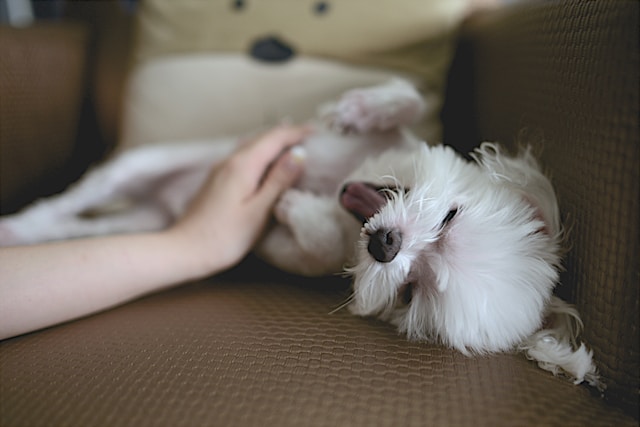
It’s completely normal to feel nervous about your dog being put under anesthesia. But remember, you’re not alone in that worry and your vet is on your team. Most veterinary teams handle anesthesia safely every single day, and they’re trained to respond quickly to even the slightest change during surgery.
By asking the right questions, preparing your dog carefully, and following all post-op instructions, you’re doing everything possible to support a smooth experience. The more you understand about dog anesthesia risks, the more confident you’ll feel when it’s time to trust your pet’s care team.
Final Thoughts
Anesthesia is one of those things that sounds scarier than it really is. In reality, it’s a carefully controlled medical process designed to keep your dog safe and pain-free during necessary procedures. While every surgery carries a bit of risk, most dogs come through anesthesia without a hitch and go on to recover quickly.
If your vet recommends a procedure that requires anesthesia, take a deep breath, ask your questions, and lean on their expertise. You’re your dog’s best advocate, and your awareness helps ensure the best care possible.
Thinking ahead can also protect your finances and peace of mind. Consider enrolling in a reliable pet insurance plan so you’re covered for surgery, anesthesia, and follow-up care if the need ever arises. It’s one of the best ways to safeguard both your heart and your wallet because when your dog’s health is on the line, you’ll want to focus on their comfort, not the cost.
Find & Compare the Top Pet Insurance Companies
Get Quotes for Your Dog
References:
- https://www.akc.org/expert-advice/health/what-to-know-about-anesthesia
- https://www.rvc.ac.uk/vetcompass/news/study-reveals-the-true-risks-of-anaesthesia-in-dogs
- https://vcahospitals.com/know-your-pet/anesthesia-for-dogs
- https://www.avma.org/resources-tools/pet-owners/petcare/when-your-pet-needs-anesthesia
Disclaimer
The information contained on this blog is intended for informational and educational purposes only and should not be construed as medical advice. It is not a substitute for professional veterinary care. Always consult with your veterinarian before making any changes to your pet's health care or treatment plan.
The authors of this blog are not veterinarians and do not claim to be experts in pet health. The information provided here is based on our own experiences and research, as well as information from reputable sources. However, we cannot guarantee the accuracy or completeness of this information.
We encourage you to do your own research and consult with your veterinarian before making any decisions about your pet's health.
Charitable Giving
With every pet insurance policy we generate, we do our bit to help less fortunate animals across Canada and the U.S. by making a donation to one of our chosen animal charities or rescue centres.
Compare top pet insurance providers plans.
Popular Articles
-
![Dog Personalities | 20 Dog Breeds & What Personality You Can Expect]() Dog Personalities | 20 Dog Breeds & What Personality You Can Expect
Dog Personalities | 20 Dog Breeds & What Personality You Can Expect
-
![Pitbull Weight and Growth Chart: Male, Female, and Puppy Growing Patterns]() Pitbull Weight and Growth Chart: Male, Female, and Puppy Growing Patterns
Pitbull Weight and Growth Chart: Male, Female, and Puppy Growing Patterns
-
![Beagle Weight and Growth Chart]() Beagle Weight and Growth Chart
Beagle Weight and Growth Chart
-
![Labrador Retriever Weight and Growth Chart: Male, Female and Puppy Growing Patterns]() Labrador Retriever Weight and Growth Chart: Male, Female and Puppy Growing Patterns
Labrador Retriever Weight and Growth Chart: Male, Female and Puppy Growing Patterns
-
![Shih Tzu Growth and Weight Chart]() Shih Tzu Growth and Weight Chart
Shih Tzu Growth and Weight Chart
-
![Cane Corso Weight and Growth Chart]() Cane Corso Weight and Growth Chart
Cane Corso Weight and Growth Chart
Enter your dog’s age in years and months to calculate their age equivalent to human years.
Calculate your dog’s ageEnter your cat’s age in years and months to calculate their age equivalent to human years.
Calculate your cat’s age