
The Science of Pet Happiness: Understanding Dog Happiness Chemicals
Posted: 10/30/2025 | BY: Jenna Bruce | Categories: Behavior , Dog , Top Tips
Have you ever watched your dog chase a ball, flop on their back for belly rubs, or wiggle their whole body when you walk through the door and wondered, What’s going on in that furry little brain? Well, it’s not just love and enthusiasm. It’s chemistry. Those joyful tail wags and goofy grins are powered by what scientists call dog happiness chemicals.
Understanding how these natural mood-boosters work can help you make your dog’s life even happier. And the best part? You can nurture them every single day with things you already do: playtime, snuggles, and good food.
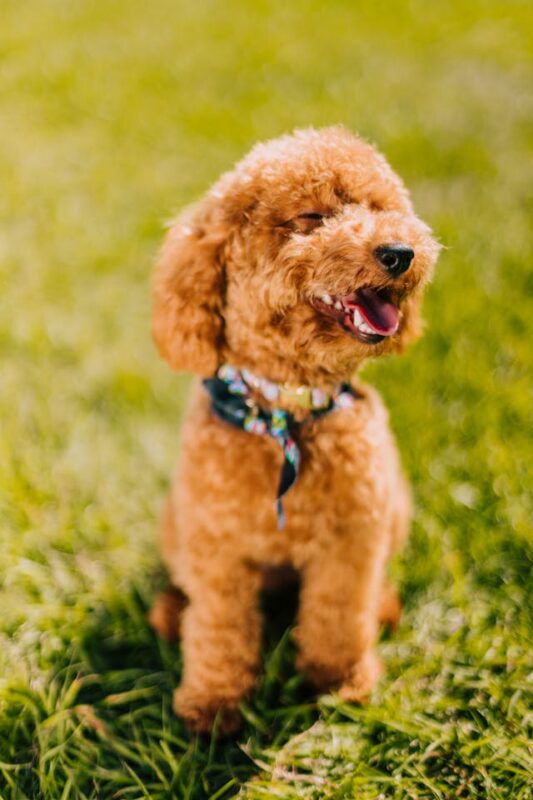
The Four Key Dog Happiness Chemicals
Just like humans, dogs have a cocktail of brain chemicals that affect how they feel. Let’s meet the stars of the show: serotonin, dopamine, oxytocin, and endorphins. Together, they’re the secret ingredients behind that sparkly look in your dog’s eyes.
1. Serotonin: The Mood Stabilizer
Serotonin is the steadying influence that keeps your dog calm, confident, and content. Think of it as the “it’s all good” chemical. Low serotonin levels can lead to anxiety or aggression, while balanced levels help dogs feel peaceful and secure.
How do you help boost serotonin? Sunlight helps, so those morning walks aren’t just for potty breaks. A healthy diet rich in quality protein also supports serotonin production since it’s made from tryptophan, an amino acid found in foods like turkey and salmon. Even gentle massage or brushing can release serotonin by soothing your pup’s nervous system.
2. Dopamine: The Motivation Molecule
Dopamine is all about reward and excitement. It’s what makes your dog’s tail wag faster when you reach for the leash or open the treat jar. Every time your dog achieves something – sitting on command, catching a ball, or simply getting attention – they get a burst of dopamine.
You can encourage healthy dopamine levels through consistent positive reinforcement. Training with treats and praise isn’t just about obedience; it’s a chemistry lesson in motivation. Keep your sessions short and upbeat so your dog associates learning with fun and reward.
3. Oxytocin: The Love Hormone
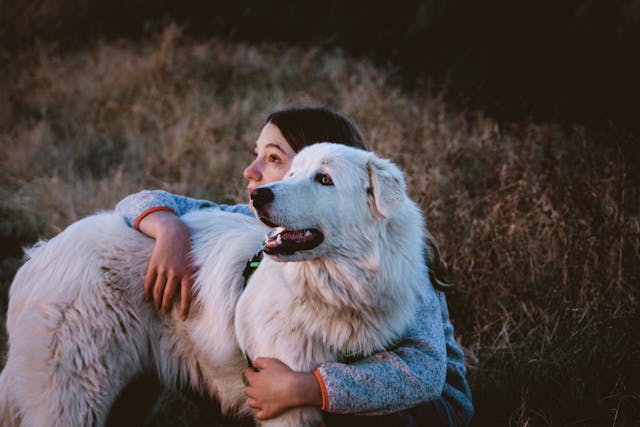
Oxytocin is what bonds you and your dog together. It’s released during cuddles, eye contact, and any form of affectionate touch. In fact, studies show that when dogs gaze into their owner’s eyes, both the dog and the human experience a spike in oxytocin. That’s right, your dog is literally high on love when they stare at you like you’re the best thing on earth.
Boosting oxytocin is simple: spend quality time together. Pet your dog, talk to them in that goofy voice you’d never use in public, and make eye contact often. Those moments of connection aren’t just cute; they’re biologically meaningful.
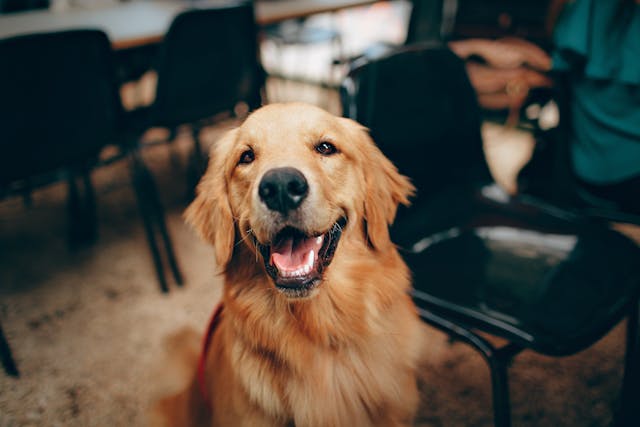
4. Endorphins: The Natural Painkillers
Endorphins are the body’s built-in pain and stress relievers. They’re released during exercise, play, and even laughter (yes, dogs can “laugh” through happy panting). Ever notice how your dog seems euphoric after a good romp at the park? That’s endorphins doing their job.
You can boost endorphins through physical activity, mental stimulation, and play. Let your dog run, sniff, and explore. Try new games or puzzle toys that engage their brain. A tired dog is a happy dog, but a mentally and physically stimulated dog is ecstatic.
Creating Daily Happiness Habits for Your Dog
Now that you know the chemistry behind those tail wags, let’s turn science into action. Here’s how to keep those dog happiness chemicals flowing all day long.
Start with a morning walk.
Sunlight triggers serotonin production and sets a positive tone for the day. Let your dog sniff around freely. Sniffing itself can increase dopamine because it’s mentally rewarding.
Feed the brain, not just the belly.
Choose high-quality food rich in protein and omega-3 fatty acids. These nutrients support brain health and help regulate mood. Small treats during training sessions add bonus dopamine bursts throughout the day.
Schedule daily play sessions.
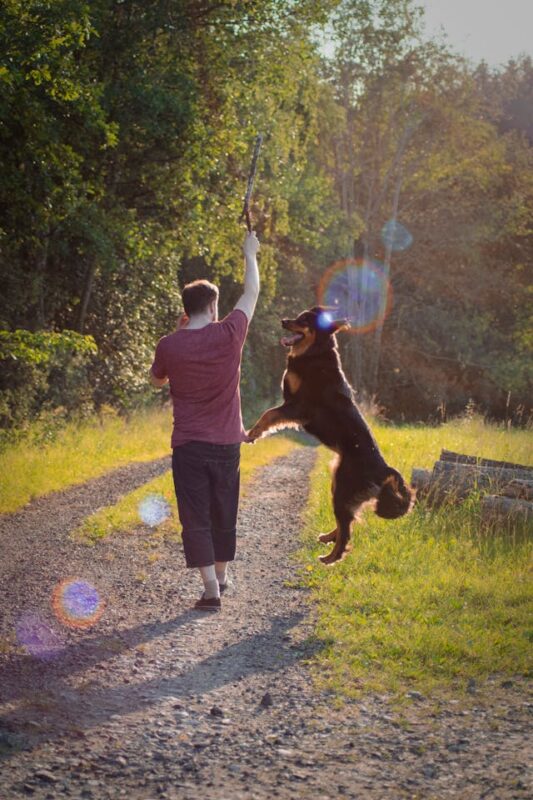
Fetch, tug-of-war, or chase games get those endorphins pumping. Change up your toys occasionally to keep things fresh and exciting. Even ten minutes of active play can lift your dog’s spirits (and yours too).
Make time for cuddles and connection.
Don’t underestimate the power of affection. Regular snuggle sessions release oxytocin and serotonin for both of you. Plus, dogs who feel loved are often more confident and well-behaved.
Encourage exploration.
Let your dog engage their senses. New environments, scents, and experiences stimulate mental activity and dopamine release. Rotate walking routes or bring your dog along on errands where pets are welcome.
Keep stress low.
Chronic stress can deplete those happiness chemicals. Keep your dog’s environment calm, predictable, and filled with positive experiences. Use gentle training methods and avoid scolding or punishment, which can spike cortisol, the stress hormone that works against all those feel-good chemicals.
Can Dogs Really Feel Joy Like Humans?
You bet they can. While dogs may not reflect on happiness the way people do, their brains function remarkably similarly when it comes to pleasure and bonding. In fact, studies using brain imaging show that dogs’ reward centers light up when they smell or see their favorite humans.
That means when you come home, your scent alone can trigger dopamine and oxytocin surges in your pup’s brain. So yes, your dog’s over-the-top excitement when you walk in the door is genuine, chemical joy.
The Big Picture: Happy Brain, Happy Life
Supporting your dog’s neurochemistry isn’t complicated. The formula is simple: good food, plenty of play, a bit of sunshine, and lots of love. When you engage your dog physically, mentally, and emotionally, you’re not just being a great pet parent. You’re literally shaping their brain chemistry for the better.
A balanced lifestyle helps regulate those dog happiness chemicals, resulting in a calmer, friendlier, and more resilient companion. And as every dog lover knows, a happy dog makes for a happier home.
Keep the Good Vibes Going with Pet Insurance
No matter how happy and healthy your dog is, life can be unpredictable. Pet insurance helps you protect that wagging tail from unexpected vet bills, accidents, or illnesses. It gives you peace of mind knowing you can always say yes to the care your pup needs so they can keep chasing tennis balls, cuddling on the couch, and living their best, tail-wagging life.
Because when it comes to your dog’s happiness, you’re not just nurturing their heart. You’re supporting their chemistry too.
Find & Compare the Top Pet Insurance Companies
Get Quotes for Your Dog
References:
- Gregory S. Berns, Andrew M. Brooks, Mark Spivak, Scent of the familiar: An fMRI study of canine brain responses to familiar and unfamiliar human and dog odors, Behavioural Processes, Volume 110, 2015, Pages 37-46, ISSN 0376-6357
- Marshall-Pescini S, Schaebs FS, Gaugg A, Meinert A, Deschner T, Range F. The Role of Oxytocin in the Dog-Owner Relationship. Animals (Basel). 2019 Oct 12;9(10):792. doi: 10.3390/ani9100792. PMID: 31614747; PMCID: PMC6826447.
- https://www.veterinarypaper.com/pdf/2018/vol3issue5/PartB/3-5-15-355.pdf
- https://www.rplustherapy.com/blog/harnessing-the-power-of-feel-good-chemicals-activities-to-do-with-your-dog-to-boost-mental-well-being
Disclaimer
The information contained on this blog is intended for informational and educational purposes only and should not be construed as medical advice. It is not a substitute for professional veterinary care. Always consult with your veterinarian before making any changes to your pet's health care or treatment plan.
The authors of this blog are not veterinarians and do not claim to be experts in pet health. The information provided here is based on our own experiences and research, as well as information from reputable sources. However, we cannot guarantee the accuracy or completeness of this information.
We encourage you to do your own research and consult with your veterinarian before making any decisions about your pet's health.
Charitable Giving
With every pet insurance policy we generate, we do our bit to help less fortunate animals across Canada and the U.S. by making a donation to one of our chosen animal charities or rescue centres.
Compare top pet insurance providers plans.
Popular Articles
-
![Dog Personalities | 20 Dog Breeds & What Personality You Can Expect]() Dog Personalities | 20 Dog Breeds & What Personality You Can Expect
Dog Personalities | 20 Dog Breeds & What Personality You Can Expect
-
![Pitbull Weight and Growth Chart: Male, Female, and Puppy Growing Patterns]() Pitbull Weight and Growth Chart: Male, Female, and Puppy Growing Patterns
Pitbull Weight and Growth Chart: Male, Female, and Puppy Growing Patterns
-
![Beagle Weight and Growth Chart]() Beagle Weight and Growth Chart
Beagle Weight and Growth Chart
-
![Labrador Retriever Weight and Growth Chart: Male, Female and Puppy Growing Patterns]() Labrador Retriever Weight and Growth Chart: Male, Female and Puppy Growing Patterns
Labrador Retriever Weight and Growth Chart: Male, Female and Puppy Growing Patterns
-
![Shih Tzu Growth and Weight Chart]() Shih Tzu Growth and Weight Chart
Shih Tzu Growth and Weight Chart
-
![Cane Corso Weight and Growth Chart]() Cane Corso Weight and Growth Chart
Cane Corso Weight and Growth Chart


Enter your dog’s age in years and months to calculate their age equivalent to human years.
Calculate your dog’s ageEnter your cat’s age in years and months to calculate their age equivalent to human years.
Calculate your cat’s age