
Why Positive Reinforcement Beats Punishment in Pet Training
Posted: 11/10/2025 | BY: Jenna Bruce | Categories: Behavior , Dog , Top Tips
Training our pets is one of the most rewarding parts of being a pet parent. Every trick learned, every good behavior reinforced, strengthens the bond between you and your fur baby. But the methods we choose can make a huge difference not only in how well our pets learn, but in how happy, confident, and well-adjusted they are. That’s why understanding why positive reinforcement beats punishment in pet training is so important for anyone who wants to raise a well-behaved and joyful pet.

What Positive Reinforcement Really Means
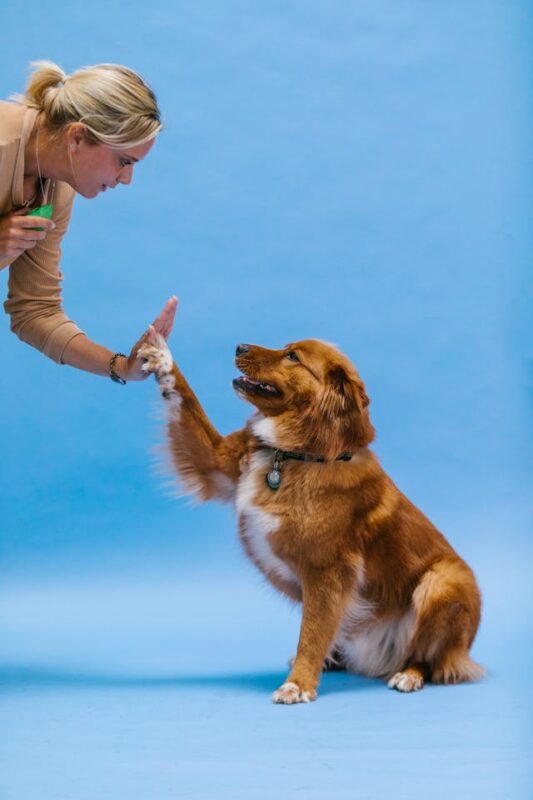
Positive reinforcement is all about rewarding the behaviors you want to see more often. That might mean giving your dog a treat when they sit on command, offering praise and belly rubs when your cat uses the scratching post, or giving a favorite toy for staying calm during a grooming session. The idea is simple: when good behavior is rewarded, it is more likely to be repeated.
This approach is very different from punishment-based training, where the focus is on stopping unwanted behavior through scolding, physical corrections, or unpleasant consequences (think shock collars). While punishment can sometimes suppress a behavior in the moment, it rarely teaches your pet what to do instead and can increase fear and anxiety.
Why Positive Reinforcement Works Better
Science shows us that pets respond better to reward-based methods than to punishment. A study published in Frontiers in Veterinary Science compared dogs trained with positive reinforcement to those trained with electronic collars, a form of negative reinforcement. Researchers found that dogs trained with reward-focused methods had better recall, learned faster, and experienced lower stress levels than dogs trained with punishment techniques.
Another review of dog training methods examined stress responses and overall welfare in pets. The researchers concluded that positive reinforcement methods consistently produced happier, more confident animals with fewer behavior problems. Punishment-based methods, on the other hand, were linked to higher anxiety, aggression, and a lack of trust between the dog and owner.
The science is clear: when we choose to reward desired behavior rather than punish undesired behavior, we are supporting not only learning but also our pets’ emotional well-being.
Benefits Beyond Learning
Positive reinforcement doesn’t just teach your dog or cat what to do, it strengthens your bond, encourages curiosity, and helps your pet feel safe exploring their environment. A pet that feels secure and confident is more likely to try new things, interact well with other animals, and respond calmly to new situations.
Punishment, by contrast, can create fear. Even if your pet stops doing something you dislike, they may do so out of anxiety rather than understanding. This fear can lead to aggression, withdrawal, or avoidance behaviors. Over time, pets trained with punishment may become less confident and less willing to interact with their humans or their environment.
How to Use Positive Reinforcement Effectively
- Timing is key: Reward your pet immediately after they perform the desired behavior so they connect the action with the reward.
- Use high-value rewards: Treats, toys, praise, or play can all work. Find what motivates your pet most and use it consistently.
- Be consistent: Everyone in the household should follow the same rules. Consistency helps your pet learn faster.
- Keep training sessions short and fun: Frequent, brief sessions work better than long, stressful ones.
- Shape behaviors gradually: Start with small steps, rewarding closer approximations of the desired behavior and gradually increasing expectations.
Positive reinforcement also works for more than just basic obedience. It’s effective for preventing problem behaviors like jumping on guests, chewing furniture, or scratching where they shouldn’t. By teaching your pet what to do rather than punishing them for mistakes, you are helping them learn in a safe and supportive way.

What This Means for Pet Parents
Choosing positive reinforcement over punishment isn’t just about training success. It’s about nurturing a happy, confident pet that trusts you and enjoys interacting with the world. Reward-based methods make training a joyful experience, rather than a stressful one for both pet and owner. When pets feel safe and understood, their natural intelligence and curiosity flourish.
It’s also worth noting that a pet’s emotional well-being affects their overall health. Pets that are stressed or fearful can be more prone to illness or behavioral problems, which can mean extra trips to the vet. By using gentle, science-backed methods like positive reinforcement, you are supporting your pet’s mental and physical health.
A Simple Shift Can Make a Big Difference
If you’ve been using punishment or negative reinforcement, it’s never too late to shift to a positive approach. Start by identifying one behavior you’d like to reinforce and find a reward your pet loves. Gradually replace old punishment techniques with rewards for desired behaviors. Over time, you’ll see improvements not only in behavior but in your pet’s overall happiness.
Remember that every pet is unique. Some respond faster than others, and learning is a lifelong process. Be patient, celebrate small successes, and enjoy the journey. Positive reinforcement makes training less of a chore and more of a way to connect, communicate, and celebrate your pet’s accomplishments.

Final Thoughts
Rewarding desired behaviors rather than punishing undesired ones creates a foundation of trust, confidence, and well-being in your pets. It is backed by scientific research and practical experience alike. Positive reinforcement leads to pets who are more eager to learn, more relaxed, and more emotionally balanced.
As a pet parent, you want to do everything you can to support your fur babies. Using positive reinforcement is one of the most powerful tools you have, and it’s a method that nurtures both learning and happiness.
Thinking ahead can also protect your pet’s health and your peace of mind. Consider enrolling in pet insurance to cover veterinary visits, behavioral consultations, and any unexpected health issues. It allows you to focus on your pet’s well-being and training without worrying about costs, ensuring your furry friend stays happy and healthy for years to come.
Thinking of insuring your pet?
Get Quotes & Compare
References:
- China L, Mills DS and Cooper JJ (2020) Efficacy of Dog Training With and Without Remote Electronic Collars vs. a Focus on Positive Reinforcement. Front. Vet. Sci. 7:508. doi: 10.3389/fvets.2020.00508
- Does training method matter? Evidence for the negative impact of aversive-based methods on companion dog welfare; Vieira de Castro AC, Fuchs D, Morello GM, Pastur S, de Sousa L, et al. (2020) Does training method matter? Evidence for the negative impact of aversive-based methods on companion dog welfare. PLOS ONE 15(12): e0225023
- https://vcahospitals.com/know-your-pet/using-reinforcement-and-rewards-to-train-your-pet
Disclaimer
The information contained on this blog is intended for informational and educational purposes only and should not be construed as medical advice. It is not a substitute for professional veterinary care. Always consult with your veterinarian before making any changes to your pet's health care or treatment plan.
The authors of this blog are not veterinarians and do not claim to be experts in pet health. The information provided here is based on our own experiences and research, as well as information from reputable sources. However, we cannot guarantee the accuracy or completeness of this information.
We encourage you to do your own research and consult with your veterinarian before making any decisions about your pet's health.
Charitable Giving
With every pet insurance policy we generate, we do our bit to help less fortunate animals across Canada and the U.S. by making a donation to one of our chosen animal charities or rescue centres.

Compare top pet insurance providers plans.
Popular Articles
-
![Dog Personalities | 20 Dog Breeds & What Personality You Can Expect]() Dog Personalities | 20 Dog Breeds & What Personality You Can Expect
Dog Personalities | 20 Dog Breeds & What Personality You Can Expect
-
![Pitbull Weight and Growth Chart: Male, Female, and Puppy Growing Patterns]() Pitbull Weight and Growth Chart: Male, Female, and Puppy Growing Patterns
Pitbull Weight and Growth Chart: Male, Female, and Puppy Growing Patterns
-
![Beagle Weight and Growth Chart]() Beagle Weight and Growth Chart
Beagle Weight and Growth Chart
-
![Labrador Retriever Weight and Growth Chart: Male, Female and Puppy Growing Patterns]() Labrador Retriever Weight and Growth Chart: Male, Female and Puppy Growing Patterns
Labrador Retriever Weight and Growth Chart: Male, Female and Puppy Growing Patterns
-
![Shih Tzu Growth and Weight Chart]() Shih Tzu Growth and Weight Chart
Shih Tzu Growth and Weight Chart
-
![Cane Corso Weight and Growth Chart]() Cane Corso Weight and Growth Chart
Cane Corso Weight and Growth Chart





Enter your dog’s age in years and months to calculate their age equivalent to human years.
Calculate your dog’s ageEnter your cat’s age in years and months to calculate their age equivalent to human years.
Calculate your cat’s age