
Why Is My Dog Losing Weight?
Posted: 09/22/2025 | BY: Jenna Bruce | Categories: Dog , Health problems , Pet care
Noticing your dog losing weight can be alarming. While some weight changes are normal due to age or seasonal activity, unexplained weight loss is often a sign of an underlying problem. Because dogs cannot tell us when something feels wrong, it is important to monitor their body and behavior closely. Understanding the possible causes, what you can do at home, and when to see a veterinarian will help your dog stay healthy and happy.
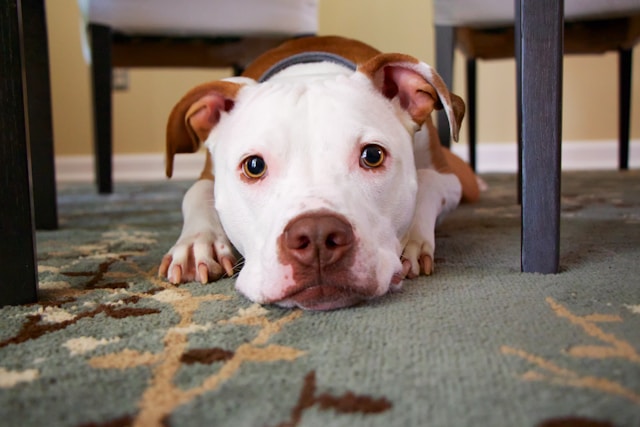
Is Weight Loss Normal in Dogs?
Some weight changes are expected. Senior dogs may slim down gradually as they lose muscle mass. Dogs who are more active may naturally burn more calories, leading to minor weight loss, while less active dogs may gain weight. These gradual changes are usually nothing to worry about.
However, sudden or significant weight loss, especially when paired with other symptoms, is a warning sign. If you can easily feel your dog’s ribs or see their hip bones more than before, it’s worth contacting your veterinarian.
Common Causes of a Dog Losing Weight
There are many reasons a dog might start losing weight, ranging from mild to serious. Some of the most common causes include:
1. Parasites
Intestinal parasites like roundworms, hookworms, or tapeworms can steal nutrients from food, causing weight loss even when your dog is eating normally. Puppies are especially vulnerable, but adult dogs can be affected as well.
2. Dental Problems
Pain from tooth decay, gum disease, or oral infections can make eating uncomfortable. Your dog may eat less or avoid hard food, leading to gradual weight loss.
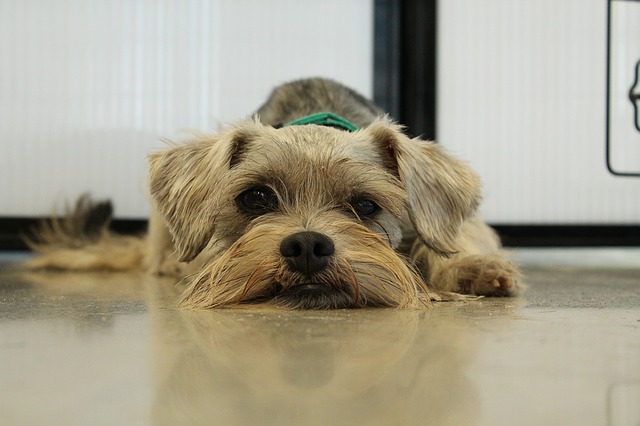
3. Digestive Disorders
Conditions such as inflammatory bowel disease, pancreatic insufficiency, or food intolerances interfere with nutrient absorption. Even with a healthy appetite, your dog may not get the calories and nutrients needed.
4. Metabolic Diseases
Illnesses like diabetes, kidney disease, liver disease, or hyperthyroidism can cause the body to burn calories too quickly or lose protein through urine. These conditions are often accompanied by excessive thirst, frequent urination, or changes in appetite.
5. Cancer
Certain cancers lead to weight loss as tumors use energy or interfere with digestion. Cancer-related weight loss is usually paired with other symptoms such as lethargy or reduced appetite.
6. Stress or Anxiety
Emotional health can affect weight. Dogs who are stressed due to changes in their environment, loss of a companion, or separation anxiety may eat less and begin to lose weight.
Signs to Watch For Along With Weight Loss
Weight loss alone can indicate a problem, but other signs help your veterinarian determine the cause. Look for:
- Increased thirst or urination
- Vomiting or diarrhea
- Lethargy or reluctance to exercise
- Dull coat or hair loss
- Bad breath or drooling
- Changes in appetite, either eating more or less
Providing your vet with these details will help identify the underlying issue faster.
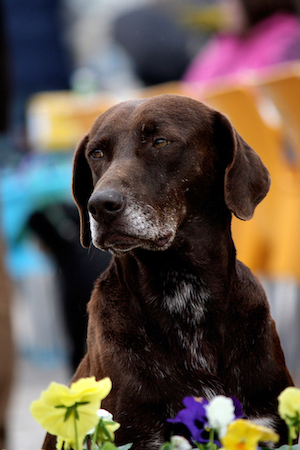
What to Do If Your Dog is Losing Weight
If you notice your dog losing weight, don’t wait to see if it corrects itself – schedule a veterinary appointment as soon as possible. Sudden or unexplained weight loss can be an early sign of underlying health concerns, so it’s important to act quickly. While you’re waiting for your appointment, there are a few steps you can take to help your veterinarian get the clearest picture:
- Keep a food journal: Write down exactly what your dog eats, how much, and when. Include details like treats, table scraps (be honest), or changes in brand or formula. This helps your vet rule out simple causes like reduced calorie intake or picky eating.
- Track weight at home: If possible, weigh your dog every few days on a pet scale or by holding them on a household scale and subtracting your weight. Consistent measurements can show whether weight loss is ongoing or stabilizing.
- Monitor stool quality: Changes in stool can reveal digestive issues. Take note of diarrhea, mucus, blood, or visible worms. Bringing a fresh stool sample to your vet appointment is always helpful.
- Watch energy levels and behavior: Is your dog more lethargic than usual? Drinking more water? Vomiting? Even small changes in habits can provide important diagnostic clues.
Documenting all of these observations will help your veterinarian quickly zero in on possible causes and decide what tests or treatments are necessary. The more detail you provide, the faster you can get to the root of the issue and help your pup feel better.
How Veterinarians Diagnose Weight Loss
At the clinic, your veterinarian will start with a physical exam and ask about diet, activity, and lifestyle changes. Tests may include:
- Fecal exams for parasites
- Bloodwork to check organ function and detect conditions like diabetes or hyperthyroidism
- Urinalysis for kidney or bladder problems
- X-rays or ultrasound if tumors or internal issues are suspected
Accurate diagnosis is key to treating the underlying cause of weight loss.

Treatment Options for a Dog Losing Weight
Once your vet determines the cause, treatment is tailored to your dog’s needs. Options include:
- Deworming for intestinal parasites
- Dental care including cleanings, extractions, or antibiotics
- Prescription diets or supplements for digestive disorders
- Medications to manage metabolic diseases
- Appetite stimulants if your dog is reluctant to eat
- Cancer therapies if tumors are identified
With proper treatment, many dogs regain weight and return to their normal energy levels.
Helping Your Dog Gain Weight Safely
If your veterinarian clears your dog of serious illness but recommends weight gain, there are safe ways to help:
- Feed smaller, more frequent meals
- Offer high-quality food with higher protein and fat content
- Add healthy toppers like boiled chicken, salmon, or pumpkin
- Provide calorie-dense treats in moderation
- Create stress-free mealtimes so your dog feels comfortable eating
Avoid simply overfeeding, as sudden weight gain can cause digestive issues. And remember, these are just general guidelines. Always follow the guidance of your trusted veterinarian.
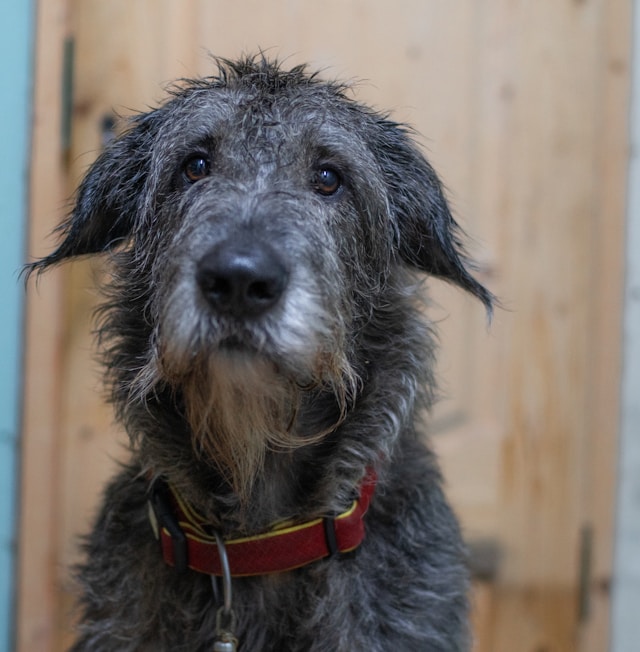
Preventing Future Weight Loss
You can help prevent weight loss issues by scheduling regular wellness exams, maintaining parasite prevention, and monitoring appetite and body condition. Older dogs benefit from twice-yearly checkups to catch problems early. Maintaining healthy exercise habits and a balanced diet also reduces the risk of sudden weight loss.
Why Pet Insurance Can Help
Unexplained weight loss often requires diagnostic tests, medications, and ongoing treatment. Pet insurance can offset these costs, making it easier to provide your dog with the care they need. Enrolling in a plan ensures you can cover expenses whether your pup is losing weight due to parasites, dental disease, or a more serious condition.
Find & Compare the Top Pet Insurance Companies
Get Quotes for Your Dog
Final Word
Seeing your dog losing weight can be concerning, but early observation, careful monitoring, and veterinary care can make a huge difference. By tracking changes, identifying symptoms, and acting quickly, you help your dog regain strength and maintain a healthy life. Pairing this care with pet insurance ensures that you can always provide the best for your pup, no matter what challenges arise.
References:
- https://www.petmd.com/dog/symptoms/why-your-dog-is-losing-weight
- https://vcahospitals.com/know-your-pet/weight-loss-abnormal-in-dogs
- https://www.vet.cornell.edu/departments-centers-and-institutes/riney-canine-health-center/canine-health-information/obesity-and-weight-loss-dogs
- https://www.veterinaryemergencygroup.com/post/dog-losing-weight
Disclaimer
The information contained on this blog is intended for informational and educational purposes only and should not be construed as medical advice. It is not a substitute for professional veterinary care. Always consult with your veterinarian before making any changes to your pet's health care or treatment plan.
The authors of this blog are not veterinarians and do not claim to be experts in pet health. The information provided here is based on our own experiences and research, as well as information from reputable sources. However, we cannot guarantee the accuracy or completeness of this information.
We encourage you to do your own research and consult with your veterinarian before making any decisions about your pet's health.
Charitable Giving
With every pet insurance policy we generate, we do our bit to help less fortunate animals across Canada and the U.S. by making a donation to one of our chosen animal charities or rescue centres.
Compare top pet insurance providers plans.
Popular Articles
-
![Dog Personalities | 20 Dog Breeds & What Personality You Can Expect]() Dog Personalities | 20 Dog Breeds & What Personality You Can Expect
Dog Personalities | 20 Dog Breeds & What Personality You Can Expect
-
![Pitbull Weight and Growth Chart: Male, Female, and Puppy Growing Patterns]() Pitbull Weight and Growth Chart: Male, Female, and Puppy Growing Patterns
Pitbull Weight and Growth Chart: Male, Female, and Puppy Growing Patterns
-
![Beagle Weight and Growth Chart]() Beagle Weight and Growth Chart
Beagle Weight and Growth Chart
-
![Labrador Retriever Weight and Growth Chart: Male, Female and Puppy Growing Patterns]() Labrador Retriever Weight and Growth Chart: Male, Female and Puppy Growing Patterns
Labrador Retriever Weight and Growth Chart: Male, Female and Puppy Growing Patterns
-
![Shih Tzu Growth and Weight Chart]() Shih Tzu Growth and Weight Chart
Shih Tzu Growth and Weight Chart
-
![Cane Corso Weight and Growth Chart]() Cane Corso Weight and Growth Chart
Cane Corso Weight and Growth Chart


Enter your dog’s age in years and months to calculate their age equivalent to human years.
Calculate your dog’s ageEnter your cat’s age in years and months to calculate their age equivalent to human years.
Calculate your cat’s age