
Dog Sprained Leg Symptoms: How to Spot, Treat, and Prevent Injury
Posted: 09/22/2025 | BY: Jenna Bruce | Categories: Dog , Health problems , Pet care
If your dog suddenly starts limping after a game of fetch or a lively run in the yard, it’s natural to worry. One possible explanation is a sprain, which happens when the ligaments in your dog’s leg are stretched or injured. Recognizing dog sprained leg symptoms early can make a big difference in how quickly your pup recovers. By learning the signs, knowing what to do at home, and understanding when to seek veterinary care, you can help your dog heal safely and comfortably.
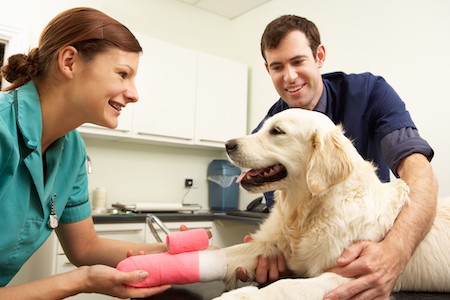
What is a Sprain in Dogs?
A sprain occurs when the ligaments that connect bones in a joint are overstretched or torn. Dogs most often sprain their wrists, ankles, or knees. Unlike fractures, sprains do not involve broken bones, but they can still cause pain and limit mobility. If untreated, a sprain can sometimes lead to long-term weakness or recurring injuries. That’s why recognizing symptoms early is so important.
Common Causes of Dog Sprained Legs
There are many ways a dog can end up with a sprained leg:
- Overexertion: Intense play sessions or long runs can strain joints.
- Slips or falls: Stairs, slick floors, or uneven terrain can lead to injury.
- Jumping from heights: Leaping off furniture or out of cars puts stress on legs.
- Rough play: Wrestling or chasing other dogs sometimes causes awkward twists.
- Excess weight: Overweight dogs put more pressure on their joints, raising the risk of sprains.
- Age-related weakness: Older dogs may have weaker joints, making them more vulnerable.
Dog Sprained Leg Symptoms to Watch For
Since dogs cannot tell us when something is wrong, it’s important to recognize the warning signs. Look for:
- Limping or favoring one leg
- Swelling near the joint
- Whining, yelping, or sensitivity when touched
- Stiffness, especially after rest
- Refusing to climb stairs or jump
- Licking or chewing at the painful area
- Changes in posture, such as holding a paw off the ground
These dog sprained leg symptoms may also signal more serious injuries such as fractures or ligament tears, so close observation and veterinary advice are essential.
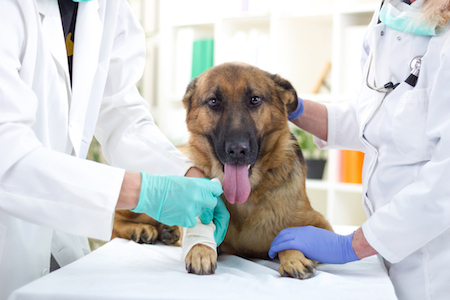
First Aid for a Sprained Leg at Home
If you notice dog sprained leg symptoms, you can take a few simple steps while arranging veterinary care:
- Limit activity: Stop walks, runs, or jumping to avoid worsening the injury.
- Apply a cold compress: A wrapped ice pack on the affected area for 10–15 minutes can reduce swelling.
- Encourage rest: Provide a soft, quiet resting spot where your dog feels safe.
- Keep them calm: Some dogs may get restless, so provide toys or chew items that keep them entertained while resting.
- Monitor closely: Track changes in swelling, mobility, or behavior.
These measures may bring temporary relief, but a veterinarian should always confirm the diagnosis.
When to Call the Vet
Sometimes a sprain can heal with rest, but other times medical care is necessary. Schedule a vet visit if:
- Your dog refuses to bear weight on the leg
- Swelling worsens after a day or two
- Pain appears severe or your dog cries/whimpers frequently
- Symptoms last longer than a couple of days
- You notice changes in appetite, mood, or overall energy
Your vet may recommend X-rays or other imaging to rule out fractures or ligament tears. Treatment can include rest, anti-inflammatory medication, physical therapy, or surgery in more severe cases.
Helping Your Dog Recover
Once your veterinarian confirms a sprain, you can help speed recovery with the right support:
- Stick to rest guidelines: Don’t let your dog return to play too soon. Healing requires patience.
- Use short, slow walks: Controlled activity prevents stiffness without straining the leg.
- Offer joint supplements: Glucosamine and chondroitin may support healing and long-term health.
- Maintain a healthy weight: Less weight means less strain on joints.
- Add traction at home: Rugs or mats help prevent slips on smooth floors.
- Create a safe space: Block off stairs or furniture your dog might try to jump on.
Most dogs with mild sprains recover in a few weeks with proper care and rest. Severe sprains may take longer, especially in older dogs.
How to Prevent Sprains in the Future
While not all accidents are preventable, you can reduce the risk of sprains with a few lifestyle adjustments:
- Keep your dog fit but not overworked: Regular, moderate exercise strengthens muscles that protect joints.
- Warm up with short walks: Just like humans, dogs benefit from easing into activity.
- Maintain a healthy weight: Even a few extra pounds can put stress on a dog’s joints.
- Provide ramps for cars and furniture: This reduces the impact of jumping, especially for senior pups with mobility issues.
- Choose safe play surfaces: Grass or padded flooring is gentler than concrete or slippery wood floors.
- Monitor high-energy dogs closely: Breeds that love to sprint or leap may need extra supervision.
Myths About Sprained Legs in Dogs
Pet parents sometimes confuse sprains with other issues. Here are a few common myths:
- “If my dog can walk, it’s not serious.” Dogs often push through pain. Limping or stiffness still signals a problem.
- “Rest alone will always fix it.” Some injuries require medical care to heal properly.
- “Sprains only happen to big dogs.” Small breeds can sprain their legs too, especially when jumping from furniture.
Knowing the truth helps you respond quickly and appropriately.

Why Pet Insurance Matters
Even minor injuries like sprains can lead to unexpected vet bills, especially if X-rays, pain medication, or physical therapy are involved. Pet insurance helps cover these costs so you can make decisions based on your dog’s health, not your budget. By enrolling in a plan, you’ll have peace of mind knowing your pup is protected whether they face a sprain, a more serious leg injury, or any other health concern.
Final Word
Dog sprained leg symptoms should never be ignored. By spotting the signs early, taking quick action at home, and working with your veterinarian, you can help your dog heal comfortably and return to their happy, active self. Pairing this care with pet insurance ensures you’re always prepared to provide the best for your pup, no matter what surprises life brings.
Find & Compare the Top Pet Insurance Companies
Get Quotes for Your Dog
References:
https://www.veterinaryemergencygroup.com/post/6-signs-sprained-leg-in-dogs
https://www.petmd.com/dog/conditions/musculoskeletal/sprains-and-strains-dogs
https://www.akc.org/expert-advice/health/orthopedic-problems-dogs/
Disclaimer
The information contained on this blog is intended for informational and educational purposes only and should not be construed as medical advice. It is not a substitute for professional veterinary care. Always consult with your veterinarian before making any changes to your pet's health care or treatment plan.
The authors of this blog are not veterinarians and do not claim to be experts in pet health. The information provided here is based on our own experiences and research, as well as information from reputable sources. However, we cannot guarantee the accuracy or completeness of this information.
We encourage you to do your own research and consult with your veterinarian before making any decisions about your pet's health.
Charitable Giving
With every pet insurance policy we generate, we do our bit to help less fortunate animals across Canada and the U.S. by making a donation to one of our chosen animal charities or rescue centres.
Compare top pet insurance providers plans.
Popular Articles
-
![Dog Personalities | 20 Dog Breeds & What Personality You Can Expect]() Dog Personalities | 20 Dog Breeds & What Personality You Can Expect
Dog Personalities | 20 Dog Breeds & What Personality You Can Expect
-
![Pitbull Weight and Growth Chart: Male, Female, and Puppy Growing Patterns]() Pitbull Weight and Growth Chart: Male, Female, and Puppy Growing Patterns
Pitbull Weight and Growth Chart: Male, Female, and Puppy Growing Patterns
-
![Beagle Weight and Growth Chart]() Beagle Weight and Growth Chart
Beagle Weight and Growth Chart
-
![Labrador Retriever Weight and Growth Chart: Male, Female and Puppy Growing Patterns]() Labrador Retriever Weight and Growth Chart: Male, Female and Puppy Growing Patterns
Labrador Retriever Weight and Growth Chart: Male, Female and Puppy Growing Patterns
-
![Shih Tzu Growth and Weight Chart]() Shih Tzu Growth and Weight Chart
Shih Tzu Growth and Weight Chart
-
![Cane Corso Weight and Growth Chart]() Cane Corso Weight and Growth Chart
Cane Corso Weight and Growth Chart



Enter your dog’s age in years and months to calculate their age equivalent to human years.
Calculate your dog’s ageEnter your cat’s age in years and months to calculate their age equivalent to human years.
Calculate your cat’s age