
Why Do Some Cats Have Extra Toes? A Fun Look at Polydactyl Cats
Posted: 01/07/2026 | BY: Jenna Bruce | Categories: Cat , Pet care , Top Tips
If you have ever looked down at your cat’s paws and thought, wait… are there more toes than there should be? You are not imagining things. One of the most common questions curious cat parents ask is why do some cats have extra toes? The answer is a mix of genetics, history, and a little feline magic that makes these cats even more lovable.
Cats with extra toes often look like they are wearing mittens or tiny snow boots, and once you notice it, you cannot unsee it. These cats are known for their oversized paws, quirky charm, and sometimes surprisingly impressive climbing skills. But extra toes are not random, and they are not a defect. They are a natural variation that has been around for generations.
Let’s dig into what is really going on inside those adorable paws.
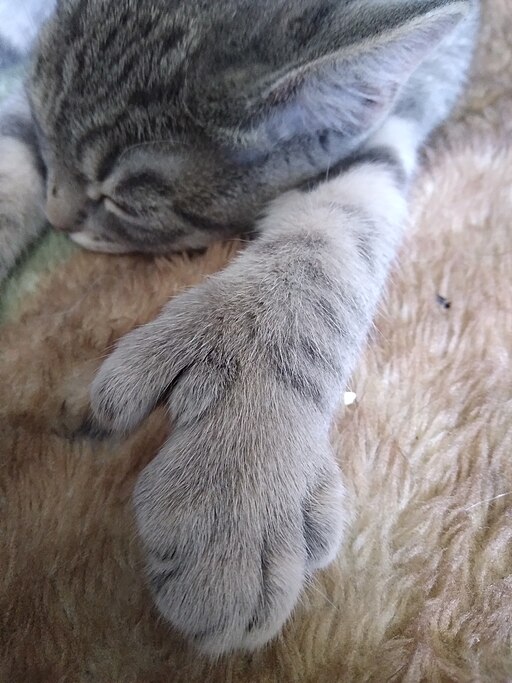
Bobjgalindo, CC BY-SA 4.0, via Wikimedia Commons
What are cats with extra toes called?
The official term for cats with extra toes is polydactyl cats. The word polydactyl simply means many digits. Most cats have eighteen toes in total, with five on each front paw and four on each back paw. A polydactyl cat has more than that, usually extra toes on the front paws, although some have extras on the back paws too.
Some cats have one extra toe. Others have several. In rare cases, a cat can have as many as seven toes on a single paw. While it might look unusual, it is a recognized genetic trait and not a medical condition by itself.
Why do some cats have extra toes?
The short answer to why do some cats have extra toes is genetics.
Polydactylism is caused by a dominant gene mutation. That means a kitten only needs to inherit the gene from one parent to develop extra toes. If one parent is polydactyl, there is a strong chance some of the kittens in the litter will also have extra toes.
This mutation affects how the paws form during early development in the womb. Instead of stopping at the typical number of toes, the process continues just a bit longer, creating additional digits.
Because the gene is dominant, once it appears in a population, it can spread easily, especially in isolated areas or breeding lines where cats tend to mate within the same group.
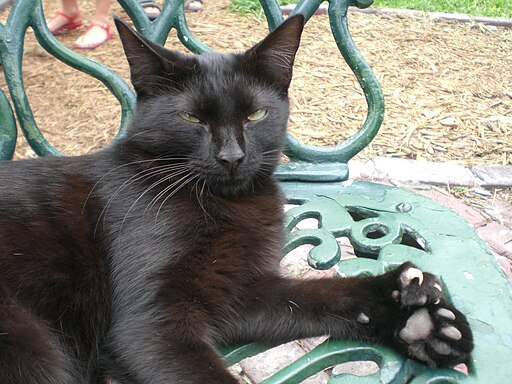
Averette at English Wikipedia, CC BY 3.0, via Wikimedia Commons
A little history behind those extra toes
Polydactyl cats are not new, and their history is part of what makes them so fascinating.
Sailors once believed cats with extra toes were good luck. Their larger paws were thought to help them balance better on ships and climb rigging more easily. Because of this belief, polydactyl cats were often kept aboard ships and traveled with sailors from port to port.
This is one reason why polydactyl cats are more common in coastal regions, especially along the eastern United States and parts of Canada. The gene became well established in these areas and continues to show up generations later.
One famous fan of polydactyl cats was Ernest Hemingway. His home in Key West became a sanctuary for cats with extra toes, and many of the cats living there today are descendants of his original polydactyl cat.
Are cats with extra toes rare?
They are unusual, but not rare in a concerning way.
In some regions, polydactyl cats are fairly common. In others, they are less frequently seen, which makes them feel special when you encounter one. Because the gene is dominant, it does not disappear easily once it enters a population.
So if you are wondering whether your cat is one of a kind, the answer is yes and no. Polydactyl cats are not unheard of, but each one has its own unique paw pattern, which makes every set of extra toes a little different.

Jamesishere, CC BY-SA 3.0, via Wikimedia Commons
Do extra toes cause health problems?
This is often the biggest concern behind the question why do some cats have extra toes.
The good news is that extra toes alone usually do not cause health issues. Most polydactyl cats live completely normal, healthy lives and never experience problems related to their paws.
That said, there are a few things to watch for. Extra toes can sometimes mean extra claws, and those claws may grow at unusual angles. This can make them more likely to snag on carpets or furniture if they are not trimmed regularly.
In rare cases, the structure of the paw may affect how a cat walks or distributes weight, especially if the toes are fused or poorly formed. Regular vet checkups help ensure everything is growing and functioning as it should.
Do extra toes change a cat’s personality?
There is no scientific evidence that extra toes change a cat’s personality, but many cat parents swear polydactyl cats have extra charm to match their extra digits.
These cats are often described as confident, playful, and especially good at using their paws. Some polydactyl cats can open doors, grab toys with surprising precision, or climb with impressive control.
While the personality traits are anecdotal, one thing is certain. Extra toes tend to make cats more memorable, and people often form an instant bond when they notice those oversized paws.
How to care for a cat with extra toes
Caring for a polydactyl cat is not much different from caring for any other cat, with a few small additions.
Pay attention to nail trimming. Make sure you know how many claws your cat has, since extra toes mean extra nails that can be easy to miss.
Check paws regularly. Look for signs of irritation, swelling, or broken nails, especially if your cat spends time climbing or scratching.
Keep an eye on mobility. If your cat ever seems uncomfortable walking or jumping, it is worth checking in with your vet.
Most importantly, treat those extra toes as a feature, not a flaw. They are part of what makes your cat who they are.
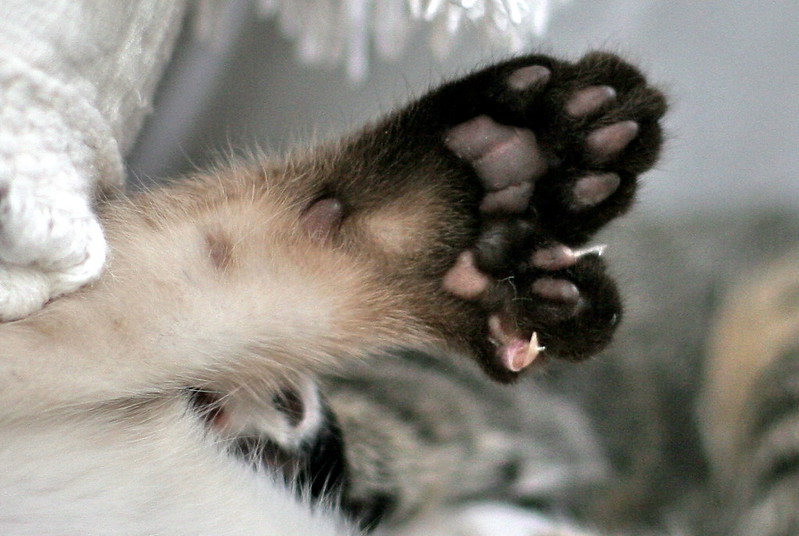
Why understanding genetics matters for cat parents
Learning why do some cats have extra toes is not just a fun fact. It helps cat parents understand that physical differences are often normal variations, not something to fear.
Genetics play a role in everything from coat color to eye shape to paw structure. When we understand that, we are better equipped to advocate for our pets, ask the right questions at the vet, and notice when something truly is out of the ordinary.
A final thought on protection and peace of mind
Whether your cat has the standard number of toes or a few bonus ones, unexpected health issues can still happen. Accidents, illnesses, and emergencies do not check paw counts before showing up.
That is where pet insurance can make a real difference. Having coverage means you can focus on your cat’s comfort and care, not the financial stress of surprise vet bills. For cats with unique traits or just uniquely mischievous personalities, that peace of mind is worth a lot.
If you love your cat’s extra toes, consider protecting the rest of them too. Exploring pet insurance options today can help ensure many healthy, happy years together, mittens and all.
Find & Compare the Top Pet Insurance Companies
Get Quotes for Your Cat
References:
- https://www.petmd.com/cat/general-health/polydactyl-cats
- https://en.wikipedia.org/wiki/Polydactyl_cat
- https://www.thesprucepets.com/polydactyl-cats-4175908
Disclaimer
The information contained on this blog is intended for informational and educational purposes only and should not be construed as medical advice. It is not a substitute for professional veterinary care. Always consult with your veterinarian before making any changes to your pet's health care or treatment plan.
The authors of this blog are not veterinarians and do not claim to be experts in pet health. The information provided here is based on our own experiences and research, as well as information from reputable sources. However, we cannot guarantee the accuracy or completeness of this information.
We encourage you to do your own research and consult with your veterinarian before making any decisions about your pet's health.
Charitable Giving
With every pet insurance policy we generate, we do our bit to help less fortunate animals across Canada and the U.S. by making a donation to one of our chosen animal charities or rescue centres.
Compare top pet insurance providers plans.
Popular Articles
-
![Dog Personalities | 20 Dog Breeds & What Personality You Can Expect]() Dog Personalities | 20 Dog Breeds & What Personality You Can Expect
Dog Personalities | 20 Dog Breeds & What Personality You Can Expect
-
![Pitbull Weight and Growth Chart: Male, Female, and Puppy Growing Patterns]() Pitbull Weight and Growth Chart: Male, Female, and Puppy Growing Patterns
Pitbull Weight and Growth Chart: Male, Female, and Puppy Growing Patterns
-
![Beagle Weight and Growth Chart]() Beagle Weight and Growth Chart
Beagle Weight and Growth Chart
-
![Labrador Retriever Weight and Growth Chart: Male, Female and Puppy Growing Patterns]() Labrador Retriever Weight and Growth Chart: Male, Female and Puppy Growing Patterns
Labrador Retriever Weight and Growth Chart: Male, Female and Puppy Growing Patterns
-
![Shih Tzu Growth and Weight Chart]() Shih Tzu Growth and Weight Chart
Shih Tzu Growth and Weight Chart
-
![Cane Corso Weight and Growth Chart]() Cane Corso Weight and Growth Chart
Cane Corso Weight and Growth Chart







Enter your dog’s age in years and months to calculate their age equivalent to human years.
Calculate your dog’s ageEnter your cat’s age in years and months to calculate their age equivalent to human years.
Calculate your cat’s age