
What to Ask Your Vet About Steroid Use in Pets
Posted: 08/25/2025 | BY: Jenna Bruce | Categories: Cat , Dog , Pet care
If your pet has been prescribed steroids, you may feel a little nervous or unsure. Steroids can be very effective for treating inflammation, allergies, autoimmune issues, and other conditions like cancer, but it is natural to wonder about the benefits and possible side effects. That is why knowing what to ask your vet about steroid use in pets is so important.
While steroids, including prednisone and other medications can provide quick relief for uncomfortable symptoms, they can also have effects on appetite, thirst, energy levels, and even long-term health. Understanding how they work and what to expect is key to helping your pet stay happy and healthy while on medication.

Why Your Pet Might Be Prescribed Steroids
The first thing to ask your vet is why steroids are recommended for your pet. Some common reasons include allergic reactions, skin conditions, arthritis, asthma, autoimmune disease, and other inflammatory conditions. Understanding the purpose of the treatment will help you make informed choices and know what outcomes to expect.
How Steroids Work
It is helpful to know how steroids function in your pet’s body. Steroids reduce inflammation by altering the immune system’s response. This can quickly ease pain, itching, or swelling. Depending on the condition, your veterinarian might prescribe a short-term course or a longer-term treatment plan. Asking your vet how steroids specifically help your pet’s condition will give you peace of mind and a clearer picture of what to expect.
Possible Benefits and Outcomes
Many pets respond very well to steroid therapy. Some show rapid relief from discomfort, increased energy, and improved appetite. Asking your vet about what improvements you should notice and how soon they should appear is an important question. It also helps you track progress and know when the treatment is working effectively.
Common Side Effects
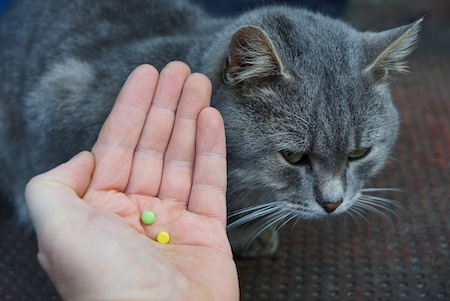
Even though steroids can be very helpful, they are not without side effects. Some pets may experience increased thirst and urination, increased hunger, panting, or temporary behavioral changes. Long-term use can sometimes affect the liver, kidneys, or immune system. Asking your vet about common side effects in pets similar to yours, including any breed-specific risks, can help you stay vigilant and manage your pet’s care safely.
How to Administer Steroids
It is essential to ask about the correct way to give steroids to your pet. Questions to consider include whether the medication should be given with food, what to do if a dose is missed, and how to store it properly. Clear instructions help prevent accidental overdosing or underdosing, which can impact your pet’s health and the effectiveness of the treatment.
Monitoring While on Steroids
Your veterinarian should guide you on how to monitor your pet while they are taking steroids. This might include follow-up appointments, blood work, or other checks to ensure your pet is responding well and not developing adverse effects. Asking what signs to watch for at home, both subtle and obvious, will help you act quickly if something changes.

Duration of Treatment
Steroid courses can be short-term or long-term, depending on your pet’s condition. It is important to ask your vet how long your pet is expected to be on steroids and what the plan will be for tapering the dose if it is a long-term treatment. Tapering is often necessary to prevent withdrawal symptoms and ensure the medication is stopped safely.
Alternatives and Complementary Treatments
Some pet parents want to know whether there are alternatives or complementary therapies that can reduce reliance on steroids. Ask your veterinarian about other medications, lifestyle changes, joint supplements, diet adjustments, or natural remedies that may support your pet’s health alongside or instead of steroid use. This conversation can help you make choices that balance effectiveness with long-term safety.
Questions to Track Progress
It is helpful to have specific questions to track how well steroids are working. Ask your vet what signs of improvement to watch for, such as better mobility, reduced itching, less swelling, or improved breathing. Keeping a simple journal of your pet’s symptoms and behavior changes can help you and your veterinarian make informed decisions about adjusting the treatment plan.
Safety and Emergency Signs
Even with careful monitoring, it is important to know what requires immediate attention. Ask your vet about red flags or emergency symptoms that mean you should call right away. This might include vomiting, diarrhea, severe lethargy, or signs of an allergic reaction. Being prepared ensures your pet stays safe while on steroids.

Long-Term Considerations
For pets that require chronic steroid therapy, discussing the long-term implications is critical. Ask your veterinarian about regular health checks, blood tests, and strategies to minimize risks over time. Knowing what to expect for the future helps you feel prepared and confident in your care plan.
Final Thoughts
Knowing what to ask your vet about steroid use in pets is one of the best ways to protect your furry friend and ensure the treatment is as safe and effective as possible. By asking clear questions about the purpose, benefits, risks, administration, monitoring, and long-term considerations, you can feel empowered and confident in your decisions. Every pet is unique, and a good conversation with your veterinarian will help tailor the treatment to your pet’s needs.
Pet care can be expensive, especially when medications, monitoring, and follow-up visits are involved. Pet insurance can provide peace of mind by helping cover the costs of treatments like steroid therapy, blood work, and veterinary consultations. Exploring pet insurance options today can help you give your pet the care they need without added financial stress.
Thinking of insuring your pet?
Get Quotes & Compare
References:
- https://vcahospitals.com/know-your-pet/steroid-treatment-long-term-effects-in-dogs
- https://veterinarypartner.vin.com/default.aspx?pid=19239&id=4952031
- https://www.ndsr.co.uk/information-sheets/steroid-therapy/
Disclaimer
The information contained on this blog is intended for informational and educational purposes only and should not be construed as medical advice. It is not a substitute for professional veterinary care. Always consult with your veterinarian before making any changes to your pet's health care or treatment plan.
The authors of this blog are not veterinarians and do not claim to be experts in pet health. The information provided here is based on our own experiences and research, as well as information from reputable sources. However, we cannot guarantee the accuracy or completeness of this information.
We encourage you to do your own research and consult with your veterinarian before making any decisions about your pet's health.
Charitable Giving
With every pet insurance policy we generate, we do our bit to help less fortunate animals across Canada and the U.S. by making a donation to one of our chosen animal charities or rescue centres.

Compare top pet insurance providers plans.
Popular Articles
-
![Dog Personalities | 20 Dog Breeds & What Personality You Can Expect]() Dog Personalities | 20 Dog Breeds & What Personality You Can Expect
Dog Personalities | 20 Dog Breeds & What Personality You Can Expect
-
![Pitbull Weight and Growth Chart: Male, Female, and Puppy Growing Patterns]() Pitbull Weight and Growth Chart: Male, Female, and Puppy Growing Patterns
Pitbull Weight and Growth Chart: Male, Female, and Puppy Growing Patterns
-
![Beagle Weight and Growth Chart]() Beagle Weight and Growth Chart
Beagle Weight and Growth Chart
-
![Labrador Retriever Weight and Growth Chart: Male, Female and Puppy Growing Patterns]() Labrador Retriever Weight and Growth Chart: Male, Female and Puppy Growing Patterns
Labrador Retriever Weight and Growth Chart: Male, Female and Puppy Growing Patterns
-
![Shih Tzu Growth and Weight Chart]() Shih Tzu Growth and Weight Chart
Shih Tzu Growth and Weight Chart
-
![Cane Corso Weight and Growth Chart]() Cane Corso Weight and Growth Chart
Cane Corso Weight and Growth Chart





Enter your dog’s age in years and months to calculate their age equivalent to human years.
Calculate your dog’s ageEnter your cat’s age in years and months to calculate their age equivalent to human years.
Calculate your cat’s age