
Pet Insurance Claim Denials: The 10 Most Common Reasons
Posted: 04/29/2026 | BY: Jenna Bruce | Categories: Cat , Consumer , Dog , Top Tips
You only really understand pet insurance claim denials when you’re standing in your kitchen at night with a vet invoice on your phone and a sick pet somewhere in the house trying to rest. It’s usually not a dramatic moment; it’s quiet, slightly confusing, and then suddenly frustrating when you see a message that your pet insurance claim has been denied.
Most pet insurance claim denials come down to details that were easy to miss when you first signed up. That’s the part nobody really prepares you for. You’re thinking about coverage in a general sense, then later you’re dealing with very specific rules attached to real situations like ear infections that keep coming back or a limping episode that started before your policy kicked in.
What usually matters most is that the denial itself is rarely random. There is almost always a specific reason sitting underneath it, tied to timing, paperwork, or how the policy defines coverage. Once you start seeing those patterns, pet insurance claim denials become easier to understand and, in many cases, easier to avoid.
Here are the most common reasons behind pet insurance claim denials, and they usually trace back to a few predictable places once you know what to look for.
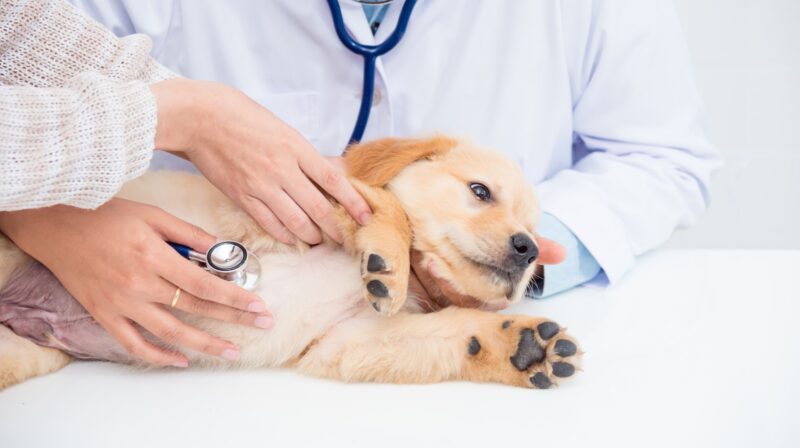
Pre-existing conditions show up in more ways than people expect.
One of the most common reasons for pet insurance claim denials is a pre-existing condition. That phrase sounds simple, but in practice it can get complicated quickly.
If your dog had a limp six months before you enrolled, even if it went away on its own, that detail can matter later. If your cat had repeated digestive issues that you mentioned during a vet visit but never thought much about, that can also come up when you file a claim.
Pet insurance companies build a medical history over time, and they use that timeline when reviewing pet insurance claim denials. It is less about one big diagnosis and more about patterns that were documented before coverage started.
The easiest way to avoid stress here is to enroll pets earlier than you think you need to and make sure their baseline vet records are clear and consistent. If something already exists in their history, it is better to understand how it may be viewed before you are in the middle of a claim.
Waiting periods catch people off guard.
Waiting periods are another quiet reason behind pet insurance claim denials. Most policies do not start full coverage immediately. There is usually a short window after you sign up where accidents or illnesses are not covered yet.
This is where a lot of confusion happens. A pet gets sick or injured a few days after enrollment, the vet visit is expensive, and then the claim gets denied because it happened inside the waiting period.
Pet insurance claim denials tied to timing are frustrating because they feel random at first. Once you understand the waiting period rules, they make more sense, but only after the fact for many people.
The practical approach here is simple. When you enroll, write down the exact dates when accident coverage starts and when illness coverage starts. Keep it somewhere easy to find. It sounds small, but it helps you avoid filing a claim too early and getting a denial that could have been prevented.

Missing medical records slow everything down
Another common reason for pet insurance claim denials is incomplete or missing medical history. Insurance companies rely heavily on vet records when deciding whether a claim qualifies.
If your pet has switched vets, missed annual checkups, or has gaps in their medical file, it can create delays or lead to a denial while things are being reviewed. This is not always about suspicion, it is often about not having enough information to confirm when a condition started or how it progressed.
Keeping your pet’s records organized makes a bigger difference than people expect. It also helps when you are dealing with multiple clinics or emergency visits where paperwork can get scattered.
Coverage limits and exclusions are easy to underestimate.
Pet insurance claim denials also happen when treatment falls outside what the policy actually covers. This is one of those areas where assumptions cause trouble.
Some plans do not include certain alternative therapies. Others separate wellness care from illness coverage. Some procedures may be considered elective depending on the situation.
You usually only notice this when you’re already sitting in a vet office trying to decide on treatment options and wondering what will be reimbursed later.
The best way to avoid this is to treat the policy details like something you will actually need in a real moment, not just a document you skim once. If you’re unsure about a type of treatment, ask the insurer before you need it. That small step can prevent a lot of pet insurance claim denials later.
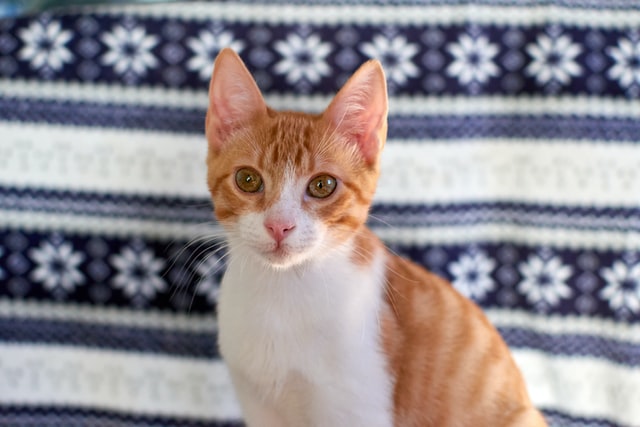
Breed related conditions can complicate coverage.
Some pets are more likely to develop certain conditions based on breed. Hip issues, heart conditions, breathing problems… these are often known in advance, which is why they can affect how coverage is applied.
Pet insurance claim denials in these cases usually come down to whether something is classified as hereditary or pre-existing. The distinction can feel subtle when you are just trying to help your pet feel better.
This is where reading the fine print actually matters. Not in a theoretical way, but in a practical one. Knowing what is commonly excluded for your pet’s breed helps you make better decisions before problems appear.
Filing mistakes happen more often than people realize.
There is also a very practical side to pet insurance claim denials that has nothing to do with medical history. Claims get denied because something was filled out incorrectly or submitted too late.
A missing invoice, a wrong diagnosis code, or a delay in submission can all lead to problems. Sometimes it is just a small detail that holds everything up.
This is usually the part people underestimate. After a stressful vet visit, paperwork (even digital “paperwork”) is the last thing on your mind. But insurers rely on that paperwork to process claims correctly.
Keeping things organized after each visit helps more than trying to fix it later when a denial has already happened.

Lapsed coverage creates gaps that matter.
If a policy lapses because of a missed payment, even briefly, it can affect future claims. This is another quiet cause of pet insurance claim denials that people do not think about until it comes up.
Coverage continuity matters more than it seems. A short gap can reset certain protections or create questions about when symptoms started.
Setting payments to auto renew and checking your policy status every so often removes most of this risk.
When a claim gets denied, it’s worth looking closer.
Pet insurance claim denials can feel personal in the moment, especially when you’re already emotional and dealing with a sick or injured pet. But most of the time, they’re tied to timing, documentation, or policy structure rather than anything unexpected or arbitrary.
If you ever get a denial, it’s worth asking for a detailed explanation and going through it step-by-step. Sometimes it’s a simple fix or a misunderstanding in paperwork. Other times it helps you understand your policy more clearly for next time.
The real goal is not just avoiding pet insurance claim denials altogether, it’s making sure that when something happens with your pet, you’re not also trying to decode your insurance policy in the middle of it.
A bit of preparation earlier makes those moments less heavy later.
If you are starting to think about coverage or wondering what protection actually makes sense for your pet, it can help to compare a few options side by side. Getting a free quote from top pet insurance providers is a simple way to see what different plans look like for your pet’s age, breed, and health needs, without any pressure to decide right away.
Thinking of insuring your pet?
Get Quotes & Compare
Disclaimer
The information contained on this blog is intended for informational and educational purposes only and should not be construed as medical advice. It is not a substitute for professional veterinary care. Always consult with your veterinarian before making any changes to your pet's health care or treatment plan.
The authors of this blog are not veterinarians and do not claim to be experts in pet health. The information provided here is based on our own experiences and research, as well as information from reputable sources. However, we cannot guarantee the accuracy or completeness of this information.
We encourage you to do your own research and consult with your veterinarian before making any decisions about your pet's health.
Charitable Giving
With every pet insurance policy we generate, we do our bit to help less fortunate animals across Canada and the U.S. by making a donation to one of our chosen animal charities or rescue centres.
Compare top pet insurance providers plans.
Popular Articles
-
![Dog Personalities | 20 Dog Breeds & What Personality You Can Expect]() Dog Personalities | 20 Dog Breeds & What Personality You Can Expect
Dog Personalities | 20 Dog Breeds & What Personality You Can Expect
-
![Pitbull Weight and Growth Chart: Male, Female, and Puppy Growing Patterns]() Pitbull Weight and Growth Chart: Male, Female, and Puppy Growing Patterns
Pitbull Weight and Growth Chart: Male, Female, and Puppy Growing Patterns
-
![Beagle Weight and Growth Chart]() Beagle Weight and Growth Chart
Beagle Weight and Growth Chart
-
![Labrador Retriever Weight and Growth Chart: Male, Female and Puppy Growing Patterns]() Labrador Retriever Weight and Growth Chart: Male, Female and Puppy Growing Patterns
Labrador Retriever Weight and Growth Chart: Male, Female and Puppy Growing Patterns
-
![Shih Tzu Growth and Weight Chart]() Shih Tzu Growth and Weight Chart
Shih Tzu Growth and Weight Chart
-
![Cane Corso Weight and Growth Chart]() Cane Corso Weight and Growth Chart
Cane Corso Weight and Growth Chart


Enter your dog’s age in years and months to calculate their age equivalent to human years.
Calculate your dog’s ageEnter your cat’s age in years and months to calculate their age equivalent to human years.
Calculate your cat’s age