
Door Dashing Training for Dogs
Posted: 08/18/2025 | BY: Jenna Bruce | Categories: Behavior , Dog , Top Tips
If you’ve ever experienced the heart-stopping moment when your dog bolts toward the open door, you know just how stressful it can be. That’s why door dashing training for dogs is so important. Whether your pup is chasing a squirrel, greeting a visitor, or just acting on impulse, learning to stay calm at the threshold can prevent accidents and keep them safe. With consistent training, patience, and the right strategies, you can teach your dog polite door manners while reducing the risk of escapes.
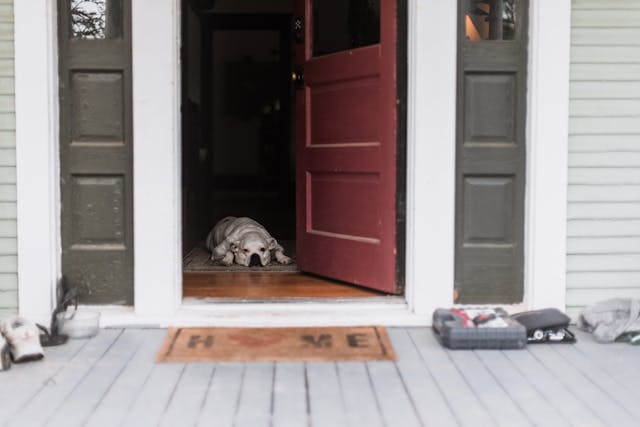
Why Dogs Dash Out the Door
Understanding why dogs dash out the door helps you approach training in the most effective way. Common reasons include:
- Curiosity: The outside world is full of new sights, smells, and sounds.
- Social Drive: Some dogs can’t resist running to greet guests.
- Prey Instinct: Birds, squirrels, and neighborhood cats trigger instinctual chases.
- Pent-Up Energy: Dogs with excess energy are more likely to bolt when they see freedom.
Door Dash Training for Dogs – 6 Simple Steps
Once you identify your dog’s main motivator, you can tailor your door dashing training for dogs to suit their personality and needs.
Step 1: Teach a “Wait” Command at the Door
A reliable “wait” command is the foundation of door manners. Start in a calm, distraction-free environment:
- Have your dog sit a few feet away from the closed door.
- Say “wait” in a calm, consistent voice.
- Slowly reach for the doorknob. If your dog stays in place, reward them with a treat and praise.
- If they move forward, gently close the door and reset the exercise.
Repeat this process until your dog understands that the door only opens when they stay still. Gradually increase the challenge by opening the door a little at a time, helping your dog remain calm even with the door fully open.
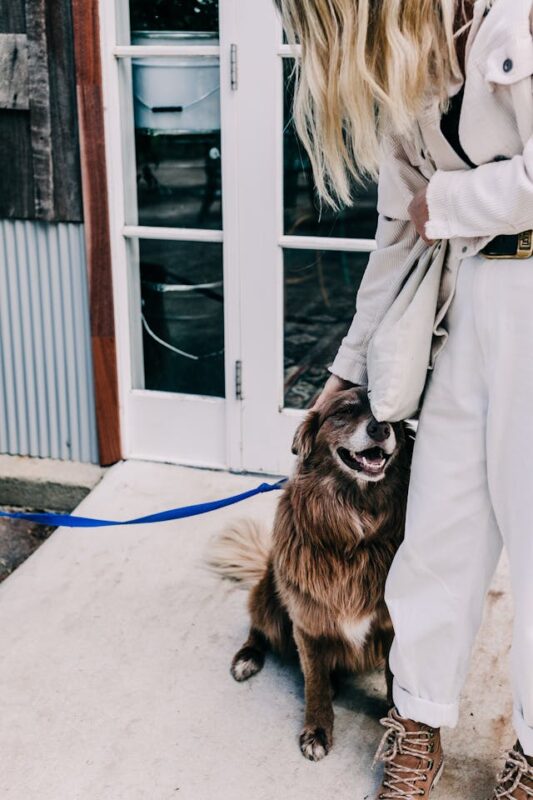
Step 2: Create a “Safe Zone” Inside
A “safe zone” is a designated spot, like a mat or dog bed, where your dog goes when the door is in use. This works especially well during visitors, deliveries, or busy comings and goings.
- Choose a spot far enough from the door to discourage bolting.
- Practice sending your dog to this spot and reward them for staying.
- Over time, link the opening of the door to their automatic move to the safe zone.
This gives your dog a clear, positive alternative to rushing the exit, making your door dashing training for dogs much more effective.
Step 3: Use Leash Training for Added Control
Until your dog masters their door manners, using a leash in high-risk situations can prevent escapes. This might mean keeping your dog on a leash during gatherings, busy entryways, or when children are moving in and out.
Leash training allows you to practice calm behavior at the door without worrying about a sudden escape, reinforcing the lessons from your door dashing training for dogs.
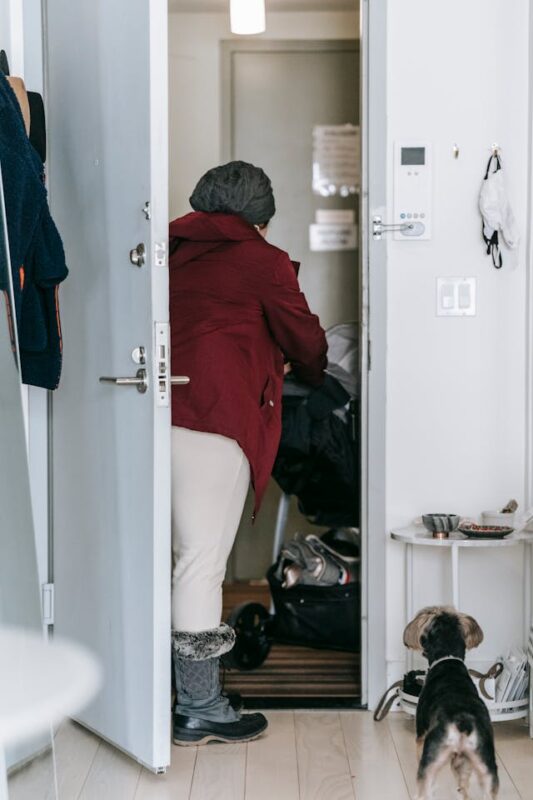
Step 4: Practice with Real-Life Scenarios
After your dog is comfortable waiting in a calm environment, it’s time to add distractions:
- Have a friend or family member knock or ring the doorbell.
- Practice your “wait” or “safe zone” routine before opening the door.
- Vary the scenarios, for example, sometimes open the door without letting them out, other times allow them through only when calm and invited.
This teaches your dog that excitement does not equal permission to dash outside, a key component of effective door dashing training for dogs.
Step 5: Reward Calm Behavior Every Time
Consistency is crucial. Each time your dog approaches the door, be ready to reward calm behavior. Keep treats handy near the entryway, or use verbal praise and petting if your dog is motivated by attention.
The more you reinforce calm and patient behavior, the more it becomes second nature, strengthening the results of your door dashing training for dogs.
Step 6: Manage the Environment
Even with the best training, accidents can happen. Until you are confident your dog has mastered door manners, use preventive measures:
- Install a baby gate a few feet from the door.
- Keep your dog in another room before opening the door for visitors.
- Use a double-door entry or enclosed porch as a buffer zone.
These safeguards protect your dog while reinforcing lessons from your door dashing training and give you peace of mind.
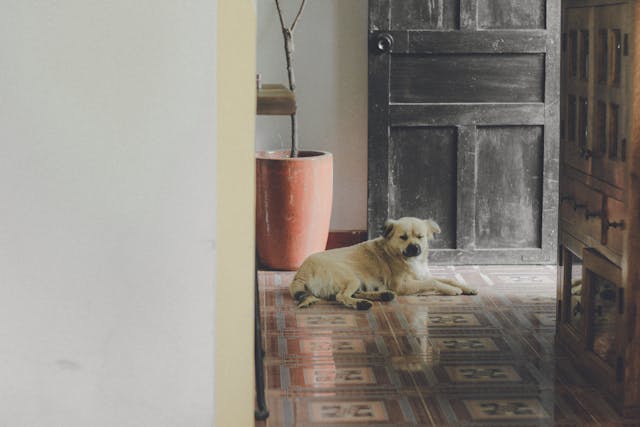
Common Mistakes to Avoid
When training your dog, be aware of these pitfalls:
- Being inconsistent: Mixed signals slow progress.
- Skipping rewards: Praise and treats are critical in early stages.
- Punishing after the fact: If your dog dashes and you scold them afterward, they may not associate the correction with the behavior.
Sticking to clear, positive, and consistent training ensures your door dashing training for dogs is successful without creating fear or anxiety.
Extra Tips for Success
- Exercise Before Training: A tired dog is more focused and easier to manage.
- Short, Frequent Sessions: A few minutes several times a day beats one long session.
- Make It a Family Effort: Everyone should follow the same rules.
- Incorporate Door Manners Daily: Use the “wait” command before walks or yard time.
These habits help reinforce calm, patient behavior and make your door dashing training more effective in the long term.
Why This Training Matters
Teaching your dog to pause at the door is not just about manners – it’s about safety. A quick dash outside can result in injury, getting lost, or encounters with traffic or other animals. Proper door dashing training for dogs ensures they wait for your cue, keeping them safe while giving you confidence in unpredictable situations.
Celebrate Progress
Training takes patience, so celebrate small wins. Every extra second your dog holds a sit or remains in their safe zone is progress. Over time, these steps add up, creating a calm, obedient dog who knows how to behave at the door.
Final Word: Protect Your Pet with Insurance
Even the best-trained dogs can have accidents, and door dashing is no exception. Pet insurance helps you cover emergency care without worrying about cost. Take a moment today to explore options and make sure your furry friend is protected. Training plus insurance gives you peace of mind, keeping your pet safe at the door and beyond.
Find & Compare the Top Pet Insurance Companies
Get Quotes for Your Dog
References:
Disclaimer
The information contained on this blog is intended for informational and educational purposes only and should not be construed as medical advice. It is not a substitute for professional veterinary care. Always consult with your veterinarian before making any changes to your pet's health care or treatment plan.
The authors of this blog are not veterinarians and do not claim to be experts in pet health. The information provided here is based on our own experiences and research, as well as information from reputable sources. However, we cannot guarantee the accuracy or completeness of this information.
We encourage you to do your own research and consult with your veterinarian before making any decisions about your pet's health.
Charitable Giving
With every pet insurance policy we generate, we do our bit to help less fortunate animals across Canada and the U.S. by making a donation to one of our chosen animal charities or rescue centres.
Compare top pet insurance providers plans.
Popular Articles
-
![Dog Personalities | 20 Dog Breeds & What Personality You Can Expect]() Dog Personalities | 20 Dog Breeds & What Personality You Can Expect
Dog Personalities | 20 Dog Breeds & What Personality You Can Expect
-
![Pitbull Weight and Growth Chart: Male, Female, and Puppy Growing Patterns]() Pitbull Weight and Growth Chart: Male, Female, and Puppy Growing Patterns
Pitbull Weight and Growth Chart: Male, Female, and Puppy Growing Patterns
-
![Beagle Weight and Growth Chart]() Beagle Weight and Growth Chart
Beagle Weight and Growth Chart
-
![Labrador Retriever Weight and Growth Chart: Male, Female and Puppy Growing Patterns]() Labrador Retriever Weight and Growth Chart: Male, Female and Puppy Growing Patterns
Labrador Retriever Weight and Growth Chart: Male, Female and Puppy Growing Patterns
-
![Shih Tzu Growth and Weight Chart]() Shih Tzu Growth and Weight Chart
Shih Tzu Growth and Weight Chart
-
![Cane Corso Weight and Growth Chart]() Cane Corso Weight and Growth Chart
Cane Corso Weight and Growth Chart


Enter your dog’s age in years and months to calculate their age equivalent to human years.
Calculate your dog’s ageEnter your cat’s age in years and months to calculate their age equivalent to human years.
Calculate your cat’s age