
Common Household Dangers for Pets
Posted: 08/04/2025 | BY: Jenna Bruce | Categories: Cat , Dog , Pet care
If you’re a new pet parent, you’ve probably done some basic pet-proofing already. You’ve hidden the chocolate, latched the cleaning cabinet, and maybe even invested in a baby gate. But some of the most common household dangers for pets aren’t just obvious toxins – they’re everyday items you’d never suspect. And they’re responsible for thousands of emergency vet visits (and insurance claims) every year.
From socks and lilies to trash cans and tangled cords, it turns out your home may be a little more hazardous than it seems. So before you assume your living room is a pet-safe paradise, let’s take a walk through your house and uncover the hidden risks – and how to prevent them.
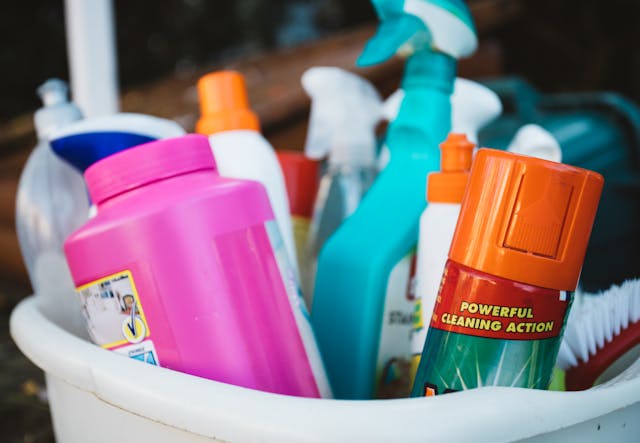
Living Room Surprises: Cozy but Risky
The living room may seem harmless, but it’s filled with temptations that can quickly turn dangerous.
Cords and Chargers
Puppies and kittens love to chew. Unfortunately, that includes charging cables, lamp cords, and game controllers. Besides electric shocks, swallowed cords can cause internal injuries.
Candles and Diffusers
Open flames are a burn risk, but even essential oil diffusers can be toxic to pets. Tea tree, citrus, eucalyptus, and peppermint oils are common culprits.
Clutter and Rugs
Tripping hazards aren’t just a problem for humans. Pets – especially seniors – can slip or injure themselves on rugs, toys, or random objects left on the floor.
Kitchen Hazards: The Tastiest Trouble Spot
The kitchen tops the list of rooms associated with common household dangers for pets, mostly because so many irresistible (but toxic) items live here.

Counter Surfing Disasters
Dogs that steal snacks can end up with serious health issues. Grapes, chocolate, onions, garlic, and anything with xylitol can be life-threatening.
Trash Can Mischief
A knocked-over trash can could lead to bones, spoiled food, or coffee grounds being ingested. All of these are potential emergency situations.
Hot Surfaces
Pets can burn their paws and other body parts by jumping on hot stovetops or bumping into oven doors. Consider using stove knob covers and keeping pets out during meal prep.
Bathroom Trouble Spots: Small Room, Big Risks
It’s easy to overlook the bathroom, but it’s home to some of the most dangerous household items for curious pets.
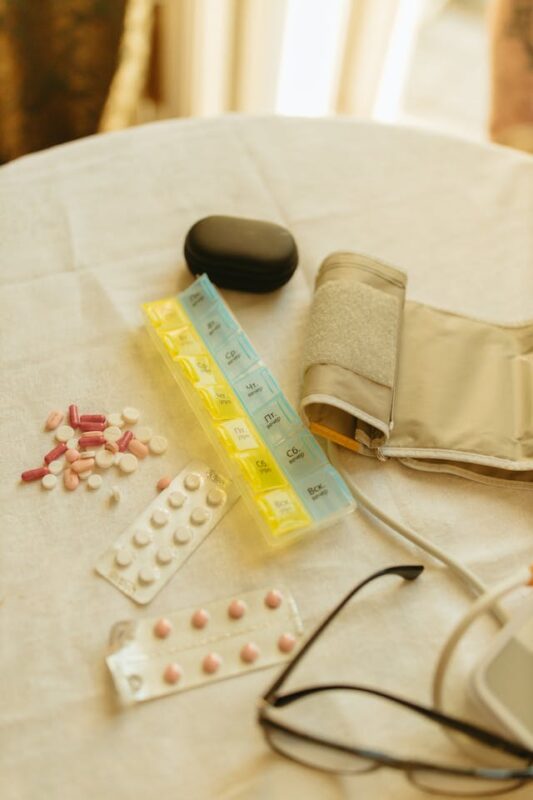
Medications
Human prescriptions like painkillers, cold medicine, and antidepressants are among the top causes of accidental pet poisonings.
Toilet Bowl Temptations
Drinking toilet water is bad enough, but if you use automatic cleaners or bleach tablets, it can be downright toxic.
Hair Ties and Dental Floss
These seem harmless but can cause intestinal blockages—especially in cats. Pets often chew or swallow these without you noticing.
Bedroom Dangers: Soft Items, Big Problems
Your bedroom might feel like the safest room in the house, but it has a few sneaky dangers of its own.
Socks and Underwear
Believe it or not, swallowing fabric is one of the most common reasons for emergency surgery in dogs. It can easily lead to intestinal blockage.
Cosmetics and Skincare Products
Pets licking lotion off your skin or grabbing a tube of sunscreen off the dresser can end up ingesting harmful chemicals.

Toxic Plants
Some of the most popular houseplants including lilies, aloe vera, and pothos are toxic to pets. Cats are especially sensitive to even a small nibble.
Garage and Laundry Room: Hidden Chemical Hazards
Out of sight doesn’t always mean out of danger. Even if your pet doesn’t spend much time in the garage or laundry room, a brief unsupervised moment can be risky.
Antifreeze and Car Fluids
Antifreeze smells sweet but is deadly to pets even in small amounts. Keep it and any spilled fluids securely locked away.
Laundry Pods and Detergents
Highly concentrated cleaning agents can irritate your pet’s mouth, skin, or stomach. Dryer sheets also contain chemicals that are unsafe if chewed.
Rodent Poison
Rat bait can be fatal to pets, and even eating a poisoned rodent can be dangerous. Always use pet-safe pest control solutions.
Pet-Proofing Checklist: Your Action Plan
Here’s a quick checklist to help you reduce the risk of accidents from common household dangers for pets:
✅ Secure cords, chargers, and electronics
✅ Store food out of reach and use pet-proof trash cans
✅ Lock up human medications and cosmetics
✅ Avoid toxic plants or place them where pets can’t reach
✅ Keep toilet lids closed
✅ Clean up spills immediately, especially chemicals in the garage
✅ Pick up small items like hair ties and dental floss
✅ Supervise pets in the kitchen and during cooking
✅ Use baby gates or barriers if needed
Why Pet Insurance Matters – Even in a Pet-Proofed Home
Even with the best prevention, accidents still happen. Your cat could sneak a bite of a lily leaf, or your dog might find a chocolate bar stashed in a bag. And when something goes wrong, the cost of care can be steep. Emergency vet visits for poisoning, surgery to remove foreign objects, or treatment for burns can run into the thousands.
That’s where pet insurance comes in. It helps cover those unexpected moments – the ones you can’t plan for, but still have to face. Insurance gives you the peace of mind to say yes to the care your pet needs, without worrying about whether you can afford it.
Final Thoughts: A Safer Home and Smarter Pet Parenting
Your home is filled with love, but it might also be filled with hazards you haven’t noticed yet. Taking the time to address the common household dangers for pets is one of the most important things you can do as a responsible pet parent.
Start with the checklist. Walk through each room. Make a few small changes. It could be the difference between a normal day and an emergency trip to the vet.
And if you want to take your pet’s safety to the next level, explore pet insurance options today. Because accidents happen—and your best friend deserves the best protection.
Thinking of insuring your pet?
Get Quotes & Compare
References:
- https://www.avma.org/resources-tools/pet-owners/petcare/household-hazards
- https://www.fda.gov/animal-veterinary/animal-health-literacy/potentially-dangerous-items-your-pet
- https://www.aspcapetinsurance.com/101-things-you-didnt-know-could-harm-your-pet/
Disclaimer
The information contained on this blog is intended for informational and educational purposes only and should not be construed as medical advice. It is not a substitute for professional veterinary care. Always consult with your veterinarian before making any changes to your pet's health care or treatment plan.
The authors of this blog are not veterinarians and do not claim to be experts in pet health. The information provided here is based on our own experiences and research, as well as information from reputable sources. However, we cannot guarantee the accuracy or completeness of this information.
We encourage you to do your own research and consult with your veterinarian before making any decisions about your pet's health.
Charitable Giving
With every pet insurance policy we generate, we do our bit to help less fortunate animals across Canada and the U.S. by making a donation to one of our chosen animal charities or rescue centres.
Compare top pet insurance providers plans.
Popular Articles
-
![Dog Personalities | 20 Dog Breeds & What Personality You Can Expect]() Dog Personalities | 20 Dog Breeds & What Personality You Can Expect
Dog Personalities | 20 Dog Breeds & What Personality You Can Expect
-
![Pitbull Weight and Growth Chart: Male, Female, and Puppy Growing Patterns]() Pitbull Weight and Growth Chart: Male, Female, and Puppy Growing Patterns
Pitbull Weight and Growth Chart: Male, Female, and Puppy Growing Patterns
-
![Beagle Weight and Growth Chart]() Beagle Weight and Growth Chart
Beagle Weight and Growth Chart
-
![Labrador Retriever Weight and Growth Chart: Male, Female and Puppy Growing Patterns]() Labrador Retriever Weight and Growth Chart: Male, Female and Puppy Growing Patterns
Labrador Retriever Weight and Growth Chart: Male, Female and Puppy Growing Patterns
-
![Shih Tzu Growth and Weight Chart]() Shih Tzu Growth and Weight Chart
Shih Tzu Growth and Weight Chart
-
![Cane Corso Weight and Growth Chart]() Cane Corso Weight and Growth Chart
Cane Corso Weight and Growth Chart


Enter your dog’s age in years and months to calculate their age equivalent to human years.
Calculate your dog’s ageEnter your cat’s age in years and months to calculate their age equivalent to human years.
Calculate your cat’s age