
Cat Hydration: How to Tell If Your Feline is Drinking Enough
Posted: 08/11/2025 | BY: Jenna Bruce | Categories: Cat , Pet care
If you’ve ever wondered whether your cat is secretly sipping water when you’re not looking, you’re not alone. Cat hydration can be tricky to monitor, especially since our feline friends tend to be private about their drinking habits. But staying hydrated is vital to their overall health, particularly when it comes to preventing kidney issues, urinary tract problems, and other chronic conditions. Understanding how to tell if your cat is drinking enough and knowing what to do if they’re not can make a world of difference for their well-being.
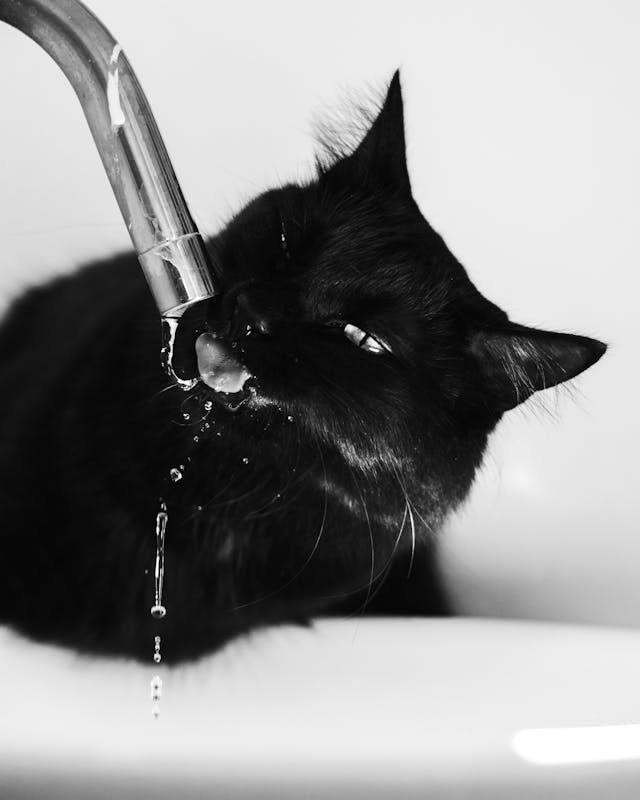
Why Cat Hydration Matters More Than You Think
Cats evolved as desert animals, which means they have a naturally low thirst drive. In the wild, they got most of their water from prey rather than from a bowl. This works fine for a lion catching fresh meat, but for the average house cat eating kibble, it can lead to dehydration without you even realizing it. Over time, chronic low-level dehydration can put stress on the kidneys, contribute to urinary tract infections, and increase the risk of kidney disease, one of the most common health problems in older cats.
Kidney disease, in particular, is something every cat parent should be aware of. It can develop slowly over years, often without obvious symptoms until it is advanced. Adequate cat hydration is one of the simplest ways to reduce the risk and keep the urinary system functioning well.
Signs Your Cat May Be Dehydrated
Since cats can be so secretive about drinking water, you will need to look for other signs that might indicate dehydration. Here are a few things to watch for:
- Lethargy or unusual tiredness – Your cat may seem less interested in playing or exploring
- Dry gums – Healthy gums should feel moist
- Sunken eyes – Eyes may appear dull or less bright
- Skin tenting – Gently pull/pinch the skin at the back of the neck; if it does not quickly release back, your cat might be dehydrated
- Constipation – Lack of water can make it harder for your cat to pass stool
If you notice any of these symptoms, it is important to encourage more water intake and check in with your veterinarian, especially if the signs are persistent.
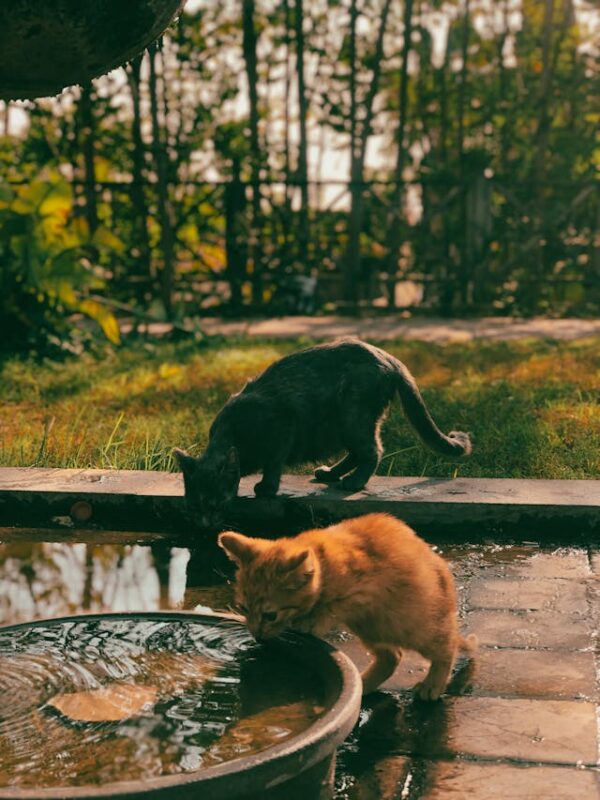
How Much Water Does a Cat Need?
The general rule of thumb is that a cat needs about 3.5 to 4.5 ounces of water per 5 pounds of body weight each day. For example, an average 10-pound cat should drink roughly one cup of water daily. This can come from a combination of their food and their water dish. Cats on wet food typically get more moisture than cats on dry food, so your cat’s diet will play a big role in their hydration needs.
Tips for Improving Cat Hydration
If your cat is not a big drinker, do not worry. You have plenty of options to help them stay hydrated.
Add wet food to their diet
Switching from all-dry kibble to a mix of wet and dry food is one of the easiest ways to boost water intake. Wet food can be as much as 70 to 80 percent water.
Invest in a cat water fountain
Many cats are drawn to moving water. A fountain not only keeps the water fresher but also taps into their instinct to drink from running (safer) sources.
Offer multiple water stations
Place bowls in different rooms so your cat has easy access to water wherever they are. This is also useful in multiple-cat households.
Use wide, shallow bowls
Some cats dislike when their whiskers touch the sides of a bowl. A wide, shallow dish can make drinking more comfortable.
Add flavor to the water
A splash of tuna water from tuna packed in water, not oil, or low-sodium chicken broth can make water more enticing.
Keep water fresh and clean
Cats are more likely to drink if the water smells and tastes fresh. Wash bowls daily and refill with clean water.

Cat Hydration and Kidney Health
Proper cat hydration is one of the most important factors in preventing kidney disease and urinary problems. In fact, one of the first recommendations vets give for cats with early kidney issues is to increase their water intake. By staying ahead of the problem and encouraging good hydration habits from the start, you can help protect your cat’s health long-term.
It is also worth remembering that some cats are genetically predisposed to kidney problems, while others might develop them due to age or past infections. This means even the most attentive pet parents cannot always prevent certain health conditions, but they can be ready to manage them effectively.
When to See the Vet
If you suspect your cat is dehydrated, it is important to get veterinary advice. Dehydration can be a symptom of underlying illnesses like diabetes, hyperthyroidism, or kidney disease. Your vet can run simple tests to check hydration status and kidney function, and recommend the best treatment plan.
In some cases, your vet may suggest subcutaneous fluids, prescription diets, or specific supplements to help maintain hydration and kidney health. Early intervention is key, which is why regular checkups and monitoring your cat’s habits at home are so valuable.
A Safety Net for Your Cat’s Health
Even with the best care, medical emergencies and chronic conditions can happen. That is where pet insurance can make a big difference. Wellness coverage can help offset the cost of preventive care, such as annual exams and bloodwork to monitor kidney function. Chronic condition coverage ensures you are financially prepared if your cat develops kidney disease or another long-term illness.
Having insurance means you can make decisions based on what is best for your cat’s health, not just what is most affordable at the moment. With the right plan, you can provide timely treatment and ongoing care without the added stress of unexpected costs.
The Bottom Line
Cat hydration is not just a small detail. It is a cornerstone of feline health. From preventing kidney disease to keeping your cat active and comfortable, making sure they get enough water is one of the simplest yet most powerful things you can do.
Keep an eye on their drinking habits, offer hydration-friendly food options, and make water appealing and easy to access. And do not forget to schedule regular vet visits to catch any early signs of trouble.
If you want extra peace of mind, consider enrolling in pet insurance that includes wellness and chronic condition coverage. It is a small investment that can pay off in a big way for your cat’s long-term health and happiness.
Find & Compare the Top Pet Insurance Companies
Get Quotes for Your Cat
References:
- https://www.petmd.com/cat/conditions/urinary/kidney-disease-cats
- https://www.vet.cornell.edu/departments-centers-and-institutes/cornell-feline-health-center/health-information/feline-health-topics/chronic-kidney-disease
- https://www.vet.cornell.edu/departments-centers-and-institutes/cornell-feline-health-center/health-information/feline-health-topics/hydration
- https://www.petmd.com/cat/symptoms/why-your-cat-wont-drink-water-and-what-do
Disclaimer
The information contained on this blog is intended for informational and educational purposes only and should not be construed as medical advice. It is not a substitute for professional veterinary care. Always consult with your veterinarian before making any changes to your pet's health care or treatment plan.
The authors of this blog are not veterinarians and do not claim to be experts in pet health. The information provided here is based on our own experiences and research, as well as information from reputable sources. However, we cannot guarantee the accuracy or completeness of this information.
We encourage you to do your own research and consult with your veterinarian before making any decisions about your pet's health.
Charitable Giving
With every pet insurance policy we generate, we do our bit to help less fortunate animals across Canada and the U.S. by making a donation to one of our chosen animal charities or rescue centres.

Compare top pet insurance providers plans.
Popular Articles
-
![Dog Personalities | 20 Dog Breeds & What Personality You Can Expect]() Dog Personalities | 20 Dog Breeds & What Personality You Can Expect
Dog Personalities | 20 Dog Breeds & What Personality You Can Expect
-
![Pitbull Weight and Growth Chart: Male, Female, and Puppy Growing Patterns]() Pitbull Weight and Growth Chart: Male, Female, and Puppy Growing Patterns
Pitbull Weight and Growth Chart: Male, Female, and Puppy Growing Patterns
-
![Beagle Weight and Growth Chart]() Beagle Weight and Growth Chart
Beagle Weight and Growth Chart
-
![Labrador Retriever Weight and Growth Chart: Male, Female and Puppy Growing Patterns]() Labrador Retriever Weight and Growth Chart: Male, Female and Puppy Growing Patterns
Labrador Retriever Weight and Growth Chart: Male, Female and Puppy Growing Patterns
-
![Shih Tzu Growth and Weight Chart]() Shih Tzu Growth and Weight Chart
Shih Tzu Growth and Weight Chart
-
![Cane Corso Weight and Growth Chart]() Cane Corso Weight and Growth Chart
Cane Corso Weight and Growth Chart





Enter your dog’s age in years and months to calculate their age equivalent to human years.
Calculate your dog’s ageEnter your cat’s age in years and months to calculate their age equivalent to human years.
Calculate your cat’s age