
Serotonin Syndrome in Cats: The Hidden Danger Lurking in Common Medications
Posted: 10/20/2025 | BY: Jenna Bruce | Categories: Cat , Health problems , Pet care
As a cat parent, you’d do anything to keep your fur baby safe. But serotonin syndrome in cats is one of those rare conditions that can catch even the most careful pet owner off guard. It can come on suddenly, especially after a new medication or accidental ingestion, so knowing what to look for could truly save your cat’s life.
What Is Serotonin Syndrome in Cats?
Serotonin is a natural chemical that helps regulate mood, digestion, and several key functions in both humans and animals. But when too much serotonin floods your cat’s system, things can go wrong fast. Serotonin syndrome in cats occurs when there’s an overload of this neurotransmitter, causing the nervous system to go into overdrive.
The condition is usually triggered by medications, supplements, or combinations that raise serotonin levels too high. It’s not that these substances are inherently dangerous on their own – it’s the combination or dosage that can tip the balance.
What Causes Serotonin Syndrome in Cats
There are several ways a cat might end up with serotonin toxicity. Most commonly, it happens when two or more serotonin-boosting agents are used together, or when a cat accidentally ingests medication meant for humans. Here are some known triggers:
- Antidepressants such as SSRIs (fluoxetine, sertraline) and SNRIs
- Behavior-modifying drugs like buspirone or mirtazapine
- Appetite stimulants prescribed by veterinarians
- Pain medications or cough suppressants that influence serotonin levels
- Herbal or “natural” supplements including St. John’s wort, tryptophan, or serotonin precursors
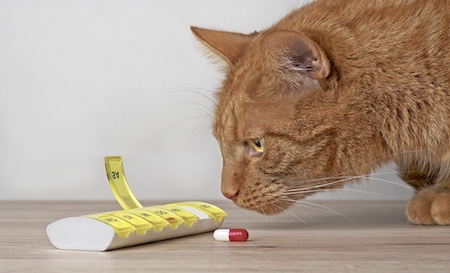
- Accidental ingestion of human medications
Even small doses can be dangerous for cats, as their bodies process chemicals differently. Combining prescription medication with natural supplements that affect serotonin is especially risky. This is why it is so important to speak to your vet before adding any supplements into your cat’s care plan.
Recognizing the Symptoms of Serotonin Syndrome in Cats
One of the biggest challenges with serotonin syndrome in cats is that it doesn’t have a single definitive test. Vets rely on your observations and the cat’s medical history to piece together what’s going on. If your cat has recently started a new medication or supplement and begins acting strangely, you’ll want to keep a close eye on these potential signs:
- Restlessness or agitation
- Muscle tremors, twitching, or stiffness
- Loss of coordination or balance
- Rapid heart rate or high blood pressure
- Excessive vocalization or meowing
- Elevated body temperature (hyperthermia)
- Panting or heavy breathing
- Seizures or collapse
- Drooling, diarrhea, or vomiting
Symptoms can appear within minutes to hours after ingestion. If your cat shows more than one of these signs, especially after taking new medication, it’s time to seek immediate veterinary help.
Diagnosing and Treating Serotonin Syndrome in Cats
Because there’s no specific test for serotonin syndrome, diagnosis often depends on timing, symptoms, and a detailed account of what your cat may have ingested. Once your vet suspects serotonin toxicity, treatment must start quickly.
If ingestion occurred recently, the vet may:
- Administer activated charcoal to absorb toxins
- Induce vomiting or perform gastric lavage (stomach pumping)
- Stop all serotonin-boosting medications immediately
- Give IV fluids to stabilize circulation
- Use medications that block serotonin receptors or calm the nervous system
- Monitor for seizures, hyperthermia, or heart issues
Recovery time depends on what caused the reaction. For short-acting drugs, symptoms may fade within 12–18 hours. But for long-lasting or sustained-release medications, it could take up to 72 hours or more for your cat to fully recover. Early intervention makes all the difference.
Preventing Serotonin Syndrome in Cats
Prevention starts with awareness. Here are key steps to reduce your cat’s risk:
- Work closely with your vet.
Never start or stop a medication or supplement without consulting your veterinarian, even if it seems harmless or “natural.” - Double-check every prescription.
Some drugs interact in ways that may not be obvious. Ask your vet or pharmacist if any of your cat’s medications influence serotonin. - Keep human meds out of reach.
Cats can accidentally ingest pills left on countertops or nightstands. Even a small amount can trigger serotonin syndrome in cats. - Consider behavioral alternatives.
If your cat’s anxiety or aggression led to medication, explore non-drug options like pheromone diffusers, environmental enrichment, or training with a feline behaviorist. - Be cautious with supplements.
Some calming or mood-boosting products marketed for pets contain serotonin precursors. Always review ingredients with your vet before use.
Why Awareness Matters
Because serotonin syndrome in cats is rare, many pet parents have never heard of it. Yet, as more cats receive medications for anxiety or appetite issues, awareness becomes essential. Understanding the symptoms and knowing when to act can prevent tragedy.
If your vet recommends a medication that affects serotonin, don’t panic — just be informed. Ask questions about dosage, side effects, and interactions. And if you ever suspect serotonin toxicity, get emergency help immediately.
Final Thoughts: Protecting Your Cat’s Health
Our fur babies depend on us to make the best decisions for their care. While serotonin syndrome in cats is uncommon, it’s serious enough that prevention and quick action can be lifesaving. The best approach is combining veterinary guidance, safe supplements, and lifestyle support to help your cat feel calm and healthy.
Even when you’re cautious, accidents and emergencies can still happen. Veterinary care for conditions like serotonin syndrome can be costly, especially when hospitalization or monitoring is required.
That’s where pet insurance becomes invaluable. It ensures you can say “yes” to the best care without worrying about the bill.
Protect your cat today and explore pet insurance options and give yourself peace of mind for whatever life brings.
Find & Compare the Top Pet Insurance Companies
Get Quotes for Your Cat
References:
- https://www.dvm360.com/view/recognizing-and-treating-serotonin-syndrome
- https://vcahospitals.com/know-your-pet/serotonin-syndrome
- https://www.petmd.com/cat/conditions/neurological/c_ct_serotonin_syndrome
Disclaimer
The information contained on this blog is intended for informational and educational purposes only and should not be construed as medical advice. It is not a substitute for professional veterinary care. Always consult with your veterinarian before making any changes to your pet's health care or treatment plan.
The authors of this blog are not veterinarians and do not claim to be experts in pet health. The information provided here is based on our own experiences and research, as well as information from reputable sources. However, we cannot guarantee the accuracy or completeness of this information.
We encourage you to do your own research and consult with your veterinarian before making any decisions about your pet's health.
Charitable Giving
With every pet insurance policy we generate, we do our bit to help less fortunate animals across Canada and the U.S. by making a donation to one of our chosen animal charities or rescue centres.
Compare top pet insurance providers plans.
Popular Articles
-
![Dog Personalities | 20 Dog Breeds & What Personality You Can Expect]() Dog Personalities | 20 Dog Breeds & What Personality You Can Expect
Dog Personalities | 20 Dog Breeds & What Personality You Can Expect
-
![Pitbull Weight and Growth Chart: Male, Female, and Puppy Growing Patterns]() Pitbull Weight and Growth Chart: Male, Female, and Puppy Growing Patterns
Pitbull Weight and Growth Chart: Male, Female, and Puppy Growing Patterns
-
![Beagle Weight and Growth Chart]() Beagle Weight and Growth Chart
Beagle Weight and Growth Chart
-
![Labrador Retriever Weight and Growth Chart: Male, Female and Puppy Growing Patterns]() Labrador Retriever Weight and Growth Chart: Male, Female and Puppy Growing Patterns
Labrador Retriever Weight and Growth Chart: Male, Female and Puppy Growing Patterns
-
![Shih Tzu Growth and Weight Chart]() Shih Tzu Growth and Weight Chart
Shih Tzu Growth and Weight Chart
-
![Cane Corso Weight and Growth Chart]() Cane Corso Weight and Growth Chart
Cane Corso Weight and Growth Chart




Enter your dog’s age in years and months to calculate their age equivalent to human years.
Calculate your dog’s ageEnter your cat’s age in years and months to calculate their age equivalent to human years.
Calculate your cat’s age