
Pet Insurance for Working Dogs: Unique Coverage Needs for Service and Therapy Animals
Posted: 03/03/2026 | BY: Jenna Bruce | Categories: Dog , Health problems , Pet care
There’s a different kind of pressure when your dog doesn’t just live with you – but they work with you as well. And that is exactly why pet insurance for working dogs is a completely different conversation than basic coverage for the average household pet.
If you have a service dog or therapy dog, you already know this isn’t about cute tricks or weekend agility classes – it’s about mobility support, anxiety interruption, medical alert tasks, courtroom advocacy, and hospital visits. Real responsibility. When your dog is part of how you move through the world safely, their health carries more weight.
And the thought that creeps in at 2 a.m. is not dramatic, it’s practical.
What happens if they get hurt?
Why Pet Insurance for Working Dogs is Different
Most standard pet policies are designed around the family dog who chases squirrels and occasionally eats something questionable. Pet insurance for working dogs has to account for repetition, physical strain, and higher exposure environments.
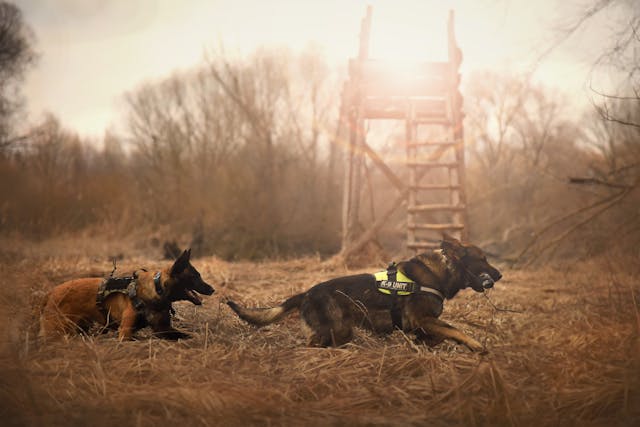
Service dogs who brace, retrieve, open doors, or provide balance support put daily stress on joints and soft tissue. That can mean ligament injuries, early arthritis, or subtle limps that show up after what seemed like a completely normal day.
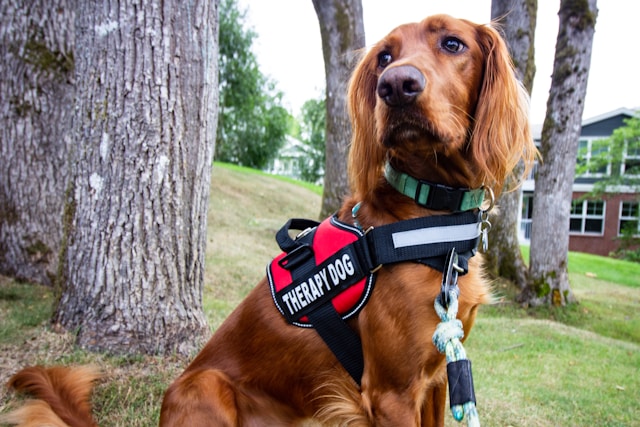
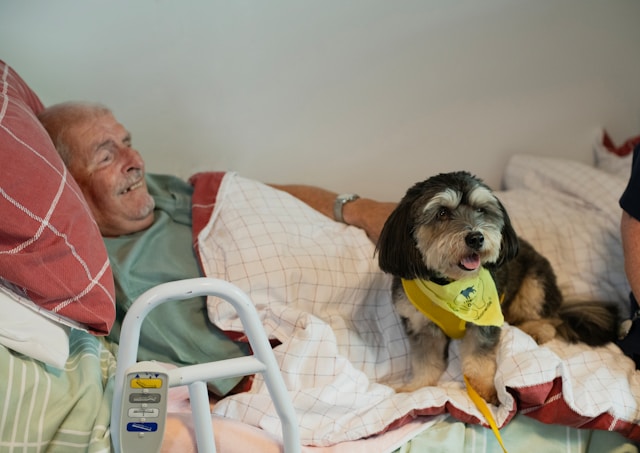
Therapy dogs face different kinds of risks: hospitals, schools, airports, nursing homes, more hands reaching at once, more germs floating around, more unpredictability than your average afternoon walk, a paw stepped on in a crowded hallway, a tail pulled by a well meaning toddler, even a stress related stomach issue after a long day of visits.
All of these risks can add up to a sudden vet visit and a hefty medical bill.
Emergency Costs Hit Harder When Your Dog is Essential
When your dog is your teammate, emergency care is not optional.
A torn cruciate ligament can cost several thousand dollars. So can surgery for a swallowed foreign object. Yes, even highly trained working dogs can chew a remote or grab something off the counter when you turn your back for five seconds.
With pet insurance for working dogs, the goal is not panic prevention, it’s decision freedom. You can move forward with diagnostics, surgery, or specialist referrals without standing in the exam room doing mental math.
And when your independence or livelihood depends on that dog, that matters.
Liability is Separate From Health Coverage
If you work through therapy organizations like Pet Partners or Alliance of Therapy Dogs, you may already carry liability coverage. But that is not the same as medical insurance. Pet insurance for working dogs focuses on veterinary care for accidents, illnesses, diagnostics, medications, surgery, and sometimes rehabilitation.
If your dog was trained through a program such as Canine Companions, review your agreement carefully. Some programs offer limited health support early on, but long-term veterinary costs are often your responsibility.
Reading that fine print now may feel boring, but reading it during a crisis feels awful.
What to Look for in Pet Insurance for Working Dogs
If you are actively shopping for pet insurance for working dogs, here are the details that actually matter:
Accident and illness coverage: Illness is just as disruptive as injury.
Orthopedic coverage: Especially important for mobility support dogs and large breeds.
Rehabilitation benefits: Physical therapy, hydrotherapy, laser therapy. These are often what get a working dog safely back to task.
Annual limits that make sense: Active dogs sometimes generate higher vet bills simply because they are doing more.
Reasonable waiting periods: A long orthopedic waiting period can become a problem quickly.
Also, understand pre-existing condition exclusions. If your dog has already been treated for hip dysplasia or chronic ear infections, those may not be covered. That is not meant to scare you. It just means earlier enrollment tends to offer broader protection.
The Emotional Reality
When a working dog is sidelined, it is not just a pet on crate rest. It’s your routine unraveling, your independence shifting, and your job getting complicated. The quiet fear that your partner is hurting and you cannot fix it fast enough.
Pet insurance for working dogs does not prevent injuries, but it removes one layer of stress. You focus on recovery instead of invoices, and you make decisions based on medical need, not just cost.
And that changes the entire experience.
If your dog works for you every single day, protecting their health is part of protecting your own stability. Take a few minutes to explore pet insurance for working dogs that fits the way your dog lives and works. It is one of those steady, practical choices that brings real peace of mind, so you can both keep showing up with confidence.
Find & Compare the Top Pet Insurance Companies
Get Quotes for Your Dog
Disclaimer
The information contained on this blog is intended for informational and educational purposes only and should not be construed as medical advice. It is not a substitute for professional veterinary care. Always consult with your veterinarian before making any changes to your pet's health care or treatment plan.
The authors of this blog are not veterinarians and do not claim to be experts in pet health. The information provided here is based on our own experiences and research, as well as information from reputable sources. However, we cannot guarantee the accuracy or completeness of this information.
We encourage you to do your own research and consult with your veterinarian before making any decisions about your pet's health.
Charitable Giving
With every pet insurance policy we generate, we do our bit to help less fortunate animals across Canada and the U.S. by making a donation to one of our chosen animal charities or rescue centres.
Compare top pet insurance providers plans.
Popular Articles
-
![Dog Personalities | 20 Dog Breeds & What Personality You Can Expect]() Dog Personalities | 20 Dog Breeds & What Personality You Can Expect
Dog Personalities | 20 Dog Breeds & What Personality You Can Expect
-
![Pitbull Weight and Growth Chart: Male, Female, and Puppy Growing Patterns]() Pitbull Weight and Growth Chart: Male, Female, and Puppy Growing Patterns
Pitbull Weight and Growth Chart: Male, Female, and Puppy Growing Patterns
-
![Beagle Weight and Growth Chart]() Beagle Weight and Growth Chart
Beagle Weight and Growth Chart
-
![Labrador Retriever Weight and Growth Chart: Male, Female and Puppy Growing Patterns]() Labrador Retriever Weight and Growth Chart: Male, Female and Puppy Growing Patterns
Labrador Retriever Weight and Growth Chart: Male, Female and Puppy Growing Patterns
-
![Shih Tzu Growth and Weight Chart]() Shih Tzu Growth and Weight Chart
Shih Tzu Growth and Weight Chart
-
![Cane Corso Weight and Growth Chart]() Cane Corso Weight and Growth Chart
Cane Corso Weight and Growth Chart



Enter your dog’s age in years and months to calculate their age equivalent to human years.
Calculate your dog’s ageEnter your cat’s age in years and months to calculate their age equivalent to human years.
Calculate your cat’s age