
Pet Behavior Changes That Signal Health Issues
Posted: 07/28/2025 | BY: Jenna Bruce | Categories: Behavior , Cat , Dog , Health problems
Most of us know our pets better than anyone. So when something changes, even slightly, our gut tells us something’s not quite right. Pet behavior changes that signal health issues often start out subtle. A quiet shift in energy. A new habit that doesn’t fit. A sudden burst of anxious pacing or a loss of interest in toys they used to love. These aren’t just quirks. They can be your pet’s way of asking for help.
As loving pet parents, we want to stay one step ahead. That’s why knowing which behavior changes to watch for can make all the difference in catching health concerns early, when they’re easiest to treat.
Let’s take a closer look at the most common behavior shifts that might be signaling something deeper.

1. Sudden Aggression or Irritability
If your normally sweet and gentle pet starts growling, hissing, snapping, or avoiding touch, it might not be a behavioral issue at all. Pain is one of the biggest reasons pets lash out. Conditions like arthritis, dental disease, or undiagnosed injuries can turn even the most affectionate pet defensive.
Dogs might become snappy around other animals or children. Cats may swat or bite when being petted in places they usually enjoy. If this sounds familiar, it’s time to look beneath the surface.
2. Withdrawal and Hiding
A pet that suddenly hides under the bed all day or avoids interaction might be feeling unwell. Cats especially are notorious for concealing discomfort. In the wild, showing weakness could make them vulnerable, so they often mask their symptoms until things get serious.
If your pet is normally social and starts keeping to themselves, pay attention. Withdrawal is one of the most overlooked pet behavior changes that signal health issues.
3. Changes in Eating or Drinking Habits
Has your pet suddenly stopped eating their food, or are they scarfing it down like never before? Either can be a red flag. Loss of appetite can signal dental problems, gastrointestinal upset, or even something more serious like kidney or liver disease. An increased appetite might suggest diabetes, thyroid issues, or medication side effects.
The same goes for water. Drinking more than usual or barely touching their bowl can both point to medical issues that warrant a vet visit.

4. Restlessness or Pacing
Restlessness can look like anxious energy at first, but it’s often your pet’s way of trying to get comfortable. If your dog can’t seem to settle or your cat keeps shifting positions, it could be pain, nausea, or discomfort from an internal issue.
Nighttime restlessness is especially important to note. Dogs with cognitive dysfunction (similar to dementia in humans) or pets with certain organ issues may seem unsettled during the night hours.
5. Litter Box or Potty Behavior Changes
If your house-trained dog starts having accidents or your cat stops using the litter box, it’s easy to assume it’s behavioral. But more often than not, these are pet behavior changes that signal health issues like urinary tract infections, kidney disease, or even arthritis that makes squatting painful.
Don’t scold your pet. They’re likely trying to tell you something.
6. Unusual Vocalization
Has your pet started barking more, whining, yowling, or meowing in ways that seem out of character? This could be their version of saying “I’m not okay.”
Older pets especially may become more vocal when they feel confused, anxious, or uncomfortable. And pain can sometimes trigger constant vocalizing, especially in conditions like pancreatitis or dental disease.
7. Excessive Grooming or Licking
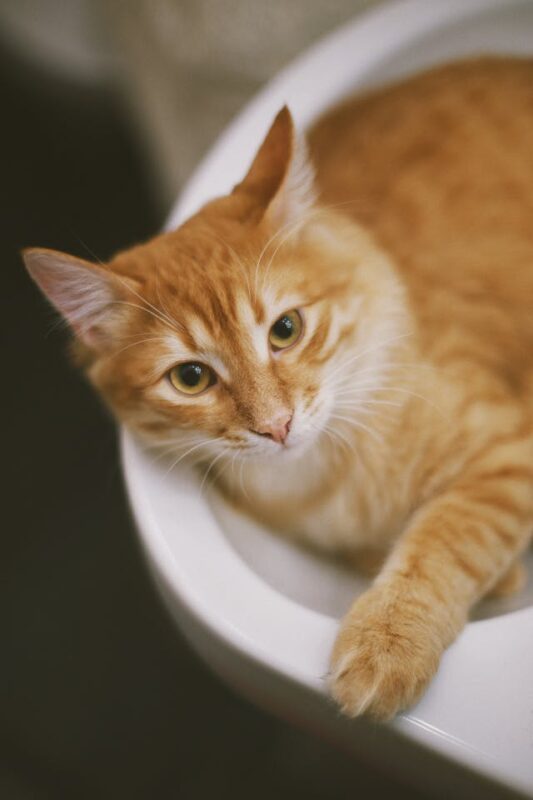
It might seem harmless when your dog licks their paw or your cat spends hours grooming. But when it becomes obsessive or focused on a specific area, it could indicate allergies, pain, skin infections, or even anxiety.
If you notice bald spots, redness, or open sores from too much licking or scratching, it’s time to call your vet.
8. Changes in Energy or Movement
Has your typically bouncy dog become lethargic? Does your cat no longer leap onto their favorite windowsill? A drop in energy can mean anything from arthritis to heart disease. On the flip side, excessive hyperactivity or zoomies in an older pet might indicate anxiety, cognitive changes, or metabolic conditions like hyperthyroidism.
Watching for shifts in how your pet moves through the day gives you valuable insight into how they’re feeling.
How to Know When It’s Time to Act
Every pet has off days, just like we do. But if a behavior change lasts longer than 24 to 48 hours, seems to be getting worse, or just doesn’t feel right, don’t wait. Trust your instincts. You know your pet better than anyone.
Start by documenting what you’re seeing. Keep track of any new symptoms, when they started, and what else has changed such as diet, environment, stress levels. Then make an appointment with your vet to get to the root of the issue.
Early intervention is the key to better outcomes and often less expensive treatment. That’s where pet insurance comes in.

Why Pet Insurance Matters When Something Seems “Off”
One of the hardest parts of being a pet parent is worrying about how to cover unexpected vet bills. When your dog starts acting oddly or your cat stops eating, your first instinct might be to “wait and see” because you’re afraid of the cost.
Pet insurance gives you the freedom to act quickly without hesitation. It covers many of the diagnostics, treatments, and specialist visits that might be needed to find out what’s going on. Some plans even include behavioral evaluations and chronic condition management.
When your pet is giving you signs that something’s wrong, insurance means you don’t have to second-guess whether you can afford the visit. You can focus on what matters most – getting them the care they need.
The Bottom Line
Pet behavioral changes are often the first clue that your pet’s health is shifting. Paying close attention to those subtle signals can help you catch illness early, ease discomfort, and improve your pet’s quality of life.
So next time your furry friend starts acting a little different, don’t brush it off. It might not just be a quirky phase. It could be one of those pet behavior changes that signal health issues, and your early response could make all the difference.
And if you’re not already covered by pet insurance, now is the time to explore your options. Because when it comes to your pet’s health, peace of mind is priceless.
Find & Compare the Top Pet Insurance Companies
Get Quotes for Your Dog
References:
- https://urgentpetcare.com/how-do-changes-in-your-pets-behavior-predict-a-possible-emergency/
- https://westervillepets.com/is-your-pet-acting-differently-when-behavioral-changes-signal-a-problem/
- https://www.alvinanimalclinic.com/blog/understanding-your-pets-behavior-when-its-a-health-issue-and-when-its-not
Disclaimer
The information contained on this blog is intended for informational and educational purposes only and should not be construed as medical advice. It is not a substitute for professional veterinary care. Always consult with your veterinarian before making any changes to your pet's health care or treatment plan.
The authors of this blog are not veterinarians and do not claim to be experts in pet health. The information provided here is based on our own experiences and research, as well as information from reputable sources. However, we cannot guarantee the accuracy or completeness of this information.
We encourage you to do your own research and consult with your veterinarian before making any decisions about your pet's health.
Charitable Giving
With every pet insurance policy we generate, we do our bit to help less fortunate animals across Canada and the U.S. by making a donation to one of our chosen animal charities or rescue centres.
Compare top pet insurance providers plans.
Popular Articles
-
![Dog Personalities | 20 Dog Breeds & What Personality You Can Expect]() Dog Personalities | 20 Dog Breeds & What Personality You Can Expect
Dog Personalities | 20 Dog Breeds & What Personality You Can Expect
-
![Pitbull Weight and Growth Chart: Male, Female, and Puppy Growing Patterns]() Pitbull Weight and Growth Chart: Male, Female, and Puppy Growing Patterns
Pitbull Weight and Growth Chart: Male, Female, and Puppy Growing Patterns
-
![Beagle Weight and Growth Chart]() Beagle Weight and Growth Chart
Beagle Weight and Growth Chart
-
![Labrador Retriever Weight and Growth Chart: Male, Female and Puppy Growing Patterns]() Labrador Retriever Weight and Growth Chart: Male, Female and Puppy Growing Patterns
Labrador Retriever Weight and Growth Chart: Male, Female and Puppy Growing Patterns
-
![Shih Tzu Growth and Weight Chart]() Shih Tzu Growth and Weight Chart
Shih Tzu Growth and Weight Chart
-
![Cane Corso Weight and Growth Chart]() Cane Corso Weight and Growth Chart
Cane Corso Weight and Growth Chart




Enter your dog’s age in years and months to calculate their age equivalent to human years.
Calculate your dog’s ageEnter your cat’s age in years and months to calculate their age equivalent to human years.
Calculate your cat’s age