
Hanging Tongue Syndrome in Dogs: Causes, Care, and Treatment
Posted: 09/02/2025 | BY: Jenna Bruce | Categories: Dog , Health problems , Pet care
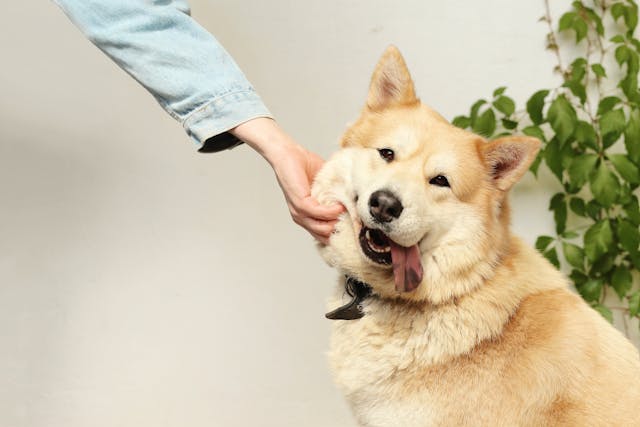
If you’ve ever looked over at your dog and noticed their tongue hanging out like a goofy little flag, you know how adorable it can be. Some pups just love to let it dangle while they nap, play, or beg for belly rubs. But what if that tongue never seems to go back inside? That’s when we start talking about hanging tongue syndrome in dogs.
In many cases, it’s simply a harmless quirk that makes your dog unique. Other times, it can be a sign of dental problems, breed-related anatomy, or even medical issues. As a pet parent, it’s important to know the difference so you can keep your furry friend comfortable and healthy.

What Is Hanging Tongue Syndrome in Dogs?
Hanging tongue syndrome in dogs happens when a dog’s tongue sticks out constantly, even when their mouth is closed. Unlike panting, where the tongue comes out temporarily to cool the body, this condition is ongoing. Some dogs are born with it, while others develop it later in life due to dental or health changes.
The good news? Most of the time, it’s more of a cosmetic issue than a health concern. The challenge is making sure it doesn’t lead to problems like dryness, cracks, or infection.
How Pet Parents Usually Notice It
You might first notice your dog’s tongue peeking out when they’re relaxed or sleeping. At first, it seems cute. But over time, you realize it’s always there—whether your pup is eating, walking, or just staring at you with those big puppy eyes. Some dogs even develop a signature “blep,” where just the tip of the tongue sticks out, adding to their cuteness factor.
It’s often during grooming, tooth brushing, or vet visits that owners realize the tongue isn’t just out—it’s out permanently.
Common Causes of Hanging Tongue Syndrome in Dogs
Dental Issues and Tooth Loss
Dogs with missing teeth, especially the lower front ones, lose the support structure that normally keeps the tongue in place. Without those teeth, the tongue simply slides forward. Periodontal disease, common in small breeds, is one of the biggest culprits.
Breed Traits and Facial Anatomy
Some dogs are just born to be tongue-danglers. Flat-faced breeds like Pugs, Bulldogs, and Shih Tzus have shorter snouts and smaller mouths, leaving less room for the tongue to rest comfortably. Dogs with underbites or unusually small jaws are also at higher risk.

Neurological Causes
Nerve damage or neurological disorders can affect how dogs control their muscles, including those in the mouth. While rare, this type of cause is usually accompanied by other symptoms, like drooping on one side of the face or difficulty swallowing.
Injury or Trauma
Accidents, injuries, or surgeries involving the jaw or tongue can result in permanent changes. For example, if a dog has part of their jaw removed due to cancer, their tongue may hang out more frequently.
Genetics and Age
Some dogs simply inherit the trait and live with it their entire lives without any issues. Older dogs may also experience looser jaw muscles or increased dental problems, which can contribute to tongue protrusion over time.
Is Hanging Tongue Syndrome Dangerous?
Most of the time, it’s not. Many dogs live long, happy lives with their tongues hanging out. However, there are potential risks:
- Dryness and Cracking: A constantly exposed tongue can become dry, leading to painful cracks.
- Infections: Cuts or irritation can allow bacteria to enter, causing infection.
- Difficulty Eating: Some dogs may struggle to pick up food or chew properly.
- Temperature Sensitivity: Tongues can get sunburned in summer and frostbitten in winter.
Keeping an eye out for these complications ensures you catch any problems before they become serious.
How to Help Your Dog Live Comfortably
Keep Them Hydrated
Make sure your dog always has access to fresh water. Hydration helps prevent dryness and keeps the tongue healthy.

Moisturize When Needed
If the tongue looks cracked or dry, ask your vet about a safe balm or moisturizer designed for dogs.
Watch the Weather
Protect your pup from extreme heat or cold. Indoors, a humidifier can help in dry climates. Outdoors, avoid leaving them in direct sunlight for long stretches and bundle them up in freezing temps.
Adjust Their Diet if Necessary
If chewing becomes tough, switch to softer food or add water to kibble. This makes eating more comfortable and reduces stress on the jaw.
Stay on Top of Dental Care
Brushing your dog’s teeth, providing dental chews, and scheduling professional cleanings are some of the best ways to keep their mouth healthy and supportive.
Preventing Problems Before They Start
Not every case of hanging tongue syndrome can be prevented, but you can reduce the risk. Early dental care is key – start brushing your dog’s teeth when they’re young and keep up with regular vet checkups. Choosing breeders who prioritize health over appearance also helps reduce the chance of exaggerated features that contribute to tongue problems.
Quality of Life for Dogs with Hanging Tongue Syndrome
The most important thing to remember is that many dogs adapt just fine. They don’t see their hanging tongue as a problem – it’s just part of who they are. With a little extra attention to their comfort, most pups live perfectly happy lives, charming everyone with their silly, lopsided smiles.
When to Call the Vet
Contact your vet if you notice sudden changes in your dog’s tongue, such as discoloration, swelling, bleeding, or sores. If your pup has trouble eating, swallowing, or seems to be in pain, it’s definitely time for a check-up.
Final Thoughts
Hanging tongue syndrome in dogs is often harmless and simply part of their unique personality. But staying aware of potential issues like dryness, infections, or dental problems ensures your pup stays happy and comfortable.
Since health surprises can happen at any time, it’s also worth thinking about pet insurance. Having coverage gives you peace of mind that you’ll be able to handle vet bills if your dog ever needs treatment for dental disease, injuries, or other conditions. That way, you can focus on what matters most – enjoying life with your tongue-wagging best friend.
Give your pup the care and protection they deserve. Explore pet insurance today and make sure your dog is covered, no matter what comes their way.
Find & Compare the Top Pet Insurance Companies
Get Quotes for Your Dog
References:
- https://ngdc.cncb.ac.cn/idog/dogph/disease/getDiseaseDetailById.action?diseaseId=143
- https://dogtime.com/dog-health/50849-reasons-your-dogs-tongue-sticks-out
- https://www.thedodo.com/close-to-home/dog-with-tongue-out-of-mouth
Disclaimer
The information contained on this blog is intended for informational and educational purposes only and should not be construed as medical advice. It is not a substitute for professional veterinary care. Always consult with your veterinarian before making any changes to your pet's health care or treatment plan.
The authors of this blog are not veterinarians and do not claim to be experts in pet health. The information provided here is based on our own experiences and research, as well as information from reputable sources. However, we cannot guarantee the accuracy or completeness of this information.
We encourage you to do your own research and consult with your veterinarian before making any decisions about your pet's health.
Charitable Giving
With every pet insurance policy we generate, we do our bit to help less fortunate animals across Canada and the U.S. by making a donation to one of our chosen animal charities or rescue centres.
Compare top pet insurance providers plans.
Popular Articles
-
![Dog Personalities | 20 Dog Breeds & What Personality You Can Expect]() Dog Personalities | 20 Dog Breeds & What Personality You Can Expect
Dog Personalities | 20 Dog Breeds & What Personality You Can Expect
-
![Pitbull Weight and Growth Chart: Male, Female, and Puppy Growing Patterns]() Pitbull Weight and Growth Chart: Male, Female, and Puppy Growing Patterns
Pitbull Weight and Growth Chart: Male, Female, and Puppy Growing Patterns
-
![Beagle Weight and Growth Chart]() Beagle Weight and Growth Chart
Beagle Weight and Growth Chart
-
![Labrador Retriever Weight and Growth Chart: Male, Female and Puppy Growing Patterns]() Labrador Retriever Weight and Growth Chart: Male, Female and Puppy Growing Patterns
Labrador Retriever Weight and Growth Chart: Male, Female and Puppy Growing Patterns
-
![Shih Tzu Growth and Weight Chart]() Shih Tzu Growth and Weight Chart
Shih Tzu Growth and Weight Chart
-
![Cane Corso Weight and Growth Chart]() Cane Corso Weight and Growth Chart
Cane Corso Weight and Growth Chart





Enter your dog’s age in years and months to calculate their age equivalent to human years.
Calculate your dog’s ageEnter your cat’s age in years and months to calculate their age equivalent to human years.
Calculate your cat’s age