
Customizable Pet Insurance: What Build-Your-Own Coverage Really Looks Like
Posted: 04/10/2026 | BY: Jenna Bruce | Categories: Cat , Consumer , Dog , Pet care
There’s a very specific kind of stress that hits when your pet does something weird and you don’t know if it’s “keep an eye on it” weird or “get in the car right now” weird. Maybe it’s the limp that shows up after a nap and disappears by dinner. Or the time your cat throws up, seems totally fine, then does it again two days later like nothing happened. This is usually when people start looking into customizable pet insurance, even if they didn’t think they needed it before.
Because it’s not just about having coverage anymore. It’s about having something that actually fits how you care for your pet, your budget, and the kinds of “what if” situations that keep you up at night. Flexible pet insurance plans and build-your-own coverage options are starting to feel less like extras and more like must-haves.

It’s not just “do you have insurance?” anymore
Pet insurance used to feel pretty straightforward. You picked a plan, paid your monthly premium, and hoped it would help when something big happened. Now, pet insurance coverage options are starting to look a lot more like choices you actually get to make.
You’ll see things like:
- picking your deductible
- adjusting your reimbursement percentage
- adding or skipping a wellness plan
- choosing what kinds of treatments you want covered
At first glance, it can feel like a lot to sort through. But if you’ve ever stood at the vet’s front desk doing quiet math in your head, trying to figure out what you can afford on the spot, this kind of flexibility starts to feel less overwhelming and more… necessary.
Flexible deductibles: choosing your “comfort zone”
A deductible is the amount you pay out of pocket before your insurance starts reimbursing you. Simple in theory but a little more personal in practice. With customizable pet insurance, you usually get to choose that number.
A lower deductible means you’ll pay less when something happens, but your monthly premium will be higher. A higher deductible lowers your monthly cost, but you take on more of the upfront expense if your pet needs care. This is where your real life matters more than any recommendation.
If your dog has a history of eating things that are absolutely not food (we’re talking to YOU Goldendoodle parents!), a lower deductible might give you more peace of mind. If your pet is generally healthy and you’re mostly worried about a true emergency, a higher deductible might feel like a reasonable trade-off.
There isn’t a “smartest” option here. Just the one you won’t regret when you’re tired, worried, and trying to make a quick decision.

Add-on wellness plans: the “everyday stuff” question
When people start comparing flexible pet insurance plans, this is usually where they pause.
Wellness add-ons are designed to help with routine care:
- annual exams
- vaccines
- flea, tick, and heartworm prevention
- sometimes dental cleanings
The real question is not whether they sound useful and something you’ll actually use.
If you’re already consistent with yearly vet visits and preventive care, adding this to your customizable pet insurance plan can make those predictable costs feel more manageable.
If you tend to go in only when something feels off, you might not get the same value. There’s no right answer here. Just an honest look at how things usually go in your house.
Personalized coverage tiers: planning for your “what if”
This is one of the more important pet insurance coverage options to think through, even if it feels a little abstract at first. Most plans let you choose how much of a bill gets reimbursed. You’ll usually see options like 70%, 80%, or 90%. It doesn’t feel like a big difference until you picture a real situation.
If your pet needs a procedure that costs a few thousand dollars, the gap between 70% and 90% suddenly matters. A lot. But higher reimbursement levels usually come with higher monthly premiums, which is where the balancing act comes in.
When you build your own pet insurance plan, you’re deciding how much of that future “what if” you want to carry on your own and how much you’d rather hand off.
Some people are comfortable taking on more risk to keep monthly costs lower. Others would rather pay more each month and know they’re more covered if something happens. Both are valid. It just depends on what helps you feel steady, not stretched.

This is really about control
When people talk about customizable pet insurance, it can sound like it’s all about features and options. But most of the time, it’s really about control, not whether your pet will ever get sick or hurt. That part is always a little unpredictable.
It’s the difference between scrambling in the moment, trying to figure out what you can afford, and already having a plan that reflects your choices. And if you’ve ever sat in a vet’s office feeling that quiet pressure to decide quickly, you know how much that matters.
A quick reality check most people don’t talk about
You don’t need to build the perfect plan. When you start comparing pet insurance coverage options, it’s easy to feel like you’re supposed to optimize everything. The exact right deductible, the exact right reimbursement level, the exact right add-ons.
Most people don’t get it perfect, they choose a customizable pet insurance plan that fits their budget, covers the situations they’re most worried about, and adjust later if they need to. Because things change. Your pet gets older, your financial situation shifts, and the things you worry about now might not be the same a year from now.
The goal isn’t perfection, it’s being less caught off guard.
So what should you actually do with all these options?
If all these flexible pet insurance plans are starting to blur together, try this instead of overthinking every detail: think about the last time you worried about your pet.
What was happening?
Was it an emergency?
A weird symptom that came and went?
A routine visit that ended up costing more than you expected?
That moment tells you more about how to build your own pet insurance plan than any side-by-side comparison ever will. (Although, once you determine the coverage you need, side-by-side comparisons can definitely help you find the provider who offers what it is you’re looking for.)
If emergencies are your biggest concern, focus your coverage there.
If it’s the steady, predictable costs that add up, take a closer look at wellness options.
If it’s a mix of both, aim for balance and accept that no plan is going to cover everything perfectly.
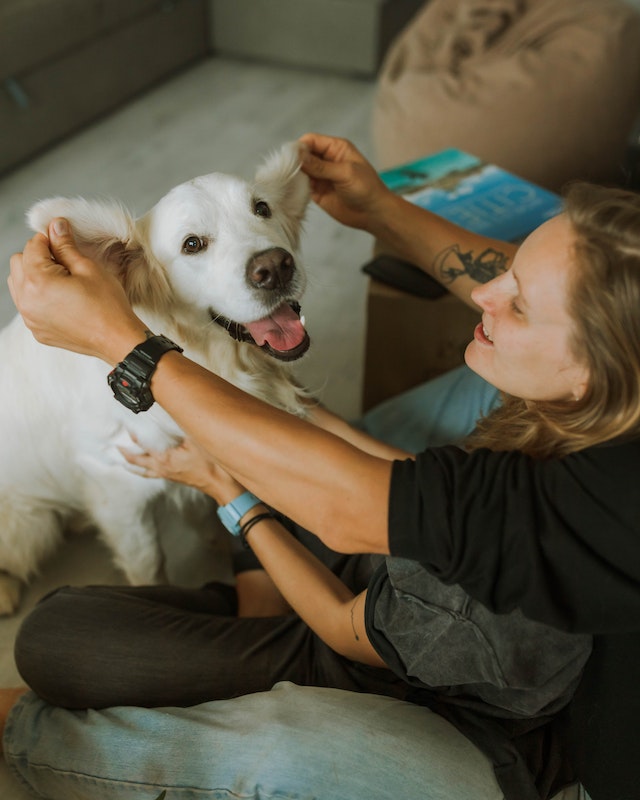
Where insurance fits into all of this
Pet insurance isn’t about expecting the worst, it’s about giving yourself a little more room to think clearly when something unexpected happens. Customizable pet insurance just makes that feel more realistic, because it lets you shape coverage around your actual life instead of squeezing into something rigid. You’re not just checking a box, you’re building something that supports the way you already show up for your pet.
And if you’ve ever had one of those moments where you’re not sure what to do next, having that kind of backup can make things feel a little less heavy.
Thinking of insuring your pet?
Get Quotes & Compare
Disclaimer
The information contained on this blog is intended for informational and educational purposes only and should not be construed as medical advice. It is not a substitute for professional veterinary care. Always consult with your veterinarian before making any changes to your pet's health care or treatment plan.
The authors of this blog are not veterinarians and do not claim to be experts in pet health. The information provided here is based on our own experiences and research, as well as information from reputable sources. However, we cannot guarantee the accuracy or completeness of this information.
We encourage you to do your own research and consult with your veterinarian before making any decisions about your pet's health.
Charitable Giving
With every pet insurance policy we generate, we do our bit to help less fortunate animals across Canada and the U.S. by making a donation to one of our chosen animal charities or rescue centres.
Compare top pet insurance providers plans.
Popular Articles
-
![Dog Personalities | 20 Dog Breeds & What Personality You Can Expect]() Dog Personalities | 20 Dog Breeds & What Personality You Can Expect
Dog Personalities | 20 Dog Breeds & What Personality You Can Expect
-
![Pitbull Weight and Growth Chart: Male, Female, and Puppy Growing Patterns]() Pitbull Weight and Growth Chart: Male, Female, and Puppy Growing Patterns
Pitbull Weight and Growth Chart: Male, Female, and Puppy Growing Patterns
-
![Beagle Weight and Growth Chart]() Beagle Weight and Growth Chart
Beagle Weight and Growth Chart
-
![Labrador Retriever Weight and Growth Chart: Male, Female and Puppy Growing Patterns]() Labrador Retriever Weight and Growth Chart: Male, Female and Puppy Growing Patterns
Labrador Retriever Weight and Growth Chart: Male, Female and Puppy Growing Patterns
-
![Shih Tzu Growth and Weight Chart]() Shih Tzu Growth and Weight Chart
Shih Tzu Growth and Weight Chart
-
![Cane Corso Weight and Growth Chart]() Cane Corso Weight and Growth Chart
Cane Corso Weight and Growth Chart

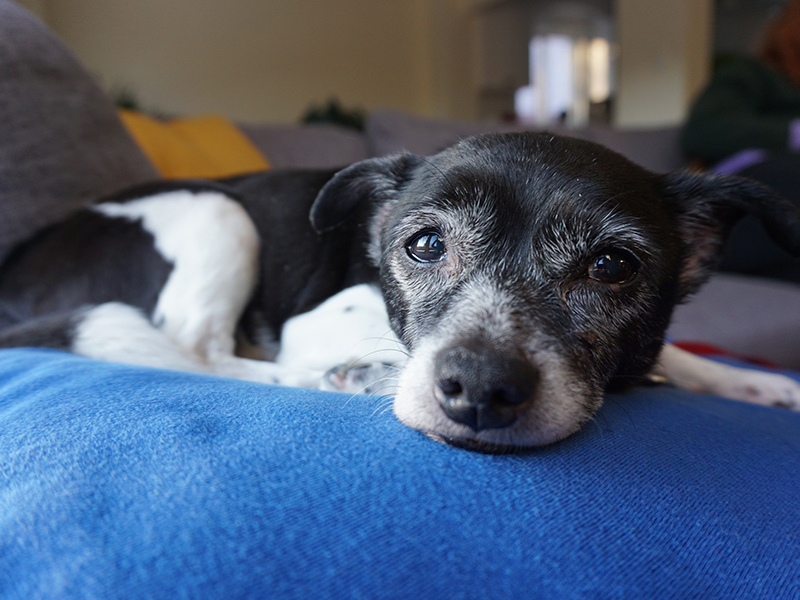



Enter your dog’s age in years and months to calculate their age equivalent to human years.
Calculate your dog’s ageEnter your cat’s age in years and months to calculate their age equivalent to human years.
Calculate your cat’s age