
Can Dogs Eat Eggs?
Posted: 09/08/2025 | BY: Jenna Bruce | Categories: Dog , Pet care , Top Tips
Eggs are one of the most versatile foods on the planet. They can be scrambled, boiled, baked into recipes, or enjoyed all on their own. Beyond being delicious, eggs are celebrated for being a superfood, offering a rich source of protein, healthy fats, and essential vitamins. But here’s the big question many pet parents ask: can dogs eat eggs?
The answer is yes! Eggs, when given properly, can be a safe and nutritious snack for your pup. Let’s crack into the details and see why eggs might be one of the healthiest treats you can add to your dog’s diet.

What Makes Eggs So… Eggsellent?
One of the unique nutrients found in eggs is a type of fat called phospholipids. These compounds play a key role in keeping cell membranes healthy and functioning properly. Research suggests phospholipids may help reduce inflammation and even support brain development. In studies on animals, diets enriched with egg phospholipids improved brain chemicals related to memory and learning. For dogs, this could mean stronger cognitive health and better long-term wellness.
Eye-Friendly Nutrients: Lutein and Zeaxanthin
Egg yolks also contain lutein and zeaxanthin, two antioxidants best known for supporting eye health. These compounds collect in the retina and help protect against damage from blue light and oxidative stress. Animal studies suggest that lutein and zeaxanthin may help with age-related vision problems such as cataracts or retinal degeneration.
Interestingly, lutein doesn’t just benefit eyesight. Research has shown that it may boost immune function in dogs, helping them build stronger defenses against illness.
Choline for the Brain and Body
Eggs are also one of the best sources of choline, a nutrient that supports healthy brain, heart, and liver function. Choline is especially important for active dogs who need stamina and endurance, like sled dogs or working breeds. Studies also suggest that regular choline intake may lower the risk of cognitive decline in older dogs.
Eggs Are Packed with Amino Acids
Eggs contain all 10 essential amino acids that dogs need but cannot produce on their own. Amino acids are the building blocks of protein, which means they’re critical for muscle health, tissue repair, and countless metabolic processes. Because eggs are such a high-quality protein source, they’re often considered one of the most complete foods available — for both people and pets!
Quality Matters: Why Pasture-Raised is Best
Not all eggs are created equal. While our dogs’ ancestors happily ate eggs from wild nests, today’s commercial eggs often come from large-scale operations where chickens live in poor conditions. Conventional eggs may not provide the same nutrient profile as those from pasture-raised hens.
Pasture-raised eggs tend to contain more omega-3 fatty acids, which are excellent for your dog’s coat, skin, and joint health. They also avoid the ethical and environmental issues linked to factory farming. If you want the best option for both your pup and the planet, look for pasture-raised and organic eggs whenever possible.
How to Safely Serve Eggs to Your Dog
Eggs are simple to prepare and can be offered in several safe ways:
- Raw or lightly cooked: Some pet parents feed raw eggs, while others prefer lightly cooked eggs to make nutrients easier to digest. If the thought of raw eggs makes you nervous, don’t worry – dogs are built with naturally strong stomach acid that helps neutralize common pathogens like Salmonella. In fact, many pups happily enjoy raw eggs without any issues. Just be sure you’re offering fresh, good-quality eggs and handling them with care, so you can feel confident about giving your dog this wholesome treat.
- Soft-boiled: This method keeps the yolk runny enough to preserve nutrients while cooking the whites. Just simmer an egg for about six to seven minutes.
- Scrambled (plain): A simple scramble without oil, butter, or seasoning can make a tasty snack or kibble topper.
One thing to remember: eggs should always be served plain. Avoid salt, butter, or spices, which can upset your dog’s stomach.

What About Biotin Deficiency?
You might have heard that egg whites contain avidin, a protein that can bind to biotin (a B vitamin) and cause a deficiency. While this is technically true, biotin deficiency from eggs is extremely rare, especially if your dog eats a balanced diet. Cooking the egg whites makes biotin even more accessible, so you really don’t need to worry.
Don’t Overdo It
As healthy as eggs are, moderation is key. Eggs should make up less than 10 percent of your dog’s daily calories. Too many eggs could cause weight gain or digestive issues. Think of eggs as a nutritious treat rather than a meal replacement.
Celebrating the Egg
Did you know there’s even a World Egg Day? Every year on the second Friday of October, people in over 100 countries celebrate the egg for its incredible impact on nutrition and culture. It’s safe to say that both humans and pets have benefited from this little powerhouse food for centuries.
The Bottom Line: Can Dogs Eat Eggs?
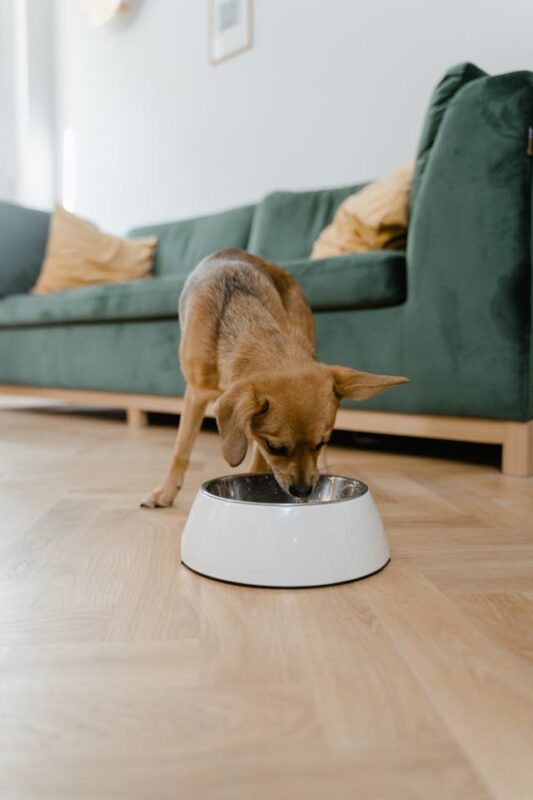
Yes, dogs can eat eggs, and in fact, they can thrive with this nutritious food in their diet. Eggs are an excellent source of protein, amino acids, healthy fats, and important nutrients like choline, lutein, and zeaxanthin. When served properly and in moderation, they’re one of the best snacks you can offer your pup.
Protect Your Dog with Pet Insurance
Even though eggs are safe and healthy, accidents can happen when pets get into foods they shouldn’t or eat too much of a good thing. Veterinary visits can be stressful and costly, which is why pet insurance is such a valuable safety net. It helps you handle unexpected medical bills so you can focus on what matters most – your dog’s health and happiness.
So next time you crack an egg for breakfast, feel free to share a little with your fur baby. And for extra peace of mind, consider signing up for pet insurance today. It’s one of the best ways to keep your pup protected for all of life’s surprises.
Find & Compare the Top Pet Insurance Companies
Get Quotes for Your Dog
References:
- Zhijie Bao, Penglin Zhang, Jin Chen, Jie Gao, Songyi Lin, Na Sun, Egg yolk phospholipids reverse scopolamine–induced spatial memory deficits in mice by attenuating cholinergic damage, Journal of Functional Foods, Volume 69, 2020, 103948, ISSN 1756-4646, https://doi.org/10.1016/j.jff.2020.103948. (https://www.sciencedirect.com/science/article/pii/S1756464620301729)
- Xue C, Rosen R, Jordan A, Hu DN. Management of Ocular Diseases Using Lutein and Zeaxanthin: What Have We Learned from Experimental Animal Studies? J Ophthalmol. 2015;2015:523027. doi: 10.1155/2015/523027. Epub 2015 Nov 5. PMID: 26617995; PMCID: PMC4651639.
- Kim HW, Chew BP, Wong TS, Park JS, Weng BB, Byrne KM, Hayek MG, Reinhart GA. Dietary lutein stimulates immune response in the canine. Vet Immunol Immunopathol. 2000 May 23;74(3-4):315-27. doi: 10.1016/s0165-2427(00)00180-x. PMID: 10802297.
Disclaimer
The information contained on this blog is intended for informational and educational purposes only and should not be construed as medical advice. It is not a substitute for professional veterinary care. Always consult with your veterinarian before making any changes to your pet's health care or treatment plan.
The authors of this blog are not veterinarians and do not claim to be experts in pet health. The information provided here is based on our own experiences and research, as well as information from reputable sources. However, we cannot guarantee the accuracy or completeness of this information.
We encourage you to do your own research and consult with your veterinarian before making any decisions about your pet's health.
Charitable Giving
With every pet insurance policy we generate, we do our bit to help less fortunate animals across Canada and the U.S. by making a donation to one of our chosen animal charities or rescue centres.

Compare top pet insurance providers plans.
Popular Articles
-
![Dog Personalities | 20 Dog Breeds & What Personality You Can Expect]() Dog Personalities | 20 Dog Breeds & What Personality You Can Expect
Dog Personalities | 20 Dog Breeds & What Personality You Can Expect
-
![Pitbull Weight and Growth Chart: Male, Female, and Puppy Growing Patterns]() Pitbull Weight and Growth Chart: Male, Female, and Puppy Growing Patterns
Pitbull Weight and Growth Chart: Male, Female, and Puppy Growing Patterns
-
![Beagle Weight and Growth Chart]() Beagle Weight and Growth Chart
Beagle Weight and Growth Chart
-
![Labrador Retriever Weight and Growth Chart: Male, Female and Puppy Growing Patterns]() Labrador Retriever Weight and Growth Chart: Male, Female and Puppy Growing Patterns
Labrador Retriever Weight and Growth Chart: Male, Female and Puppy Growing Patterns
-
![Shih Tzu Growth and Weight Chart]() Shih Tzu Growth and Weight Chart
Shih Tzu Growth and Weight Chart
-
![Cane Corso Weight and Growth Chart]() Cane Corso Weight and Growth Chart
Cane Corso Weight and Growth Chart





Enter your dog’s age in years and months to calculate their age equivalent to human years.
Calculate your dog’s ageEnter your cat’s age in years and months to calculate their age equivalent to human years.
Calculate your cat’s age