
Anti-Inflammatory Diets for Senior Pets: Supporting Joint and Organ Health
Posted: 12/01/2025 | BY: Jenna Bruce | Categories: Cat , Dog , Pet care
As pets age, their nutritional needs change. Just like humans, older dogs and cats can develop inflammation that affects joints, organs, and overall comfort. Anti-inflammatory diets for senior pets can help pet parents support their fur babies’ overall health. By choosing the right foods, you can help reduce chronic inflammation, improve mobility, and support vital organ function, keeping your pet active and comfortable for longer.

Why Fighting Inflammation Matters
Inflammation is a natural response by the body to injury or infection. While short-term inflammation is normal, chronic inflammation can lead to a range of health problems in senior pets. Common issues include joint stiffness, arthritis, kidney strain, heart stress, and digestive disturbances. Older pets are especially susceptible, and subtle changes in behavior, mobility, or appetite can be early warning signs.
Anti-inflammatory diets for senior pets target these problems by including nutrients that support joint health, regulate immune function, and reduce oxidative stress. These diets can also help maintain a healthy weight, which further reduces strain on joints and organs.
Key Ingredients for Anti-Inflammatory Diets
Certain foods and nutrients have been shown to help combat inflammation in pets. Here are some of the most important ones:
- Omega-3 Fatty Acids: Found in fish oil and flaxseed, omega-3s help reduce joint inflammation and support heart and kidney health.
- Antioxidants: Vitamins C and E, as well as compounds like lutein and beta-carotene, help combat oxidative stress that can damage cells and organs.
- High-Quality Protein: Lean, easily digestible protein sources support muscle maintenance without overloading the kidneys.
- Fiber: Ingredients like pumpkin and beet pulp support digestive health and can regulate inflammation in the gut.
- Glucosamine and Chondroitin: These supplements support cartilage health and can ease arthritis-related discomfort.
When combined thoughtfully, these ingredients form the backbone of anti-inflammatory diets for senior pets that address both joint and organ health.
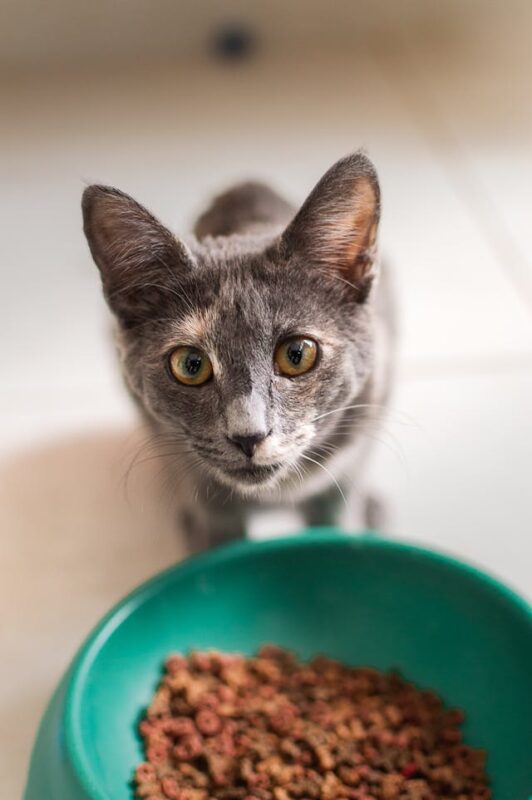
Choosing the Right Diet
Not all commercial pet foods are created equal, especially when it comes to anti-inflammatory properties. Here are some tips for selecting the right diet:
- Look for veterinary-formulated diets: Brands that create senior-specific foods often include clinically proven levels of omega-3s, antioxidants, and joint-support nutrients.
- Check ingredient quality: Avoid fillers, by-products, and artificial additives that can contribute to inflammation.
- Consider your pet’s health conditions: If your pet has kidney, liver, or heart issues, choose a diet formulated to support those organs while still reducing inflammation.
- Consult your veterinarian: Your vet can help you tailor an anti-inflammatory diet to your pet’s individual needs, taking into account weight, breed, and existing conditions.
Homemade diets are also an option, but they require careful planning to ensure balanced nutrition. If you choose this route, work with a veterinary nutritionist to avoid nutrient deficiencies.
Benefits Beyond Joint Health
While joint support is often the main goal, an anti-inflammatory diet provides a range of additional benefits.
- Heart Health: Omega-3 fatty acids and antioxidants support cardiovascular function.
- Kidney and Liver Support: High-quality protein and reduced inflammatory compounds reduce strain on vital organs.
- Weight Management: Many anti-inflammatory diets are lower in calories and higher in fiber, helping pets maintain a healthy weight and reducing joint stress.
- Digestive Health: Ingredients that support gut health can improve nutrient absorption and overall comfort.
- Enhanced Energy and Comfort: Reduced inflammation often translates into better mobility, improved mood, and higher energy levels.
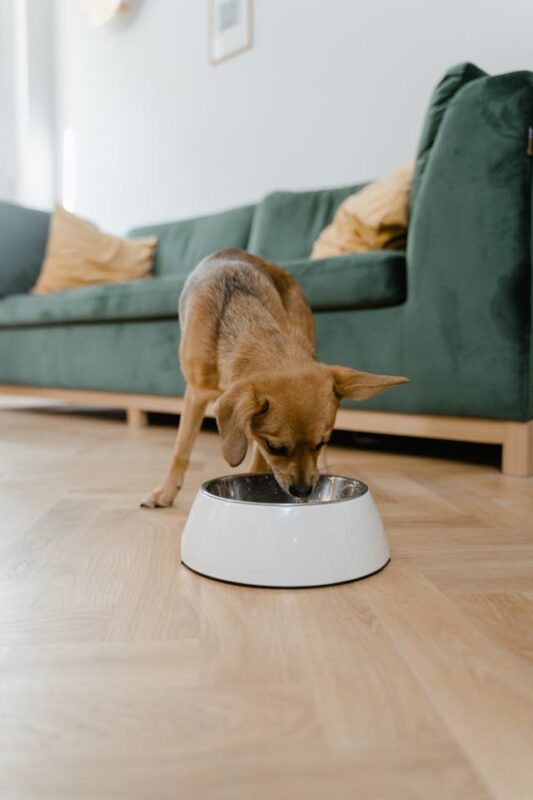
Practical Tips for Transitioning to an Anti-Inflammatory Diet
Switching your senior pet to a new diet should be done gradually to prevent digestive upset. Here are some practical steps:
- Introduce slowly: Mix increasing amounts of the new food with the current diet over 7-10 days.
- Observe your pet: Watch for changes in appetite, stool quality, and energy levels.
- Monitor weight: Keep track of your pet’s weight weekly to ensure they are maintaining a healthy range.
- Supplement wisely: If your veterinarian recommends additional supplements, introduce them one at a time and follow dosage instructions carefully.
- Stay consistent: Anti-inflammatory benefits often take weeks to show, so maintain the diet consistently and monitor long-term results.
Integrating Lifestyle Practices
An anti-inflammatory diet is most effective when combined with other lifestyle measures:
- Regular exercise: Low-impact activities like walking or swimming support joint mobility and weight management.
- Comfortable resting areas: Soft bedding and ramps help reduce joint stress.
- Routine veterinary care: Regular checkups ensure any underlying health issues are identified early.
Combining diet, exercise, and routine vet visits provides a comprehensive approach to healthy aging.

Final Thoughts
Anti-inflammatory diets for senior pets are powerful tools for supporting joint health, organ function, and overall well-being. By focusing on high-quality ingredients, nutrients that reduce inflammation, and a balanced approach tailored to your pet, you can improve mobility, comfort, and quality of life. Combined with lifestyle measures and regular veterinary care, these diets help your pet stay active, happy, and healthy for as long as possible.
And while you are investing in your pet’s nutrition and comfort, unexpected health issues can still arise. Pet insurance helps cover the cost of veterinary care, including treatments that support joint and organ health, so you can focus on giving your pet the best care without worrying about expenses.
Thinking of insuring your pet?
Get Quotes & Compare
References:
- https://pmc.ncbi.nlm.nih.gov/articles/PMC9447376/
- https://www.vet.cornell.edu/departments-centers-and-institutes/riney-canine-health-center/canine-health-information/inflammatory-bowel-disease-and-home-prepared-diet
- https://www.petmd.com/dog/nutrition/5-disease-fighting-foods-your-dog
Disclaimer
The information contained on this blog is intended for informational and educational purposes only and should not be construed as medical advice. It is not a substitute for professional veterinary care. Always consult with your veterinarian before making any changes to your pet's health care or treatment plan.
The authors of this blog are not veterinarians and do not claim to be experts in pet health. The information provided here is based on our own experiences and research, as well as information from reputable sources. However, we cannot guarantee the accuracy or completeness of this information.
We encourage you to do your own research and consult with your veterinarian before making any decisions about your pet's health.
Charitable Giving
With every pet insurance policy we generate, we do our bit to help less fortunate animals across Canada and the U.S. by making a donation to one of our chosen animal charities or rescue centres.

Compare top pet insurance providers plans.
Popular Articles
-
![Dog Personalities | 20 Dog Breeds & What Personality You Can Expect]() Dog Personalities | 20 Dog Breeds & What Personality You Can Expect
Dog Personalities | 20 Dog Breeds & What Personality You Can Expect
-
![Pitbull Weight and Growth Chart: Male, Female, and Puppy Growing Patterns]() Pitbull Weight and Growth Chart: Male, Female, and Puppy Growing Patterns
Pitbull Weight and Growth Chart: Male, Female, and Puppy Growing Patterns
-
![Beagle Weight and Growth Chart]() Beagle Weight and Growth Chart
Beagle Weight and Growth Chart
-
![Labrador Retriever Weight and Growth Chart: Male, Female and Puppy Growing Patterns]() Labrador Retriever Weight and Growth Chart: Male, Female and Puppy Growing Patterns
Labrador Retriever Weight and Growth Chart: Male, Female and Puppy Growing Patterns
-
![Shih Tzu Growth and Weight Chart]() Shih Tzu Growth and Weight Chart
Shih Tzu Growth and Weight Chart
-
![Cane Corso Weight and Growth Chart]() Cane Corso Weight and Growth Chart
Cane Corso Weight and Growth Chart





Enter your dog’s age in years and months to calculate their age equivalent to human years.
Calculate your dog’s ageEnter your cat’s age in years and months to calculate their age equivalent to human years.
Calculate your cat’s age