
Common Orange Tabby Cat Health Issues
Posted: 07/17/2024 | BY: Jenna Bruce | Categories: Cat , Health problems , Pet care
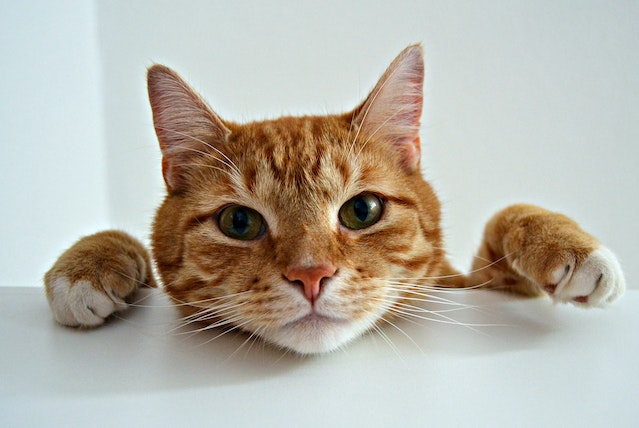
If you’ve ever met an orange tabby cat, you most likely made a fast friend. Sweet, spirited and curious, tabby cats are the epitome of feline friendly. If you are the pet parent of one of these fur babies, you may be wondering if there are any specific orange tabby cat health issues you should be aware of.
The truth is, tabby cats are not a separate feline species but simply differentiated from other cats on the basis of their skin coat patterns. Tabby cats are known for their unique dots, stripes and swirly patterns, which look particularly pretty against orange fur. But since they are not their own distinct species, we can’t speak of health issues specific to orange tabby cats. Instead, we should take a look at common health issues most domestic cats are at risk of developing.
7 Common Domestic Cat Health Issues
Tabby cats, which are really a variety of regular domestic cats, do suffer from a variety of health issues. Luckily, if caught in time, most of these conditions can be treated and managed easily.
Worms
Many cats, especially those who started life on the streets, can have worms at some point in their life. The worms that are most commonly found in cats are roundworms, hookworms and tapeworms.
One of the biggest signs your cat may have worms is seeing odd white flecks in their poop. If those flecks are moving, bring your kitty in to see the vet. Weight Loss is also another indicator your fur baby may have worms, as is scooching on the carpet.
Luckily worms can be treated with medication. It’s important that your veterinarian tests to be certain of which kind of worm you are dealing with as medications are formulated to kill specific species.
Obesity
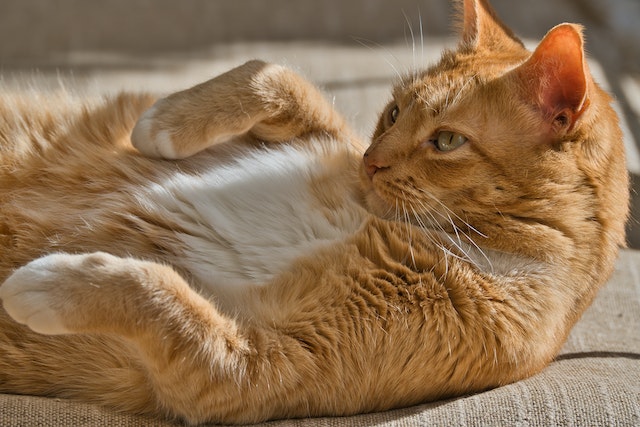
The tabby cat is no stranger to overeating. It’s never a good idea to leave a bowl of dry food down and let your kitty eat all throughout the day. Doing so is wishing for your cat to become obese. Pet parents need to ensure they are feeding their tabbies a sensible diet that provides the right nutrients. If you need, speak with your vet about how much food your cat should have each day and follow those guidelines to a T.
Diabetes
Like humans, cats can also develop diabetes when their insulin level is unable to control their glucose levels. Male cats tend to be more prone to developing diabetes and diet plays a big role. Another reason why you should take precautions against an obese cat.
Should a cat be diagnosed with diabetes they will need to be treated with insulin shots. Best to keep your cat trim and fit to avoid going down this road.
Conjunctivitis
The main cause of conjunctivitis, which is inflammation of the eye membranes, is a Herpes virus infection. Many cats, especially those born on the streets, are infected with this virus and, as a result, will suffer with chronic eye issues. The best way to treat and hopefully prevent these issues is by giving your cat an amino acid called l-lysine. Speak to your vet about dosage.
Kidney Disease
One of the most common health issues that develops in older cats is kidney disease. Increased thirst, weight loss and peeing outside of the litter box are the main signs your fur baby may have something going on with her kidneys.
The good news is that if caught early, your cat can live quite a few more years with this disease. You will most likely have to give her fluids a few times a week and feed a special diet, but her quality of life can be very good if the disease is managed well.
Upper Respiratory Infections
Upper respiratory infections are incredibly common in cats, particularly in those homes with multiple cats. 80-90% are caused by viruses, and the Herpes virus is another culprit here.
The following are the most common symptoms of an upper respiratory infection:
- Runny nose
- Sneezing
- Congestion
- Red eyes
- Fever
- Lethargy
- Lack of appetite
- Mouth ulcers
You really want to keep an eye on your cat should she show any signs of this infection. As with humans, and how a slight common cold can suddenly develop into a serious case of pneumonia, the same can happen to our cats, especially older cats or those dealing with other chronic health issues. If symptoms progress, take your baby into the vet pronto.
Constipation
And finally, constipation is very common in cats. Constipation can be caused by a variety of thighs such as:
- Sudden changes to the diet
- Dehydration
- Colon issues (such as feline megacolon)
- Kidney issues
- Hairballs in the GI tract
If you notice your cat struggling in the litter box, it may be a sign she is having a hard time going. This isn’t an issue to take lightly, so be sure to make an appointment with your vet. In some cases constipation can be easily remedied by switching to a wet food diet, getting your cat to drink more and brushing your cat to remedy hairballs. In other cases, as with megacolon, your cat will need to take daily medication to help pass stool.

Pet Insurance Can Help with Orange Tabby Cat Health Issues
We want to think our fur babies will stay young and healthy forever. But at some point in their life, they will most likely either develop a chronic illness, or experience a sudden and unexpected accident or illness. Should this happen, are you financially prepared to pay for their treatment?
A pet health insurance plan allows you to give your cat the best care possible without going into debt to do it. Premiums can start as low as $12 a month and you can find policies that offer reimbursement of up to 90% of the vet bills!
Take a couple of minutes to get a free customized quote from some of the top providers in the country.
References:
- https://pets.webmd.com/cats/6-most-common-cat-health-problems “6 Most Common Cat Health Problems”
- https://www.aspca.org/pet-care/cat-care/common-cat-diseases “Common Cat Diseases”
- https://www.thedodo.com/dodowell/cat-health-problems “Here Are 9 Of The Most Common Cat Health Problems”
Frequently Asked Questions
What are common health issues for orange tabby cats?
Orange tabby cats are not a separate species, so they face the same health issues as other domestic cats. Common problems include worms, obesity, diabetes, conjunctivitis, kidney disease, upper respiratory infections, and constipation.
How can I tell if my cat has worms?
Signs that your cat may have worms include seeing odd white flecks in their poop, weight loss, and scooching on the carpet. If you notice these symptoms, it's important to take your cat to the vet for testing and treatment.
What should I feed my orange tabby to prevent obesity?
To prevent obesity in your orange tabby, avoid leaving a bowl of dry food out all day. Instead, provide a balanced diet with the right nutrients and consult your vet for specific feeding guidelines.
What are the symptoms of diabetes in cats?
Symptoms of diabetes in cats include increased thirst, frequent urination, weight loss, and lethargy. Male cats are more prone to diabetes, and maintaining a healthy weight can help prevent it.
How can I treat my cat's upper respiratory infection?
If your cat shows symptoms of an upper respiratory infection, such as a runny nose or sneezing, monitor her closely. If symptoms worsen, take her to the vet, as some infections can lead to more serious conditions.
How can pet insurance help with health issues common in orange tabby cats?
Pet insurance can assist with the costs of treating common health issues in cats, such as diabetes, kidney disease, and infections. Policies may cover a significant portion of veterinary bills, allowing you to provide necessary care without financial strain. Compare free quotes to see your actual number.
Disclaimer
The information contained on this blog is intended for informational and educational purposes only and should not be construed as medical advice. It is not a substitute for professional veterinary care. Always consult with your veterinarian before making any changes to your pet's health care or treatment plan.
The authors of this blog are not veterinarians and do not claim to be experts in pet health. The information provided here is based on our own experiences and research, as well as information from reputable sources. However, we cannot guarantee the accuracy or completeness of this information.
We encourage you to do your own research and consult with your veterinarian before making any decisions about your pet's health.
Charitable Giving
With every pet insurance policy we generate, we do our bit to help less fortunate animals across Canada and the U.S. by making a donation to one of our chosen animal charities or rescue centres.

Compare top pet insurance providers plans.
Popular Articles
-
![Dog Personalities | 20 Dog Breeds & What Personality You Can Expect]() Dog Personalities | 20 Dog Breeds & What Personality You Can Expect
Dog Personalities | 20 Dog Breeds & What Personality You Can Expect
-
![Pitbull Weight and Growth Chart: Male, Female, and Puppy Growing Patterns]() Pitbull Weight and Growth Chart: Male, Female, and Puppy Growing Patterns
Pitbull Weight and Growth Chart: Male, Female, and Puppy Growing Patterns
-
![Beagle Weight and Growth Chart]() Beagle Weight and Growth Chart
Beagle Weight and Growth Chart
-
![Labrador Retriever Weight and Growth Chart: Male, Female and Puppy Growing Patterns]() Labrador Retriever Weight and Growth Chart: Male, Female and Puppy Growing Patterns
Labrador Retriever Weight and Growth Chart: Male, Female and Puppy Growing Patterns
-
![Shih Tzu Growth and Weight Chart]() Shih Tzu Growth and Weight Chart
Shih Tzu Growth and Weight Chart
-
![Cane Corso Weight and Growth Chart]() Cane Corso Weight and Growth Chart
Cane Corso Weight and Growth Chart





Enter your dog’s age in years and months to calculate their age equivalent to human years.
Calculate your dog’s ageEnter your cat’s age in years and months to calculate their age equivalent to human years.
Calculate your cat’s age